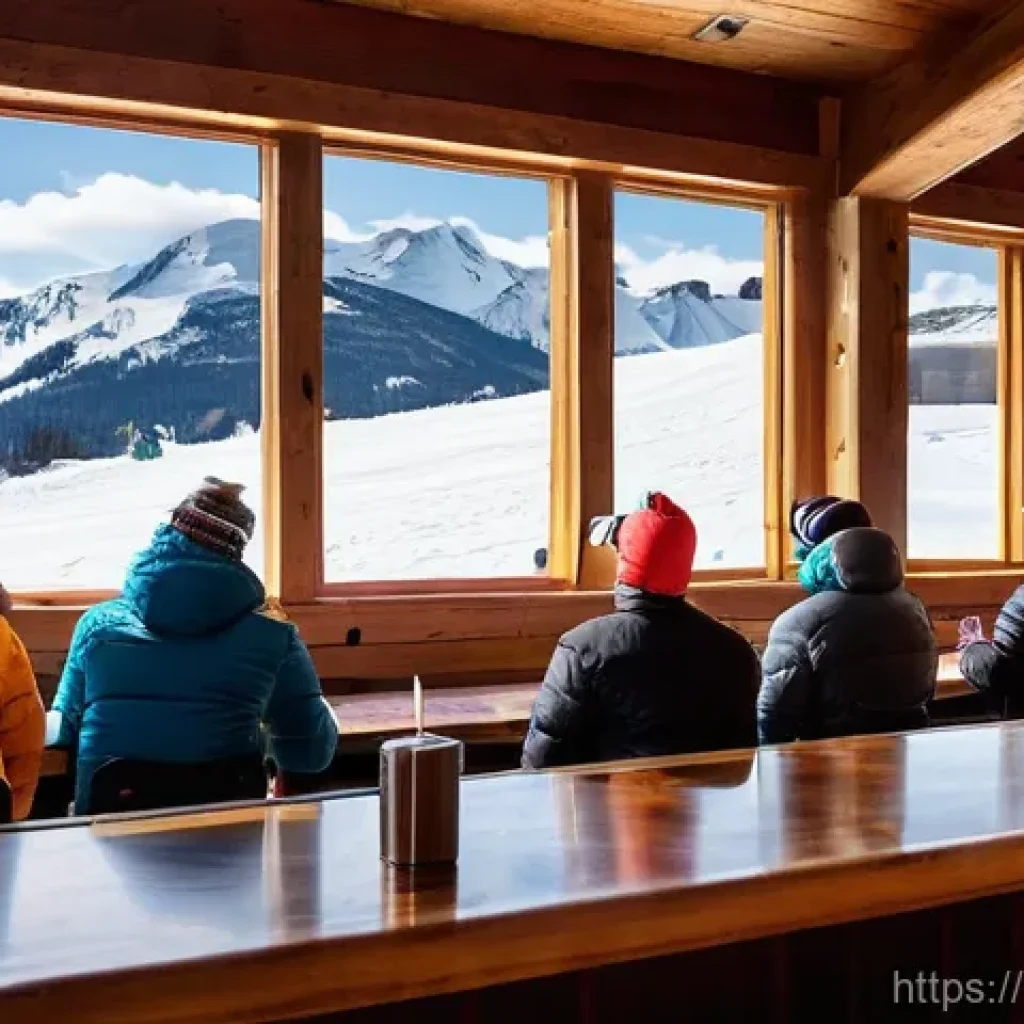
Hey there, fellow snow lovers! We all dream of carving fresh powder and soaking in those breathtaking mountain views. But let’s be honest, after a few exhilarating runs, that rumbling in your stomach quickly becomes a top priority.
I’ve spent countless seasons exploring various resorts, and I’ve noticed one consistent trend: the cost of a simple burger or a comforting bowl of chili can sometimes feel as steep as the black diamond run you just conquered.
It makes you wonder, are we paying for the food, or for the priceless view from the cafeteria? If you’ve ever felt that pinch, or simply want to budget smarter for your next ski trip, you’re definitely in the right place.
Let’s get into the nitty-gritty and find out exactly what you can expect to pay for your on-mountain sustenance!
The Shocking Reality of On-Mountain Dining: A Personal Wake-Up Call
First-Hand Sticker Shock Experiences
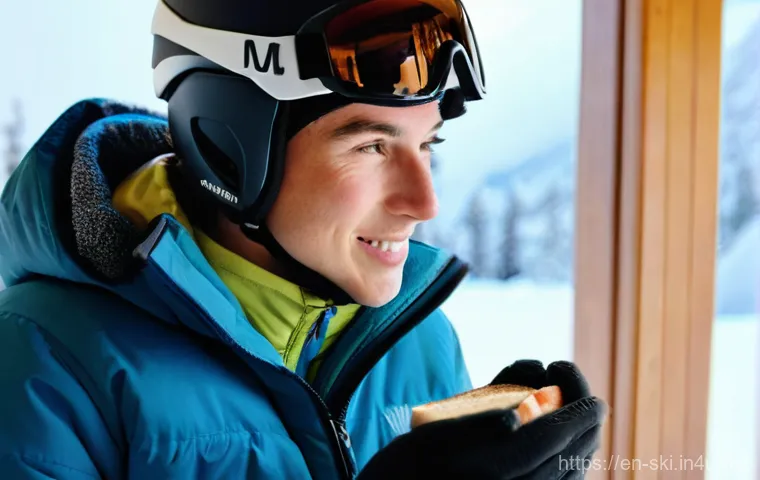
Oh, believe me, I’ve been there. My first eye-opening moment was at a resort in Colorado, let’s just say it rhymes with “Fail.” After an incredible morning ripping down the slopes, my stomach was roaring louder than the snowmobiles.
I popped into a mid-mountain lodge, dreaming of a hearty burger and fries. The menu board practically slapped me in the face: a single cheeseburger, no fancy trimmings, was nearly twenty bucks!
Add a soda and a bag of chips, and suddenly, I was looking at a thirty-dollar lunch for one. My jaw almost hit the floor, right alongside the discarded French fries.
It made me seriously rethink my entire approach to eating on ski trips. I mean, I love a good view, but is a twenty-dollar burger really justified by a panoramic vista of fresh powder?
It’s not just about the cost, it’s about the value, and that day, I felt like I was getting a raw deal. This wasn’t an isolated incident; I’ve seen similar pricing at resorts across Utah and even up in British Columbia.
It’s a universal resort phenomenon, and once you’re aware of it, you can’t unsee it.
Why Resort Food Costs So Much: Beyond the View
It’s easy to blame the “resort premium,” but there’s a bit more to it than just gouging tourists. Think about the logistics involved in getting fresh ingredients up a mountain, often to remote lodges accessible only by snowcat or gondola.
The labor costs are higher, too; staffing a kitchen in a challenging, seasonal environment isn’t cheap. Plus, many resorts operate concessions through third-party vendors, adding another layer of profit margins.
Then there’s the captive audience factor – once you’re halfway up the mountain, your options are pretty limited. They know you’re hungry, and you’re probably not going to ski all the way back to the base lodge just to save a few bucks on a hot dog.
I’ve heard resort managers justify it by saying they offer a convenience, a unique dining experience, but for us, the consumers, it often just feels like paying for the air we breathe at altitude.
Understanding these underlying factors doesn’t make the price tag any smaller, but it helps put it into perspective, even if that perspective is still “ouch!”
Navigating the Lunchtime Labyrinth: Strategies for Savvy Skiers
Embracing the Bag Lunch Revolution
This is, hands down, my favorite money-saving hack. I can’t tell you how many times I’ve seen fellow skiers eyeing my perfectly packed sandwich with envy.
Most resorts have lockers, and many allow you to bring your own food into the base lodges or designated picnic areas. My personal routine involves a quick stop at a local grocery store on the way into town.
I stock up on sturdy sandwiches, wraps, fruit, energy bars, and a thermos of hot cocoa or soup. It notens only saves a ton of money but also saves precious time; no waiting in long lines when you could be out on the slopes!
Plus, there’s something incredibly satisfying about enjoying a meal you prepared yourself, knowing exactly what’s in it, and enjoying it without the rush of a busy cafeteria.
I often pack a little treat too, like a small bag of cookies, which always feels like a luxury when you’re sitting in a warm lodge, watching the snow fall outside.
It truly enhances the whole experience without breaking the bank.
The Strategic Snack Attack and Hydration Playbook
Don’t underestimate the power of strategic snacking. A few well-placed granola bars, a handful of nuts, or some dried fruit tucked into your jacket pocket can be a lifesaver, both for your energy levels and your wallet.
That mid-morning slump often hits hard, and instead of splurging on an overpriced pastry, a quick, homemade snack keeps you going. Hydration is also key, and paying five dollars for a bottle of water is just painful.
I always carry a reusable water bottle and fill it up at the resort’s water fountains. Many lodges have them, and it’s a simple, free way to stay hydrated throughout the day.
I’ve found that by consistently having snacks and water on hand, I can often push through until the end of the day or at least delay that expensive mid-day meal, sometimes opting for just a single, more affordable item if I do decide to buy something.
It’s about being prepared and taking control of those smaller, impulse purchases that add up so quickly.
Unveiling the Hidden Gems: Unexpected Resort Dining Values
Exploring Off-Peak Dining and Local Establishments
Sometimes, the best food experiences aren’t right on the slopes. If you’re willing to venture slightly off the main thoroughfare, you can often find fantastic value.
Many resorts have smaller, less obvious cafes or grab-and-go spots tucked away that offer slightly better prices or more unique, local options than the main cafeterias.
I once discovered a small deli in the base village of a resort in Vermont that made incredible, hearty sandwiches for half the price of the on-mountain lodge.
It became my go-to spot for the rest of the trip! Even better, if you’re staying for several days, consider heading into the nearby town for dinner. Local restaurants, often frequented by resort staff, typically offer more authentic cuisine and much more reasonable prices.
It’s a great way to experience the local culture too, beyond just the ski resort bubble. Trust me, stepping away from the immediate resort confines can be incredibly rewarding, both for your taste buds and your budget.
The Art of the Après-Ski Deal
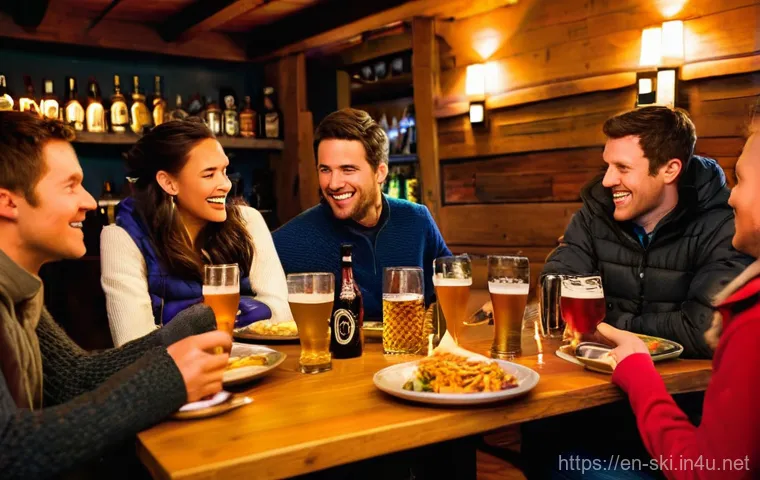
Après-ski is a sacred tradition for many, but it doesn’t have to drain your wallet. While full dinners at resort restaurants can be pricey, many bars and pubs in the base village offer fantastic happy hour deals on appetizers and drinks.
I’ve enjoyed delicious wings, loaded nachos, and discounted beers for a fraction of the cost of a formal meal. It’s a perfect way to refuel, relax, and socialize after a day on the slopes without overspending.
Plus, the atmosphere is usually buzzing, and you get to swap stories with other skiers and snowboarders. It’s all about timing; getting there right as happy hour starts can give you access to some seriously good bargains.
Look for places that advertise “early bird” specials or “apéro” menus. Some resorts even have specific happy hour apps or drinks that are surprisingly affordable.
It’s not just about the food and drink, but the entire social experience that makes après-ski so special, and finding a good deal just makes it even better.
Decoding the Menu: What to Buy (and Avoid) on the Mountain
Best Bets for Your Buck: Smart Choices on the Slopes
When you absolutely have to buy something on the mountain, make smart choices. My personal strategy is to lean towards items that offer good caloric value and aren’t overly complex to prepare.
A classic hot dog or a slice of pizza often provides a decent amount of fuel for a relatively lower price point compared to a gourmet burger or a full entree.
Chili or a hearty soup can also be excellent choices, especially on a cold day, as they’re filling and warm you up from the inside out. I’ve also found that breakfast items, if you hit the lodge early enough, can sometimes be surprisingly reasonable – a breakfast burrito or a bagel with cream cheese can sustain you for a good chunk of the morning.
It’s all about balancing cost with calorie count. Think about what gives you the most energy for the least amount of cash, and try to avoid anything that looks too “chef-prepared” or involves multiple components, as those are usually where the prices really jump.
Steering Clear of the Money Traps: Where Not to Splurge
Conversely, there are definite items on ski resort menus that are notorious for being budget-busters. Fancy coffee drinks, while tempting, are almost always significantly marked up.
If you need a caffeine fix, stick to a basic drip coffee or, better yet, bring a thermos from your accommodation. Bottled beverages, as I mentioned, are another huge money pit; that ten-ounce soda or juice can easily cost five dollars.
Desserts, too, often carry a hefty premium for what amounts to a small portion. And watch out for side dishes and extras; adding fries, a side salad, or even extra cheese can quickly inflate the cost of an already expensive meal.
I’ve learned the hard way that a few innocent add-ons can turn a moderately priced item into a budget catastrophe. My rule of thumb: if it’s small, easily replicable at home, or purely for indulgence, it’s probably overpriced.
Save those splurges for a special evening meal off the resort, where you’ll get far more value and a better experience.
The Bigger Picture: Investing in Your Ski Experience Beyond Food
Prioritizing Your Budget: Where to Allocate Your Dollars
When planning a ski trip, it’s crucial to think about your entire budget holistically. While food costs can be a pain point, they’re just one piece of the puzzle.
Lodging, lift tickets, gear rentals, and transportation often represent much larger expenses. By consciously saving on food, you free up more funds for the things that truly enhance your experience, like an extra day of skiing, a private lesson to refine your technique, or even upgrading to better equipment.
I often look at my food savings as a “bonus fund” that I can then reallocate to something else. For example, if I save $100 on lunches over a four-day trip, that’s almost enough for an extra half-day lift ticket or a nice souvenir.
It’s about being smart with your money so you can maximize the fun and minimize the financial stress. After all, we’re there to ski, not just to eat! Making these conscious budgeting decisions beforehand can really make a difference in the overall enjoyment of your trip.
Long-Term Savings: Investing in Gear and Season Passes
Thinking even further ahead, reducing your daily food expenses can contribute to larger, long-term savings that make future ski trips even more affordable.
For instance, the money saved could go towards purchasing your own ski boots, which offer incredible comfort and performance compared to rentals, or even contribute to a season pass for your local mountain.
A season pass can dramatically cut down on lift ticket costs, making frequent visits much more feasible. I remember saving up for my first season pass by meticulously packing lunches and making coffee at home; it felt like a huge accomplishment and completely transformed my winter.
It’s a mindset shift: instead of seeing every meal as an isolated transaction, view your food budget as a flexible resource that can be strategically managed to unlock bigger, better ski opportunities down the line.
It’s not just about today’s sandwich; it’s about tomorrow’s powder day, and having the resources to enjoy it to the fullest.
Beyond the Basic Bite: Specialty Offerings and Unique Experiences
Gourmet Options and Fine Dining on the Slopes
Let’s be real, sometimes you want to treat yourself, and ski resorts often have some surprisingly exquisite dining options, especially at the higher-end establishments.
While these are definitely not budget-friendly, they can offer a memorable culinary experience with incredible views. I’ve splurged a few times on a white-tablecloth lunch at a mid-mountain restaurant, and while my wallet definitely felt it, the food quality, service, and ambiance were unparalleled.
Imagine enjoying a perfectly cooked steak or a gourmet pasta dish, paired with a glass of wine, all while overlooking snow-capped peaks. These places aren’t for every day, but for a special occasion, like a birthday or an anniversary trip, they can be truly worth it.
It’s important to research these in advance, as reservations are often required, and dress codes might apply. My advice? If you’re going to spend the money, make sure it’s for an experience that genuinely elevates your trip, not just another mediocre burger.
International Flavors and Themed Eateries
One of the fun surprises I’ve encountered at larger, more diverse ski resorts is the variety of international cuisine and themed eateries. You might stumble upon a cozy European-style chalet serving authentic fondue, a vibrant Asian-fusion spot, or even a taco bar with unique flavors.
These can be a fantastic way to break up the monotony of standard cafeteria fare and add a little culinary adventure to your day. I distinctly recall finding an Italian-themed pizza place at a resort in Whistler that served some of the best wood-fired pizza I’ve ever had, even competing with some city pizzerias.
It wasn’t cheap, but the quality and uniqueness made it feel like a worthwhile treat. These specialized spots often have a more intimate atmosphere than the main lodges and can offer a more relaxed dining experience.
Keep an eye out for them, especially if you’re looking for something beyond the usual suspects; they can truly be a delightful discovery on the mountain.
Your Dollar’s Destination: An Overview of Typical Resort Food Costs
Average Prices for Common On-Mountain Items
Let’s break down what you can generally expect to shell out for those essential hunger-quenchers. This isn’t an exact science, as prices vary wildly between resorts and even within different lodges at the same mountain, but it gives you a ballpark idea.
My own observations from years of hitting various North American resorts consistently show certain trends. For example, a basic slice of pizza is almost always one of the more “affordable” hot options, while anything that involves a full plate of food or a specialty sandwich will quickly escalate.
And drinks? Prepare for those to add up faster than you can say “black diamond.” It’s definitely an area where a little foresight goes a long way.
| Food Item | Typical Price Range (USD) | Notes on Value |
|---|---|---|
| Hamburger/Cheeseburger (basic) | $18 – $28 | Often served with fries; can be filling but pricy. |
| Hot Dog/Sausage | $12 – $18 | A quicker, often slightly cheaper option; good for a quick bite. |
| Pizza Slice | $8 – $14 | One of the more economical hot meal options; vary in size. |
| Large Soup/Chili Bowl | $14 – $22 | Excellent for warming up; can be very filling. |
| French Fries (side) | $8 – $12 | Often an expensive add-on; consider sharing or skipping. |
| Bottled Water/Soda | $4 – $7 | High markup; bring your own reusable bottle for water. |
| Coffee (basic drip) | $4 – $6 | More reasonable than specialty drinks; still a daily cost. |
| Breakfast Burrito/Sandwich | $12 – $18 | Good for an early morning start; can sustain you for hours. |
The Hidden Costs: Condiments, Sides, and Upgrades
It’s not just the main items that can eat into your budget; the little things add up deceptively fast. I’ve seen resort cafes charge extra for every packet of ketchup, a dollop of sour cream on chili, or even a side of pickles.
It feels nickel-and-diming, but when you’re caught in the moment, hunger can make you overlook these small charges. Upgrading from a regular burger to a bacon cheeseburger can add five to ten dollars instantly.
Even seemingly innocuous things like a side salad instead of fries, or adding avocado to a sandwich, often come with a significant upcharge. These are the “hidden” costs that can turn a somewhat expensive meal into an astronomical one.
My personal hack is to always check the prices for these extras before ordering and to question if they’re truly worth it. More often than not, I find myself saying no to the extra cheese or the bottled juice, knowing I’m saving those dollars for something more impactful later on.
It’s all about being vigilant and conscious of every single item you add to your tray.
Wrapping Things Up
Well, fellow snow lovers, we’ve covered a lot of ground today, haven’t we? From those initial eye-watering burger prices to uncovering savvy strategies, my hope is that this deep dive into resort dining has given you a whole new perspective. It’s truly amazing how a little bit of planning and a few clever tweaks can transform your ski trip from a financial tightrope walk into a genuinely enjoyable, stress-free adventure. I’ve personally seen the impact these changes can make, not just on my wallet, but on my overall enjoyment of the mountain. Remember, skiing and snowboarding are about the exhilarating moments on the slopes, the crisp mountain air, and making incredible memories, not about stressing over every dollar spent on lunch. By being a little more mindful, you truly empower yourself to savor every moment, knowing you’ve made smart choices that support your passion for the powder without breaking the bank. Go forth, shred those slopes, and eat smart!
Handy Tips for Your Next Mountain Adventure
1. Plan Your Trip Strategically to Save Big: Seriously, this is a game-changer! My best advice is to book your lodging, lift tickets, and even rental gear as far in advance as possible. Early bird deals can shave off significant costs, sometimes hundreds of dollars, especially for multi-day passes or package deals. Also, try to aim for off-peak times, like mid-week visits or spring skiing in late March/early April; you’ll often find better deals and fewer crowds, making the whole experience much more relaxed and enjoyable.
2. Gear Up Smartly for Comfort and Safety: Don’t underestimate the power of good, functional gear. Investing in proper layers, a waterproof shell, and quality gloves or mittens can make all the difference on a cold day. I always check my gear before a trip – zippers, waterproofing, everything! If you’re renting, research local shops off-mountain for better rates than on-site resort rentals. Also, don’t forget the essentials like high SPF sunscreen and lip balm, because that mountain sun is no joke, and a muscle rub for those first-day aches!
3. Master Mountain Navigation and Etiquette: Before you even hit the slopes, take a moment to study the resort map. Knowing the main lifts, runs that match your skill level, and where the lodges are can save you valuable time and prevent getting lost. Equally important is knowing and practicing slope etiquette. Respecting other skiers and riders, staying in control, and being mindful in lift lines creates a much safer and more pleasant environment for everyone. It truly makes the mountain feel like a community.
4. Stay Hydrated and Energized Throughout the Day: It sounds simple, but staying well-hydrated is crucial at altitude and when you’re exerting yourself. Always carry a reusable water bottle and fill it up at available fountains. For snacks, I always have a few energy bars, nuts, or dried fruit tucked into my jacket. These little boosts prevent those energy slumps and keep you from making impulsive, overpriced purchases at the nearest lodge. Trust me, feeling good on the mountain is priceless, and these small habits contribute massively to that!
5. Explore Beyond the Resort Bubble for Authentic Experiences: While resort villages are convenient, sometimes the best experiences (and prices!) are found just a little further afield. Venture into nearby towns for dinner, check out smaller, local cafes for coffee, or even look for grocery stores to stock up on essentials. This not only stretches your budget but also gives you a taste of the local culture beyond the resort’s curated offerings. I’ve discovered some truly fantastic hidden gems this way!
Key Takeaways for a Smarter Ski Trip
Ultimately, making your ski vacation more affordable and enjoyable boils down to a few core principles I’ve learned over countless trips. First and foremost, planning is your superpower. Seriously, a little foresight in booking everything from lift tickets to accommodations, and even packing your own snacks and lunches, can dramatically reduce your overall spend, freeing up your budget for other enriching experiences like a lesson or that special après-ski drink. Secondly, always be on the lookout for value, whether it’s opting for a hot dog over a gourmet burger when you *do* buy on-mountain, or taking advantage of happy hour deals. It’s about being intentional with your spending, not just blindly accepting resort prices. Finally, remember that the true joy of skiing isn’t found in overpriced food, but in the thrill of the descent, the beauty of the mountains, and the camaraderie with fellow enthusiasts. By adopting these smart strategies, you’re not just saving money; you’re investing in a richer, more fulfilling mountain experience that leaves you feeling energized, not depleted, both physically and financially. Here’s to more powder days and smarter spending!
Frequently Asked Questions (FAQ) 📖
Q: Why does ski resort food always feel so pricey?
A: Oh, tell me about it! It’s a question I’ve pondered more times than I can count while staring at a $20 burger. From what I’ve gathered, and honestly, from seeing how these places operate year after year, it boils down to a few key factors.
First off, you’re paying for the convenience of being on the mountain. Imagine the logistics of getting fresh ingredients up a winding mountain road, often in snowy conditions.
It’s not like your local grocery store where deliveries are a breeze! Then there’s the short season. Resorts have a limited window to make their profits, so they have to maximize every opportunity.
Plus, let’s be real, once you’re up there, you’re a captive audience. They know you’re hungry after a few runs, and your options are pretty limited. It’s also about staffing; finding and housing workers in often remote resort towns adds another layer of expense.
So, while it stings, it’s a whole ecosystem of unique challenges that contributes to those higher price tags. It’s not just a burger; it’s a mountain burger experience!
Q: What are some of your go-to strategies for saving money on food during a ski trip?
A: This is a question close to my heart because I love my stomach and my wallet! My absolute number one tip, and truly a game-changer, is to pack your own snacks and lunch.
Seriously, a backpack isn’t just for your extra layers. I always stash some granola bars, a sandwich, a piece of fruit, and a refillable water bottle.
Most resorts have lockers or cubbies where you can leave your bag, and many offer designated picnic areas or even just benches where you can refuel. It saves a fortune compared to buying every meal on the hill.
Another trick I’ve found is to check if your lodging has a kitchen or even just a microwave. Making breakfast and sometimes dinner back at your rental can drastically cut down costs.
And if you do want to splurge, try to make it an après-ski treat off-mountain, where prices are often a little more reasonable, especially during happy hour.
Trust me, these small habits add up to big savings over a multi-day trip!
Q: Besides packing a lunch, are there any other smart alternatives to expensive on-mountain dining that you’ve discovered?
A: Absolutely! While packing a lunch is my top hack, I’ve definitely picked up a few other clever ways to keep the food budget in check without sacrificing the fun.
One thing I love to do, especially if I’m with a group, is to coordinate a grocery store run on the way into town. Stocking up on breakfast items, sandwich supplies, and easy-to-prepare dinners for your condo or hotel room with a kitchenette is a lifesaver.
Another gem is to explore the village or town at the base of the mountain. Often, there are charming local eateries, delis, or even food trucks that offer more authentic and wallet-friendly options than the resort-owned restaurants.
Sometimes, grabbing a quick, affordable slice of pizza or a burrito just a short walk or drive away can hit the spot without breaking the bank. And here’s a personal favorite: many ski towns have fantastic happy hour deals.
If you time it right, you can grab some delicious appetizers and drinks at a fraction of the cost you’d pay for a full sit-down meal, and it’s a great way to unwind after a day on the slopes!