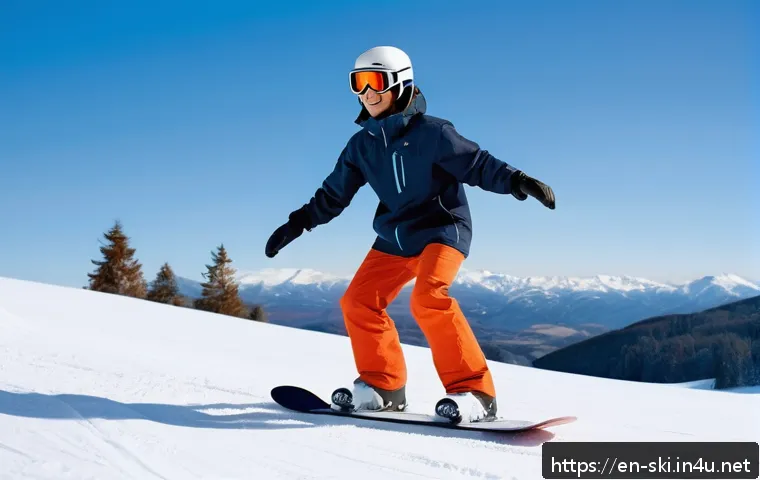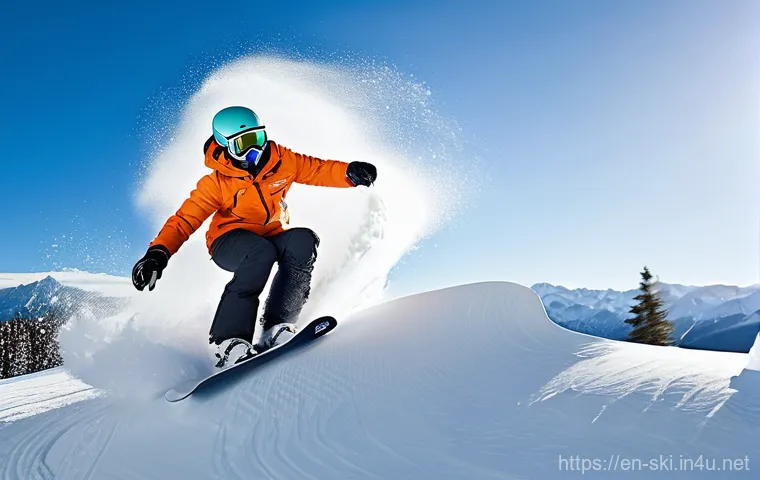
Hey everyone! Are you feeling like you’ve hit a bit of a plateau on the slopes, effortlessly linking turns but craving that extra edge to truly master the mountain?
I’ve been there, spending countless hours perfecting my carve only to wonder what comes next to truly unlock my potential. It’s incredibly rewarding to feel confident, but getting to that next level, tackling steeper terrain, or even venturing into some playful side-hits can feel like a big leap.
If you’re ready to transform those decent runs into truly dynamic and exciting descents, you’re in the perfect spot. I’m going to share some game-changing insights that will help you push past that intermediate hurdle and start shredding with newfound skill and confidence.
Let’s delve into how to truly level up your snowboarding game!
Beyond the Basic Carve: Refining Edge Control
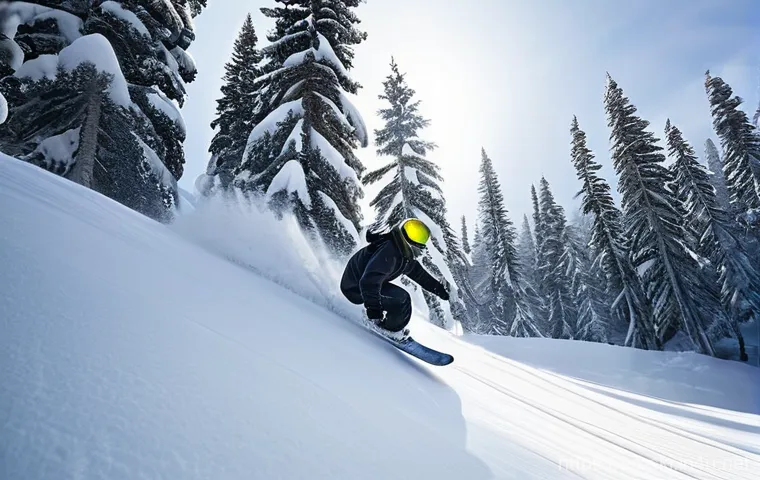
When I first started to feel comfortable linking turns, I thought I had carving down. But oh, how wrong I was! There’s a whole world of precision beyond just getting your edges to bite.
True edge control, the kind that lets you glide effortlessly on ice or slice through slush, comes from understanding the subtle shifts in your weight and the angle of your board.
I remember countless days practicing on groomers, trying to feel every millimeter of edge engagement. It wasn’t until I started focusing on my ankles and knees, really driving them into the turn, that I felt that ‘aha!’ moment.
It’s about creating that consistent, powerful pressure from your toes to your heels, making the board bend and truly carve an arc, rather than just skidding around.
This isn’t just about speed; it’s about efficiency and control, making you feel completely connected to the mountain. It dramatically changed how I approached steeper sections, turning what used to be a nerve-wracking descent into a smooth, exhilarating ride.
Don’t be afraid to experiment with different edge angles and pressures; you’ll be amazed at the nuances you can discover.
Finding Your Sweet Spot for Edge Pressure
It’s all about finding that magical balance where your board responds perfectly. Too little pressure, and you’re skidding; too much, and you’re fighting the board.
I’ve found that it often comes down to listening to your board – literally. When you hit that sweet spot, you’ll feel a smooth, almost silent glide, and the board will hold its line beautifully.
Try varying how much you lean into the turn and how aggressively you drive your knees forward. Think about how a race car driver leans into a corner, using the entire width of their tires to maintain grip.
Your snowboard edges are similar. When you’re really pushing it, you should feel a strong connection through your feet, almost as if you’re trying to snap the board in half with your body weight.
This is where the power comes from. Don’t be shy about getting low; your center of gravity plays a massive role here, allowing you to manipulate the board more effectively.
Mastering Edge Transitions
The secret to fluid, fast carving isn’t just about holding an edge, but how quickly and smoothly you can switch between them. This is where many intermediate riders plateau.
It’s not about muscling the board from one edge to the other; it’s a seamless dance. I remember one instructor telling me to think of it like rolling a barrel from side to side – a continuous, flowing motion, not a series of stops and starts.
Initiating the transition from your core, allowing your hips and shoulders to lead, helps create this momentum. As you exit one turn, don’t immediately slam into the next edge.
Instead, briefly flatten the board, or even allow it to drift slightly across the fall line, before engaging the new edge with purpose. This momentary release of pressure can actually help you load up for an even more powerful next turn, giving you that dynamic, engaging ride we all crave.
It’s a subtle art, but once you feel it, your riding will transform.
Unlocking Dynamic Turns: Speed and Style
Once you’ve got those edges dialed in, it’s time to infuse your turns with a bit more zest – speed and style. Moving beyond the basic, consistent turn means learning to vary your turn shape and radius, adapting to the terrain and your mood.
I vividly remember feeling stuck in a rut, making the same medium-radius turns every single time. It was effective, sure, but it wasn’t exciting. The breakthrough came when I realized I could *choose* how I wanted to turn, not just react to the mountain.
Want to accelerate? Shorten your turns, drive harder into the fall line. Want to bleed speed and soak up the scenery?
Widen them out, lean back slightly. This adaptability is what truly makes you a master of the mountain, able to link turns in a way that feels powerful and expressive.
It’s like finding your voice on the snow; once you have it, you can truly sing.
Harnessing Speed for Control
It might sound counterintuitive, but often, more speed can actually lead to *more* control, especially when you understand how to use it. When I was younger, I used to panic at high speeds, tensing up and skidding to slow down.
Big mistake! Speed, when managed correctly, gives your board more energy to carve, allowing the sidecut to work more effectively. Think about the centrifugal force pushing you into the turn – at higher speeds, this force is greater, allowing you to lean further and create deeper, more powerful carves.
Instead of fearing speed, learn to embrace it by staying relaxed, looking ahead, and trusting your edges. When you’re flowing with the mountain, letting the speed carry you, your turns become effortless and exhilarating.
It’s a thrilling feeling, like flying just above the snow, completely in tune with your board.
Incorporating Flow and Rhythm
Snowboarding isn’t just about a series of individual turns; it’s a continuous, rhythmic dance down the mountain. The most stylish riders I’ve ever seen have this incredible flow, where one turn melts seamlessly into the next, creating a beautiful, unbroken chain.
I often try to imagine the mountain as a giant wave and my board as a surfboard, carving up and down its face. This mental imagery helps me focus on the transitions between turns, making them smoother and more deliberate.
Don’t rush it; allow your body to absorb the energy from each turn and then release it into the next. Use your arms for balance, your head to look where you want to go, and let your body follow naturally.
When you find that rhythm, it’s not just efficient; it’s incredibly fun and feels like pure poetry in motion. This natural, unforced style is what truly distinguishes an advanced rider.
Conquering Varied Terrain: From Groomers to Glades
Stepping off the perfectly manicured groomers and into the wild, unpredictable world of varied terrain is where the real fun begins, and where you truly start to push your limits.
I used to dread anything off-piste – the bumps, the trees, the untracked powder. It felt like a completely different sport! But with a few key adjustments, I discovered that these challenging environments actually amplify the thrill of snowboarding.
My personal experience navigating my first glade run, dodging trees and bouncing over snow features, was both terrifying and utterly exhilarating. It taught me more about quick reactions and adaptability than any groomer ever could.
Don’t shy away from these challenges; they are your pathways to becoming a truly well-rounded rider. Each new type of terrain demands a slightly different approach, and mastering them all is incredibly rewarding.
Navigating Bumps and Moguls
Bumps, or moguls as some call them, can be intimidating, but they’re a fantastic way to develop quick edge changes and absorption skills. My biggest piece of advice here is to look far ahead, not directly at the bump in front of you.
Plan your line a few turns in advance, picking the path of least resistance or the one that sets you up for the next mogul. Instead of fighting the bumps, try to use their energy.
Absorb the impact by bending your knees and ankles, letting your board ride up and over, and then extend as you come down the backside of the bump, preparing for the next one.
It’s a rhythmic up-and-down motion, almost like a pogo stick. Don’t be afraid to take it slow at first, focusing on control rather than speed. As you get more comfortable, you’ll find yourself flowing through them, using them to accelerate and pop into the next turn.
Embracing Tree Runs and Glades
Tree runs, or glades, are probably my favorite challenge. The quiet, the fresh snow, the thrill of weaving through obstacles – it’s pure magic. The key here is confidence and looking *through* the trees, not *at* them.
Your body tends to follow your eyes, so if you stare at a tree, you’re more likely to hit it. Pick your line early, commit to it, and keep your gaze moving to the next opening.
Short, quick turns are your best friend here. Keep your speed in check, and be ready to make micro-adjustments with your ankles and knees. I’ve found that a slightly more upright stance, with your weight centered, gives you the agility you need.
And remember, falling in powder (which you’ll often find in glades) is usually a soft landing, so don’t be afraid to push it a little! The reward of finding that perfect line through a dense forest is unmatched.
Adding Flair: Introduction to Freestyle Fundamentals
Alright, let’s talk about adding some serious swagger to your riding. While carving is all about precision, freestyle elements are about expression and playfulness.
I remember watching park riders effortlessly hit jumps and rails and thinking, “I could never do that!” But starting small, with just a few foundational tricks, completely changed my perspective on snowboarding.
It’s not about becoming a pro; it’s about expanding your repertoire and having more fun on the mountain. Learning even basic ollies and nollies, or trying a small butter, makes your entire ride feel more dynamic and engaging.
You’ll start to see the mountain in a new light, spotting natural features to pop off or little side-hits to play around on. This addition of freestyle elements truly brings a new dimension to your overall skill set, making you a more adaptable and exciting rider.
Mastering Ollies and Nollies
These are the absolute building blocks of almost every freestyle trick, and honestly, they’re just plain fun to do even on flat ground. An ollie is essentially jumping by popping off your tail first, while a nollie uses your nose.
The trick to both is timing and loading up that energy. For an ollie, compress your body, then quickly spring up, dragging your back foot to lift the tail, and then lift your front foot to level out the board.
It’s like a jump, but you’re using the board itself to get airborne. I spent hours practicing these in the parking lot, just getting the feel of the pop.
Once you can consistently get a few inches of air, you’ll start using them to clear small bumps, hop over slow signs, or add a stylish little pop off a roller.
They feel incredibly satisfying when you nail them perfectly and open up a world of possibilities for more advanced tricks.
Basic Butters and Presses
Butters are all about playing with the flex of your board and getting it to slide on its nose or tail. They look super stylish and are surprisingly easy to learn.
The simplest way to start is on a gentle slope. Shift your weight heavily onto your front foot, lifting your back foot slightly, and let the tail drag and spin around.
Then reverse it, putting weight on your back foot and lifting the front. It’s like doing a wheelie on a bike, but sideways on your board! The key is to keep your body centered over the weighted foot and use your arms for balance.
Once you get comfortable with nose and tail butters, you can start combining them with your turns or even try a 360 butter on flat ground. They build excellent board control and make even the simplest groomer run feel like a creative canvas.
It’s a low-risk, high-reward way to add some serious flair to your riding.
Optimizing Your Setup: Gear That Elevates Your Ride
I can’t stress this enough: your gear matters. It’s not just about having the latest and greatest; it’s about having the *right* gear for your riding style and skill level.
When I first started, I rode whatever hand-me-down board I could get. It worked, but it definitely held me back. Upgrading to a board with the right flex, a comfortable pair of boots, and bindings that truly fit made an astonishing difference in my progression.
It felt like the board suddenly became an extension of my body, responding to every subtle input. Investing in good gear isn’t just about performance; it’s about comfort and safety too.
A properly fitted setup reduces fatigue and the risk of injury, allowing you to ride longer and push yourself harder. Don’t underestimate the impact of your equipment; it’s a silent partner in your journey to advanced riding.
Choosing the Right Board for Your Ambitions
As you move past intermediate, you might find that your all-mountain camber board, while great for learning, might not be cutting it for specialized riding.
Do you dream of deep powder? Consider a directional freeride board with a set-back stance and rocker in the nose. Want to hit the park and throw down tricks?
A twin-tip with a softer flex and hybrid camber might be your jam. I personally found that having a slightly stiffer, more aggressive board greatly improved my carving stability at speed, allowing me to lean harder into turns without washing out.
Don’t be afraid to demo different boards if your local shop offers it. Feeling how different flex patterns and profiles respond underfoot is invaluable.
It’s an investment, so take your time and choose wisely based on where you want your riding to go next.
Bindings and Boots: The Connection to Your Board
Your boots and bindings are arguably the most crucial pieces of your setup because they are your direct link to the board. Poorly fitting boots are a nightmare; they cause pain, fatigue, and massively reduce your board control.
I learned this the hard way with a pair that were just a little too big. My feet were swimming, and my edge control suffered immensely. Invest in boots that fit snugly but comfortably, without pressure points, and hold your heel down firmly.
For bindings, consider the flex. A stiffer binding will offer more immediate response, great for aggressive carving and freeride. Softer bindings are more forgiving and allow for more tweakability, ideal for freestyle.
It’s all about finding that perfect synergy between your feet, your boots, and your bindings. Don’t compromise here; it’s the foundation of your entire ride.
The Mental Edge: Confidence and Awareness on the Slopes
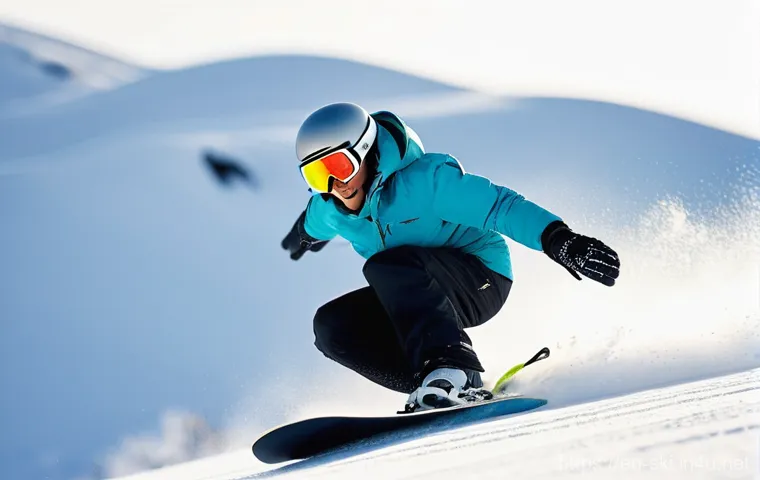
Beyond the physical techniques and the gear, there’s a huge mental component to leveling up your snowboarding. Confidence, focus, and a keen awareness of your surroundings are just as vital as a perfect carve.
I used to let fear dictate my runs, especially on steeper slopes or in challenging conditions. That little voice in my head would tell me to slow down, to hold back.
But once I started actively working on my mental game, everything changed. It wasn’t just about riding better; it was about enjoying the entire experience more deeply, pushing through mental barriers, and trusting my own abilities.
Snowboarding is as much a mental sport as it is a physical one, and sharpening your mind will unlock incredible new levels of performance and enjoyment.
Overcoming Fear and Building Confidence
Fear is a natural part of progression, but it can also be a huge roadblock. Whether it’s the fear of falling, the fear of speed, or the fear of a new challenging run, it’s something we all face.
My biggest tip for overcoming it is to break down the intimidating challenge into smaller, manageable steps. Want to tackle a black diamond? Try a steeper blue first, or ride the black with a buddy.
Focus on controlled, confident turns rather than speed. Visualize yourself successfully making the turns. When I’m feeling nervous about a particularly tricky section, I often pause, take a few deep breaths, and remind myself of all the skills I’ve already mastered.
Trust your muscle memory and your instincts. Every time you push past a fear, your confidence grows exponentially, making the next challenge seem a little less daunting.
It’s a continuous process of proving to yourself what you’re capable of.
Developing Situational Awareness
Being aware of your surroundings isn’t just about safety; it’s also about optimizing your ride and finding the best snow. This means constantly scanning the slope ahead, checking for other riders, changes in snow conditions, and potential obstacles.
It also means noticing those untouched patches of powder just off to the side, or that fun little roller perfect for an ollie. I’ve found that consciously looking further ahead helps me anticipate changes and plan my line more effectively, making my turns smoother and more reactive.
It’s like having a superpower on the mountain – you’re always one step ahead. Developing this heightened awareness makes you a safer rider, but more importantly, it unlocks a deeper connection to the mountain, allowing you to spot opportunities for fun and progression that you might otherwise miss.
Riding Smarter, Not Harder: Energy Efficiency and Flow
You know that feeling when you’ve been riding all day, and your legs are screaming, and every turn feels like a monumental effort? I’ve been there too many times.
But as I’ve advanced, I’ve realized that riding smarter, focusing on energy efficiency and flow, is the key to maximizing my time on the slopes and enjoying every single run, from first chair to last.
It’s not about sheer brute force; it’s about harnessing the mountain’s energy and letting your board do the work. This realization completely changed my endurance and allowed me to ride longer, stronger, and with less fatigue.
It’s about finding that effortless grace that the truly advanced riders seem to possess, making every movement count without wasting precious energy.
Understanding Board Dynamics and Flex
To truly ride efficiently, you need to understand how your board responds to your input. Every board has a certain flex pattern – how stiff or soft it is.
When you carve, you’re actually bending the board, allowing its sidecut to create that arc. By understanding where and how to apply pressure, you can “load” and “unload” the board, using its natural rebound to propel you into the next turn.
Think of it like a spring: compress it, then release it for power. I found that consciously focusing on this dynamic interaction with my board, really feeling it flex and snap back, made a huge difference.
It allows the board to do more of the work, saving your leg muscles and making your turns feel more powerful and less strenuous. This isn’t just about speed; it’s about making every turn feel alive and responsive.
The Art of Relaxation and Breathing
It sounds almost too simple, but staying relaxed and breathing properly while snowboarding can dramatically improve your performance and stamina. When we get nervous or tired, we tend to tense up, holding our breath, and that just drains energy.
I used to grip the board with my feet, my shoulders would creep up to my ears, and I’d be exhausted after just a few runs. Now, I make a conscious effort to keep my muscles loose, my knees slightly bent and “soft,” and to breathe deeply and consistently.
This not only conserves energy but also makes you more adaptable to unexpected terrain changes. A relaxed body is a fluid body, allowing you to absorb bumps and initiate turns with ease.
It’s amazing how much difference a few deep breaths can make when you’re feeling a bit overwhelmed or your legs are burning. It truly transforms the ride from a struggle to a flow state.
| Aspect | Intermediate Rider | Advanced Rider |
|---|---|---|
| Edge Control | Reliably links turns, some skidding on steep/icy terrain. | Precise edge hold in all conditions, clean carves, minimal skidding. |
| Turn Variety | Mostly medium-radius, consistent turns. | Adapts turn shape and radius to terrain, speed, and conditions. |
| Terrain Adaptability | Comfortable on groomed blues, hesitant on bumps, trees, or deep powder. | Confidently navigates moguls, glades, powder, and steeps with control. |
| Freestyle Elements | Limited to no freestyle tricks. | Incorporates ollies, nollies, butters, and small jumps/grabs into riding. |
| Mental Approach | Can be easily intimidated by challenging runs, focuses on survival. | Confident, focused, actively seeks challenges, and manages fear effectively. |
| Energy Use | Often fatigues quickly due to inefficient movements. | Efficient movements, utilizes board dynamics, rides longer with less effort. |
Flow and Poise: The Art of Control
True mastery in snowboarding isn’t just about executing a series of skills; it’s about seamlessly blending them into an elegant, controlled descent. It’s about that effortless look, the kind where riders seem to glide down the mountain with barely any visible effort, making it look incredibly easy.
I used to think this was just natural talent, but I’ve come to realize it’s a culmination of refined technique, conscious awareness, and a deep connection with your board.
Developing flow and poise transforms your riding from a series of individual maneuvers into a continuous, artistic expression. It’s about finding your rhythm, anticipating the terrain, and letting your body move intuitively with the mountain.
This is where snowboarding truly becomes a dance, a conversation between you, your board, and the snow.
Synchronizing Body and Board
The path to flow often lies in achieving complete synchronization between your body and your board. When you watch an advanced rider, it’s hard to tell where their body ends and the board begins; they move as one.
This comes from understanding how your body weight, rotation, and balance affect the board’s behavior. I often try to think of my board as an extension of my feet, rather than a separate object I’m standing on.
This mental shift encourages a more intuitive, less forceful approach to turning and maneuvering. By initiating turns from your core, allowing your hips and shoulders to lead, your board will naturally follow.
It’s about gentle guidance rather than aggressive steering. When you get this synchronization right, your turns feel incredibly smooth and powerful, almost like you’re not even trying.
Reading the Mountain Like a Book
A huge part of maintaining flow and poise is being able to “read” the mountain. This means constantly scanning the terrain ahead and anticipating what’s coming next – where the snow might be softer, where there might be ice, where the pitch changes, or where a natural jump might appear.
It’s like having a sixth sense for the snow. I learned to do this by forcing myself to look much further down the slope than I was comfortable with, planning not just my next turn, but the next three or four.
This foresight allows you to adjust your speed, turn shape, and body position well in advance, eliminating frantic, last-minute reactions. When you can read the mountain effectively, you can choose the best line, maintain your momentum, and weave down the slope with an uninterrupted, graceful flow.
This ability makes you proactive rather than reactive, elevating your ride to a truly sophisticated level.
Riding with Confidence: Conquering Fear
Let’s be honest, even after years of riding, those little moments of self-doubt or fear can creep in. Whether it’s standing at the top of a particularly steep chute, eyeing a challenging park feature, or navigating icy patches, pushing your limits inevitably brings up some apprehension.
But overcoming that fear and riding with genuine confidence is perhaps the most significant step in truly leveling up. I remember my hands shaking slightly before my first drop into a double black diamond.
It wasn’t just about the physical challenge; it was about conquering that mental hurdle. Building confidence isn’t about eliminating fear entirely, but about developing the tools and mindset to acknowledge it, then ride through it anyway.
It’s a powerful transformation that extends beyond the slopes.
Mental Preparation and Visualization
Before tackling anything challenging, whether it’s a new trick or a daunting run, I’ve found that mental preparation makes a world of difference. Take a moment at the top of the run, close your eyes, and visualize yourself successfully executing each turn, flowing smoothly down the slope.
Imagine the feeling of your edges holding, the wind in your face, and the satisfaction of nailing it. This isn’t just wishful thinking; it primes your brain and body for success, reducing anxiety and building a positive mindset.
I used to scoff at this, but after trying it a few times, I realized how incredibly effective it is. It helps you focus on what you *want* to happen, rather than dwelling on potential mistakes, and allows you to approach the challenge with a much calmer, more focused demeanor.
Embracing Progressive Challenges
The best way to build confidence is through a series of progressive challenges. Don’t jump straight from green runs to double blacks. Instead, gradually push your comfort zone.
Master the blues, then try a steeper blue, then maybe a single black diamond on a good snow day. When trying new tricks, start on flat ground, then move to small rollers, then a small box or rail.
Each small success builds your belief in your abilities, making the next step feel achievable. I learned that consistency and patience are key. Celebrate the small victories, learn from your falls, and never stop trying new things.
Every time you successfully navigate a new challenge, you’re not just improving your snowboarding skills; you’re also building resilience and self-belief that will serve you well, both on and off the mountain.
This continuous growth is what keeps the passion alive.
Wrapping Up
Wow, what a ride, right? It’s been amazing sharing these insights and tips with you, all gleaned from countless hours and epic days spent carving up the slopes.
I truly believe that becoming a more advanced snowboarder isn’t just about mastering new tricks or pushing speed limits; it’s about developing a deeper connection with your board and the mountain, and finding that sweet spot where challenge meets pure joy.
Remember, every fall is a lesson, and every small progression builds immense confidence. Don’t ever stop exploring, experimenting, and letting that passion for snowboarding fuel your journey.
The mountain always has something new to teach us, and I can’t wait to see you out there, flowing with newfound control and style!
Good to Know Info
1. Regular Gear Check-ups are Non-Negotiable. Before you even step onto the lift, take a few moments to thoroughly inspect your bindings. Ensure all screws are tight, straps are secure, and nothing feels loose. This simple habit can prevent frustrating equipment malfunctions and, more importantly, keep you safe on the mountain. A quick check can save your day and potentially prevent an injury, ensuring your board is always an extension of you, not a separate, unpredictable entity, which I’ve personally seen make a huge difference in preventing unexpected tumbles.
2. Invest in Lessons – Seriously. No matter how good you think you are, a fresh perspective from a certified instructor can unlock breakthroughs you didn’t know were possible. I’ve personally hit plateaus countless times, and each time, a lesson helped me identify subtle inefficiencies in my technique. Even an hour with a pro can pinpoint tiny adjustments in your stance, edge pressure, or body movement that will elevate your riding dramatically, making every penny well spent on your progression journey and saving you years of self-taught bad habits.
3. Wax On, Glide On! A well-waxed board isn’t just about speed; it’s about control and efficiency. When your base is properly waxed, it glides smoother, reduces friction, and makes initiating turns far easier. This means less effort from your legs, allowing you to ride longer and enjoy more runs throughout the day. I make it a point to wax my board every few trips, and the difference in feel and performance is truly night and day, especially on varied snow conditions, giving you that effortless, buttery feel.
4. Hydration and Fuel are Your Best Friends. Snowboarding is a demanding sport, and it’s easy to get dehydrated and burn through calories without realizing it, especially in colder, dry air at altitude. Carry a water bottle and pack some snacks – energy bars, nuts, or fruit – to keep your energy levels up. Staying properly hydrated and fueled prevents fatigue, maintains focus, and helps you make better decisions on the slopes, ensuring you’re strong from first chair to last call and avoiding that mid-afternoon energy slump.
5. Embrace the Power of Stretching and Recovery. Don’t just hit the slopes cold. A few minutes of dynamic stretching before you start riding can warm up your muscles, improve flexibility, and significantly reduce the risk of injury. Post-shred, a good stretching routine and some rest will help with muscle recovery. I’ve found that a bit of foam rolling or even just a warm bath after a long day makes a huge difference in how I feel the next morning, allowing me to be ready for another day on the mountain feeling refreshed and ready to shred again.
Key Takeaways
So, what’s the big picture here? For me, leveling up your snowboarding truly boils down to three core areas: refining your technique through dedicated practice on edge control and dynamic turns, embracing the mental game by conquering fear and building unwavering confidence, and optimizing your connection to the mountain through well-chosen gear and efficient riding.
It’s a holistic approach, a journey of continuous learning and growth. Don’t be afraid to push your boundaries, but always listen to your body and respect the mountain.
The real joy comes from that feeling of complete control and effortless flow, where every turn feels like pure poetry. Keep that stoke alive, and I promise you, the best days on the mountain are always ahead!
Frequently Asked Questions (FAQ) 📖
Q: I’ve been snowboarding for a while now and feel like I’m stuck in an “intermediate rut.” My turns are fine, but I just don’t feel like I’m progressing. What’s the secret to breaking through this plateau and really leveling up?
A: Oh, believe me, I totally get this feeling! I remember hitting that exact wall a few seasons back, where I could link turns smoothly but felt like every run was just a repeat.
What I found was that the “secret” isn’t one big thing, but a series of small, intentional adjustments. First, stop trying to go faster all the time. Instead, focus on slowing down and feeling your board.
Really pay attention to how your edges engage and disengage. I started doing drills where I’d make really tight turns, then really wide ones, then practice riding switch for just a few feet on easy slopes.
It feels awkward at first, but it forces your body to adapt and find new balance points. Also, don’t underestimate the power of looking at your body position.
Are you stacked over your board? Are your knees truly bent and active? I found a mirror at home helped me visualize better.
Sometimes, just shifting your weight a tiny bit more over your lead foot or initiating turns with your front knee can unlock a whole new level of control and responsiveness you didn’t even know you were missing.
It’s about conscious practice, not just going through the motions.
Q: Tackling steeper runs always makes me a bit nervous. My speed builds up, and I feel like I lose control, ending up in a skid. How can I confidently take on those more challenging slopes without feeling overwhelmed?
A: This is such a common hurdle, and it was definitely one of my biggest mental blocks for a long time! That feeling of speed creeping up on you can be terrifying.
The biggest game-changer for me was realizing that on steep terrain, you actually need more commitment to your edge, not less. It sounds counterintuitive, but think of it this way: your board needs to “bite” into the snow to control your speed.
My old habit was to lean back, which just washes out the edge and makes you skid uncontrollably. Instead, focus on really driving your front knee into the turn, stacking your shoulders directly over your board, and engaging that edge from hip to ankle.
Start by picking shorter, less intimidating steep sections. Make a conscious effort to finish each turn across the fall line – that means pointing your board up the hill slightly at the end of your carve, even for just a second.
This acts as a natural speed check. Take a breath, look ahead, and commit to one turn at a time. As you get more comfortable, you’ll find you can link those committed turns and carve down steeper slopes with a newfound sense of power and control.
It’s truly empowering when it clicks!
Q: I see experienced riders hitting side-features, doing little jumps, and generally making the mountain their playground. How can I start incorporating that kind of playful style into my riding without wiping out all the time?
A: Oh, this is where the real fun begins! I absolutely adore adding little “extra spice” to my runs now, but trust me, I started small, and yes, there were some hilarious tumbles along the way!
The key to adding playfulness like side-hits and small jumps is all about learning to “pop.” It’s not just about letting the terrain launch you; it’s about actively pushing off your board and using your body to generate lift.
Start on a flat, easy section. Practice simply bending your knees and then quickly extending them, pushing off the snow as if you’re trying to jump straight up, lifting your board with you.
Once you get that motion down, look for small, natural bumps or rollers on the side of the trail. Approach them with a little speed, and as you go over them, time your “pop” with the lip of the feature.
It’s a subtle movement at first, but it will give you a little bit of air. Always keep your knees bent and soft when you land – think of them as shock absorbers!
Don’t look down at your board; keep your eyes focused on where you want to go next. Start with tiny undulations, then progress to slightly bigger side-hits.
The mountain has so much to offer beyond just riding down, and once you start experimenting, you’ll see opportunities for fun everywhere! It completely changed how much I enjoyed my time on the slopes.