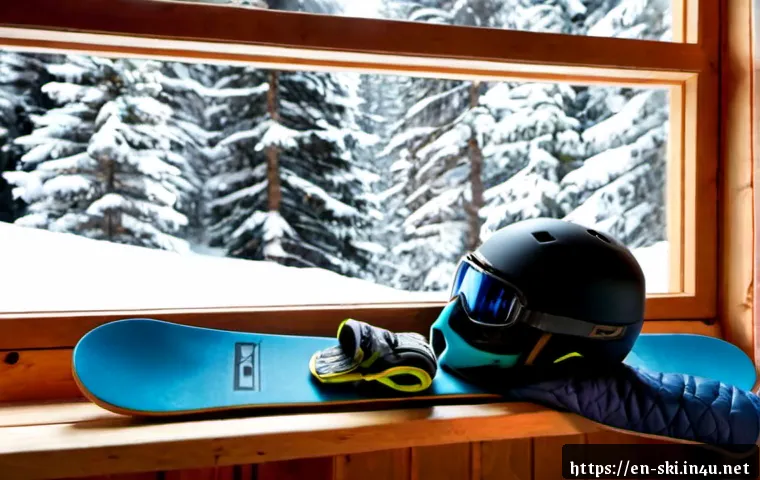
For most first-time snowboarders, renting the board, bindings, and boots is the simplest starting point, while buying a well-fitting helmet and weather-ready clothing can make sense sooner.
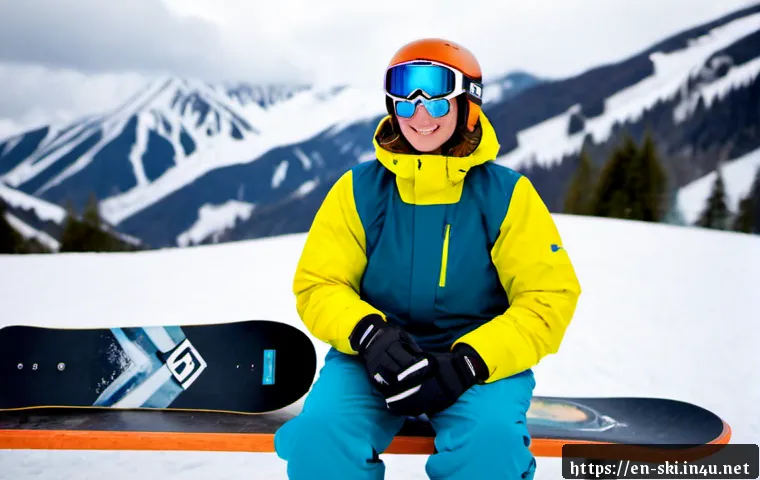
If you expect to ride regularly, a beginner snowboard package becomes more appealing after you understand your boot fit, preferred setup, and local rental access.
The best purchase is not always the biggest bundle; comfort, compatibility, and a lesson-friendly setup matter more than advanced features. Compare what each rental package includes, especially boots, helmet options, and outerwear.
A short fitting session before your first day can prevent discomfort from cutting the day short.
At a Glance
- Rent first: A rental setup commonly includes the snowboard, bindings, and boots, which is practical for a first resort visit.
- Buy for comfort: Prioritize a stable helmet fit, waterproof gloves or mittens, and clothing layers that manage moisture.
- Check compatibility: Boots, bindings, and board sizing should be checked together before buying a snowboard package.
| Option | Upfront Cost | Fit Control | Convenience | Best Use Case |
|---|---|---|---|---|
| Rental package | Usually lower at the start | Limited to available equipment, but adjustable with staff help | High for travelers and occasional riders | First lesson, vacation trip, or uncertain riding plans |
| Beginner snowboard package | Higher initial purchase | Better long-term control over boots, bindings, and board selection | Useful when you expect repeated riding days | Frequent resort visitors and season-pass riders |
| Piece-by-piece setup | Varies by each item selected | Highest, if sizing and mounting are checked carefully | Requires more research and fitting time | Riders who already know their preferences |
The Best First Setup for a New Snowboarder
The short answer: prioritize boots, helmet fit, and a lesson-friendly board setup
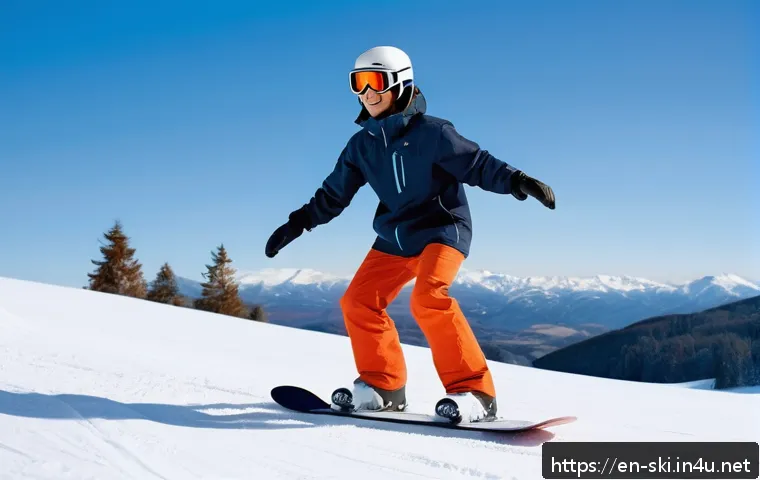
A functional snowboard setup needs a snowboard, bindings, and snowboard boots that work together. For a beginner, boots deserve the most attention because poor heel hold or painful pressure can reduce control and make frequent stopping frustrating. A beginner-friendly board setup is generally chosen for easier turning and more forgiving handling than a specialized advanced board.
If you are booking your first lesson, renting the board, bindings, and boots is often a sensible route. It keeps the first decision simple while you learn whether snowboarding will become a regular activity.
Essentials for day one versus items that can wait
Day-one essentials include a compatible board setup, helmet, waterproof outerwear, gloves or mittens, and moisture-managing base layers. Goggles and wrist protection may also be useful depending on conditions, resort expectations, and personal preference.
Items that can wait include advanced board shapes, highly specialized bindings, and upgrades chosen mainly for a particular riding style. Early on, comfortable gear is usually more valuable than performance features you cannot yet use.
A quick checklist before leaving for the mountain
- Confirm whether your rental reservation includes boots, bindings, and a board.
- Check whether a helmet, outerwear, goggles, or protective accessories are separate.
- Try boots with snowboard socks and check for firm heel hold without painful pressure.
- Bring waterproof gloves or mittens and a dry base layer.
- Ask where the rental desk is located and allow time for fitting before your lesson.
Rent, Buy a Starter Package, or Build Your Setup Piece by Piece?
When rental equipment is the smarter first choice
Renting is a strong option for a one-day trip, a vacation, or your first few lessons. You avoid traveling with bulky equipment and can focus on learning basic movement, turning, and lift routines. Rental shops can also help match boot and binding sizing, although available equipment and service levels vary.
Renting remains useful when you are unsure how many days you will ride, when resort access is occasional, or when baggage space matters. Compare rental package details rather than assuming all gear is included.
When a beginner package may be worth considering
A beginner snowboard package may be worth considering when you expect frequent riding days, have convenient storage and transport, and feel confident about your boot fit. A package can simplify board-and-binding compatibility, but you should still verify boot sizing and mounting compatibility before purchasing.
For many new riders, buying boots after a careful fitting can be a practical middle ground. You get a consistent fit while continuing to rent a board and bindings until your preferences become clearer.
Costs to compare beyond the board and bindings
Do not compare only the board price or rental rate. Look at the full snowboard gear plan: boot fitting, helmet availability, outerwear, gloves, goggles, protection, travel space, and access to local rental shops. Exact package prices, discounts, and seasonal sale timing vary by region, retailer, resort, and equipment tier.
How to Choose Boots, Bindings, and a Board That Work Together
Why boot fit matters more than chasing a specific board model
Boots are the connection between your body and the board. A boot that feels loose at the heel can make control harder, while painful pressure points can shorten your time on snow. Try on boots carefully, stand in them, and make sure the heel feels secure before making a purchase decision.
Manufacturer sizing guidance and in-person fitting support can help, but your correct boot size depends on your individual foot shape and fit needs. Do not assume your everyday shoe size will automatically match every snowboard boot.
Checking binding size and boot-to-board compatibility
Bindings should be selected for your boot size, then checked with the board. Excessive toe or heel overhang may create problems, so ask a snowboard retailer or rental technician to inspect the full setup. The board, binding mounting system, and boot sizing should be considered as one decision.
A prebuilt snowboard package can reduce some compatibility work, but it does not replace a final fit check. Confirm that the bindings are sized appropriately and that the board can be mounted correctly for the chosen equipment.
Beginner-friendly board characteristics to discuss with a shop or rental desk
Tell the shop that you are learning and want a board selected for forgiving handling and easier turning. Share your measurements, ability level, riding goals, and expected conditions. The right board length and profile depend on those details as well as the manufacturer’s sizing guidance.
Avoid buying based only on graphics, advanced marketing terms, or the setup used by a more experienced friend. Your first board should support learning, not add unnecessary difficulty.
Clothing and Protection That Make Learning More Comfortable
Helmet fit, goggles, gloves, and wrist protection
A helmet should fit snugly, remain stable, and avoid painful pressure points. Move your head gently while trying it on; excessive movement can indicate an unsuitable fit. Helmet policies and protective gear requirements may vary by resort, so check before traveling.

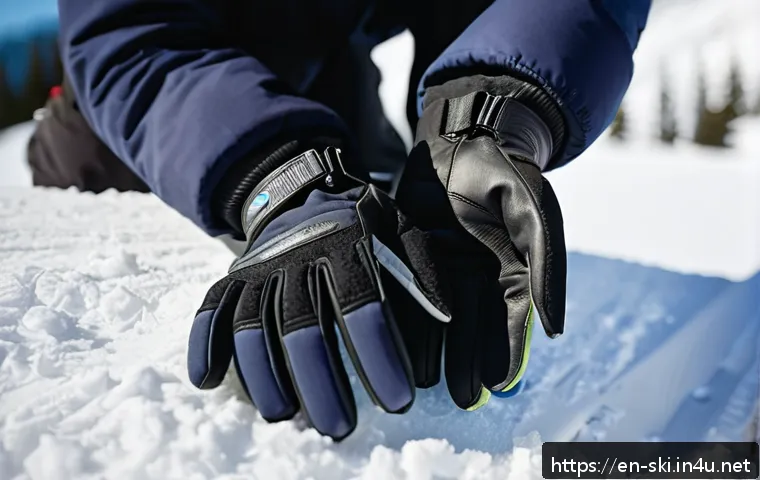
Waterproof gloves or mittens help during falls and chairlift rides. Goggles can improve comfort in wind, snow, or changing light. Some beginners also consider wrist protection, especially because falls are common while learning, but fit and resort guidance should be reviewed.
Layering for wet snow, wind, and changing temperatures
Choose waterproof outerwear and moisture-managing base layers. Beginners often spend more time sitting, standing up, and stopping than experienced riders, so clothing can become wet quickly. A flexible layering plan is more useful than relying on one heavy layer for every condition.
Common comfort mistakes that end a beginner day early
Common problems include loose boots, wet gloves, cold base layers, a helmet that shifts, and outerwear that is not suitable for snow. Another mistake is arriving late and rushing the rental fitting. Give yourself time to adjust bindings, ask questions, and make sure the setup feels secure before the lesson starts.
Gear Priorities for Different Beginner Situations
One-day or vacation riders
Rent the board, bindings, and boots. Bring or buy personal comfort items such as gloves, base layers, and a properly fitted helmet if you expect to use it again. This approach limits luggage and reduces the risk of purchasing gear before you know what fits.
Riders taking their first lessons
Choose a rental setup and ask for equipment appropriate for a beginner lesson. Focus on boot comfort and helmet stability. A lesson is also a useful opportunity to notice whether the boots feel supportive and whether you want to continue with rental equipment or consider a future snowboard package.
Frequent riders considering a season pass
If you expect many riding days, compare the total convenience of repeated rentals with a starter setup. A personal boot fit can be especially valuable for consistency. Before buying, confirm local service options, storage, transport needs, and whether the package components are compatible.
Travelers who need to limit luggage and baggage fees
Use a resort rental shop when possible and pack only clothing and personal items you know you will need. Check in advance whether the rental package includes boots and bindings, and whether helmets or outerwear can be added separately.
Selection Criteria and Comparison Summary
Buy now, rent first, or upgrade later: a simple decision guide
Rent first if this is your first trip, you are taking a lesson, or you ride only occasionally. Consider buying boots and protective basics when comfort and fit are your biggest concerns. Consider a beginner package when you expect frequent riding days and have confirmed your boot size, binding size, and board compatibility.
Questions to ask a rental shop or snowboard retailer
- What does this snowboard rental package include?
- Can you check my heel hold and boot comfort before I leave?
- Which binding size fits these boots?
- Does this board setup suit a first-time rider taking lessons?
- Are helmet, goggles, outerwear, or protective accessories available separately?
Final pre-purchase and pre-rental checklist
Compare the total package cost, not just the board or daily rental. Check boot-fitting availability, review what the rental package includes, and verify board, binding, and boot compatibility. If you are considering a starter bundle, review the listed sizing guidance and mounting details on the relevant product page before ordering.
Conclusion
The safest beginner approach is usually simple: use a properly fitted, compatible setup and stay warm enough to practice longer. Renting removes much of the early purchasing pressure, while personal boots, a stable helmet, and reliable outerwear can improve comfort. Once you know how often you will ride and what fit works for you, comparing beginner snowboard packages becomes much easier.
Useful Information to Know
Rental availability, package contents, helmet policies, and protective gear requirements can differ between resorts. Seasonal sales and package discounts also vary by retailer, location, and equipment tier. Check the current details before reserving equipment or purchasing a snowboard bundle.
Important Notes
Board length, boot size, binding size, board profile, and protective gear needs are individual decisions. Use manufacturer sizing guidance and ask a qualified rental or retail staff member to confirm compatibility. This guide cannot determine the correct setup for every rider or resort condition.
Frequently Asked Questions
Q1. Is it better for a beginner to rent snowboard equipment or buy a starter package?
A1. Renting is often the better first choice for a first trip, occasional riding, or lessons because it commonly provides the board, bindings, and boots without requiring a full setup purchase. A starter package may be worth comparing if you expect frequent riding days and have confidence in your boot fit and sizing.
Q2. What snowboard gear should a beginner buy first?
A2. Consider comfort and protection first: a well-fitting helmet, waterproof gloves or mittens, and suitable base layers and outerwear. Boots can also be an important early purchase when you can get a careful fit, while the board and bindings can be rented until you know your preferences.
Q3. How much should a beginner budget for snowboard rentals, clothing, and safety gear?
A3. Exact costs vary by resort, region, season, rental tier, retailer, and package contents. Compare the complete cost of the board-and-binding rental, boots, helmet options, outerwear, goggles, gloves, and any protective accessories rather than relying on one advertised package price.