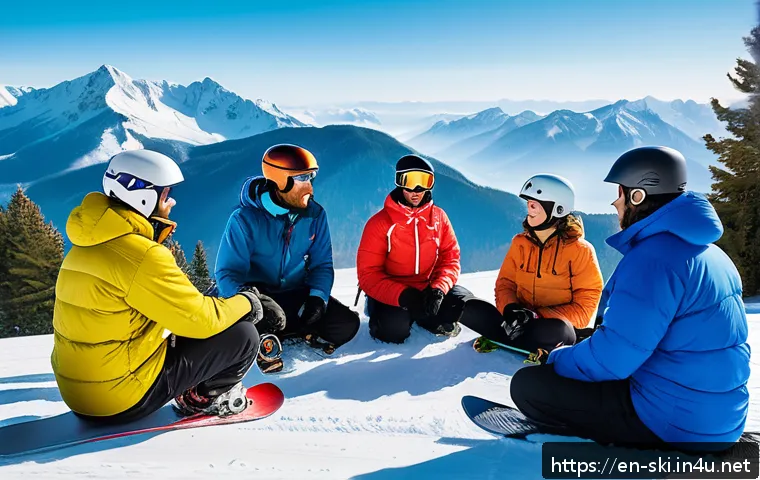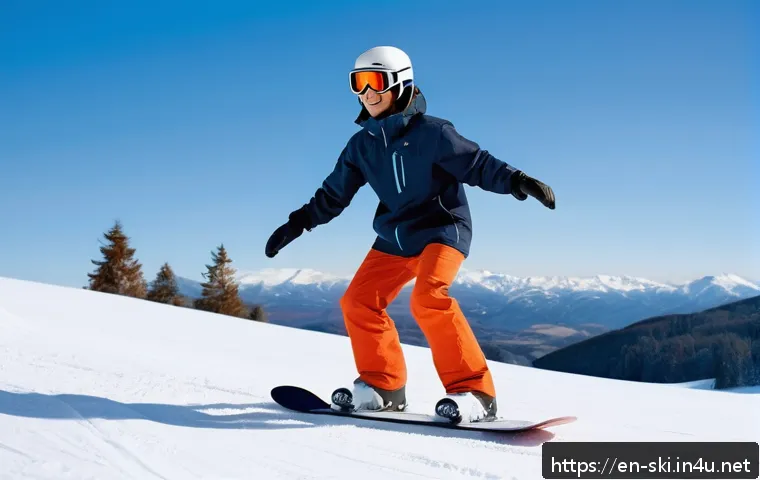
As winter sports continue to captivate thrill-seekers worldwide, mastering the art of snowboarding has become more exciting than ever. Whether you’re just starting out or aiming to tackle steeper slopes with confidence, understanding how to progress step by step is key to enjoying every ride.
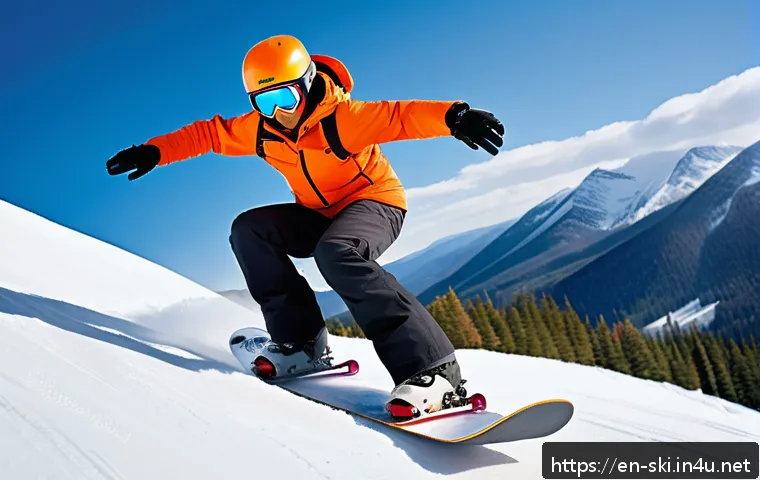
Recent advances in gear technology and slope design have made it easier to adapt to different gradients safely and efficiently. In this guide, I’ll share practical tips and personal insights to help you build skills gradually, ensuring both fun and safety on the mountain.
Let’s dive into the essentials that will transform your snowboarding journey, no matter your current level.
Getting Comfortable on Gentle Slopes
Finding Your Balance and Stance
Before you even start gliding, getting a feel for your balance is crucial. Spend some time standing still on a flat surface with your snowboard strapped on.
Notice how your weight shifts between your toes and heels. This awareness helps you maintain stability when you start moving. For me, practicing this at home on carpeted floors really boosted my confidence before hitting the snow.
Adjust your stance width and angles until it feels natural—too narrow or too wide can throw off your control. Remember, a relaxed body posture goes a long way in preventing stiffness and falls.
Learning to Glide and Stop Safely
Once you’re comfortable standing, the next step is gentle gliding on very mild slopes. Focus on smooth, controlled movements rather than speed. Using the heel edge to slow down and stop is the safest technique here.
At first, I found myself leaning too far forward, which made stopping tricky. It helped when an instructor reminded me to keep my weight centered or slightly back on the heel edge.
Practice falling safely too—rolling on your side or buttocks rather than your wrists can prevent injuries. This phase is all about building trust in your board and your body’s reactions.
Mastering Basic Turns and Direction Control
Turning is where things start to feel like real snowboarding fun. On gentle slopes, practice making wide, smooth turns by shifting your weight from heel to toe edge gradually.
Think of it like carving gentle arcs rather than abrupt movements. I remember the moment I nailed my first clean turn—it was a total game-changer in feeling connected to the mountain.
Don’t rush; take your time to feel how the board responds. Using your shoulders and hips to guide the board, rather than just your feet, adds fluidity.
The key is consistent practice and patience.
Building Confidence on Moderate Terrain
Refining Turn Techniques and Speed Control
As you move onto moderate slopes, the speed picks up and turns need to be sharper and more precise. Here, edge control becomes your best friend. Learning to engage the edges confidently helps you carve more aggressively without losing balance.
I noticed that focusing on bending my knees and absorbing bumps made a huge difference in smoothness. Speed control isn’t just about braking—it’s about rhythm and flow.
Linking turns fluidly keeps momentum manageable and fun. Don’t hesitate to revisit beginner slopes if something feels off; reinforcement is part of mastery.
Understanding Slope Angles and Terrain Types
Different moderate slopes come with varying gradients and textures—some might be icy, others soft powder. Recognizing these differences helps you adjust your technique accordingly.
For instance, icy patches demand lighter pressure on your edges to avoid slipping, while powder requires more weight for stability. When I first encountered variable terrain, I kept a mental note of how the board reacted and adjusted my stance dynamically.
It’s a continuous learning process that sharpens your adaptability and control.
Improving Safety and Fall Recovery
Falling is inevitable, especially as you push your limits on steeper slopes. What matters is how safely and quickly you recover. Practice rolling onto your side when you fall to avoid wrist injuries.
Wearing wrist guards and padded shorts can give extra peace of mind. I learned from experience that staying calm and slowly getting back up, facing uphill, prevents accidents from other riders.
Always be aware of your surroundings and signal when you need to stop or cross paths. This awareness not only protects you but also fosters a respectful slope culture.
Exploring Steeper Slopes with Advanced Skills
Carving with Precision and Power
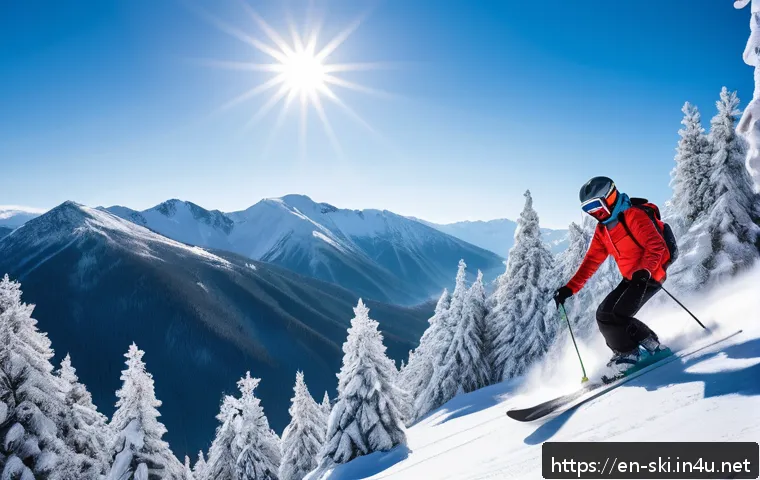
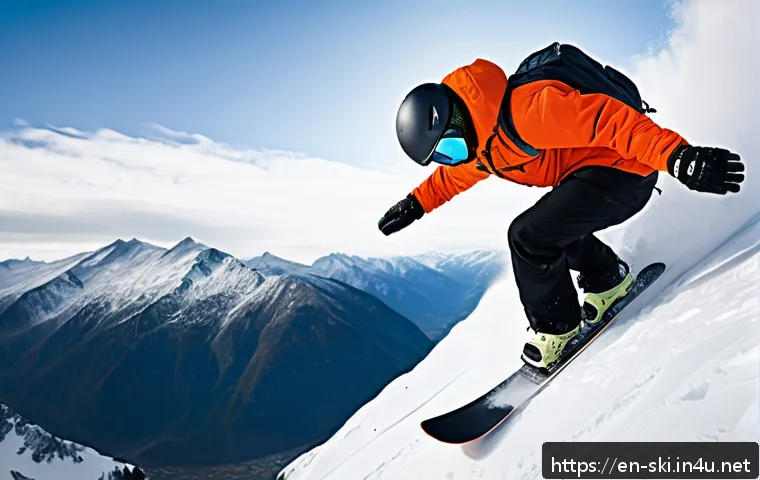
Steeper terrain demands confident carving—sharp, clean turns using your edges to maintain control and speed. This is where all your previous balance and turning practice pays off.
I found that focusing on weight distribution between front and back foot during turns helped me maintain stability even at higher speeds. Engaging your core and maintaining a low center of gravity are essential to prevent wobbling.
The thrill of carving down a steep slope is unmatched, but it requires trust in your equipment and your skills. Mastery here is about flow and control, not brute force.
Handling Variable Snow Conditions
On steep slopes, snow conditions can vary drastically—ice, packed snow, slush, or fresh powder. Each requires a slightly different approach. For icy conditions, controlled, deliberate turns with less pressure on edges avoid slipping.
Powder demands more aggressive edge engagement and weight shifting for buoyancy. When I first tackled variable conditions, I made sure to observe the snow closely before committing to a line.
Adjusting your riding style mid-run is a skill that separates confident riders from those who hesitate and fall.
Advanced Safety Measures and Mental Preparation
Steeper slopes come with higher risks, so mental readiness is as important as physical skill. Visualizing your run before dropping in helps you anticipate turns and hazards.
I always remind myself to stay relaxed and breathe steadily—tension leads to mistakes. Wearing a helmet, back protector, and avalanche beacon (if off-piste) is non-negotiable.
Being mentally prepared also means knowing your limits and not pushing beyond what you can handle that day. Confidence grows with experience, but humility keeps you safe.
Optimizing Your Gear for Performance and Comfort
Choosing the Right Board and Bindings
Your equipment is your partner on the mountain. Different boards suit different styles and slopes—freeride boards excel on steep, powdery terrain, while all-mountain boards offer versatility.
Bindings should fit snugly but comfortably, allowing responsive control without numbness. I spent a season experimenting with board lengths and flex before settling on what felt best for my riding style.
Don’t overlook the importance of boots—they’re the foundation of your control. Well-fitted boots prevent foot fatigue and improve precision.
Maintaining and Tuning Your Equipment
Regular maintenance keeps your gear in top shape and enhances safety. Waxing your board for the specific snow conditions improves glide, while edge sharpening ensures grip on icy slopes.
I learned early on that neglecting tuning leads to frustrating rides and increased risk of falls. Checking bindings for wear and adjusting straps keeps your setup reliable.
If you’re not confident doing this yourself, local shops offer affordable tuning services. A well-maintained board feels like an extension of your body on the snow.
Layering Clothing for Temperature and Mobility
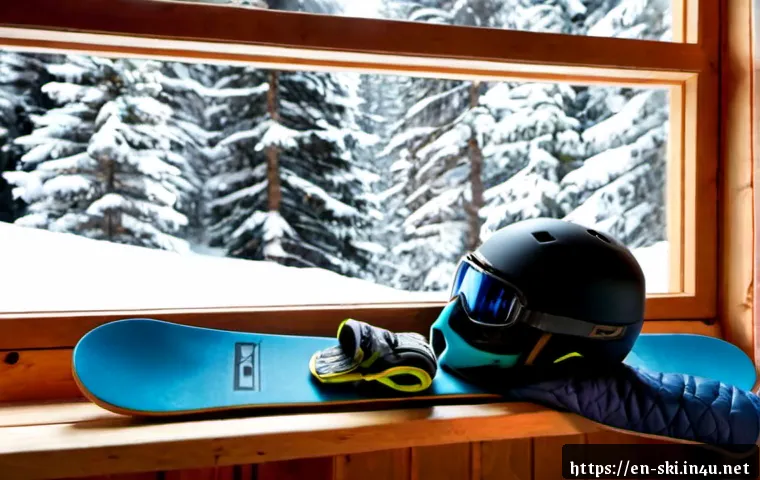
Comfortable, breathable layers keep you warm without overheating. I always wear moisture-wicking base layers, insulating mid-layers, and waterproof outer shells.
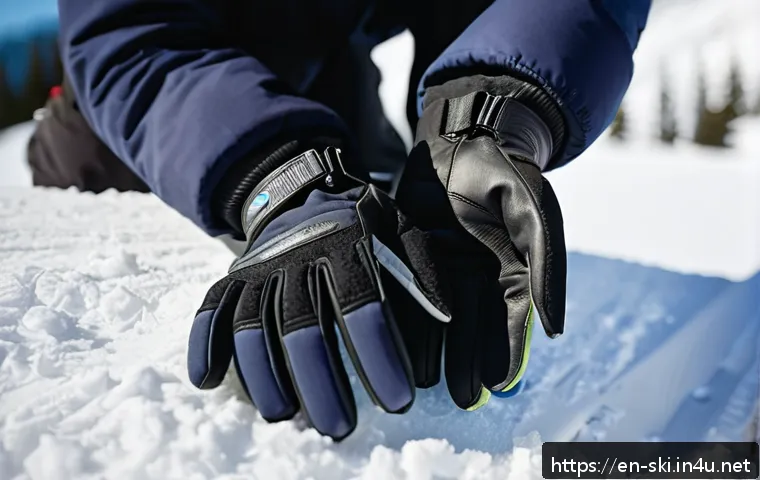
Avoid cotton, which traps sweat and chills you. Gloves with good grip and ventilation, plus neck gaiters and goggles, complete the setup. Dressing smartly allows you to focus on technique and fun rather than battling cold or sweat.
Adjust layers based on weather and exertion levels—flexibility in clothing is key to a long, enjoyable day.
Incorporating Off-Slope Training for Better Performance
Strength and Conditioning Exercises
Snowboarding demands strong legs, core stability, and good balance. Squats, lunges, and planks are excellent for building the muscles you use on the board.
I found that incorporating these exercises into my routine improved endurance and reduced soreness after long days on the mountain. Cardio workouts like running or cycling boost stamina, allowing you to ride longer without fatigue.
Consistent off-slope training translates directly into better control and confidence on varied terrain.
Balance and Flexibility Drills
Balance boards, yoga, and dynamic stretching enhance proprioception and flexibility, which are crucial for smooth turns and injury prevention. When I started practicing yoga, I noticed a significant improvement in my body awareness and ability to recover from awkward positions mid-run.
Stretching before and after snowboarding sessions helps reduce muscle tightness and speeds up recovery. These simple routines make a big difference in your overall riding experience and enjoyment.
Visualization and Mental Focus Techniques
Mental preparation often gets overlooked but is vital for progressing in snowboarding. Visualization exercises—picturing yourself performing perfect turns and runs—build confidence and reduce anxiety.
I use breathing techniques to stay calm before challenging slopes. Mindfulness practices improve focus and help you stay present, which is key for reacting quickly to changing conditions.
Developing a positive mindset turns challenges into opportunities for growth, making every session more rewarding.
Understanding Snowboarding Etiquette and Mountain Safety
Respecting Other Riders and Trail Rules
Mountain etiquette isn’t just politeness—it’s essential for everyone’s safety. Yielding to riders downhill, signaling your intentions, and not stopping in narrow or blind spots prevent accidents.
I’ve seen firsthand how a small gesture like waving a thank-you creates a positive vibe on the slopes. Familiarize yourself with trail signs and closures; they exist for good reasons.
Respecting these rules ensures a smooth, enjoyable experience for you and others.
Recognizing and Responding to Hazards
Snowboarding environments can change rapidly—icy patches, hidden rocks, or sudden weather shifts demand quick adaptation. Always scan the terrain ahead and avoid risky lines.
If you spot a hazard, communicate with fellow riders to warn them. Carrying a small first aid kit and knowing basic emergency procedures is smart. I once helped a fellow rider after a fall simply because I stayed alert and calm.
Being proactive about safety protects not only you but the entire mountain community.
Preparing for Emergencies and Avalanche Awareness
For those venturing off-piste or into backcountry areas, avalanche knowledge is critical. Taking certified avalanche safety courses and carrying proper gear like beacons, probes, and shovels can save lives.
I remember my first backcountry trip; the training beforehand made me feel empowered rather than scared. Even on groomed runs, knowing how to call for help and perform basic first aid is invaluable.
Being prepared means you can enjoy your adventure with peace of mind.
| Skill Level | Recommended Slope Type | Key Focus Areas | Safety Tips |
|---|---|---|---|
| Beginner | Gentle, wide slopes | Balance, basic gliding, stopping | Wear wrist guards, practice falling safely |
| Intermediate | Moderate slopes with varied terrain | Refining turns, speed control, edge engagement | Stay aware of surroundings, learn fall recovery |
| Advanced | Steep slopes, off-piste | Carving, handling variable snow, mental prep | Use protective gear, avalanche training if off-piste |
Wrapping Up
Snowboarding is a journey that starts with mastering the basics and grows into a thrilling adventure as you challenge yourself on diverse terrains. Building your skills gradually, staying safe, and tuning your gear properly will enhance both your confidence and enjoyment. Remember, patience and consistent practice are your best allies on the mountain. Embrace each run as a chance to learn and connect with the snow.
Helpful Tips to Keep in Mind
1. Always prioritize safety gear like helmets and wrist guards to protect yourself from injuries.
2. Practice balance and control exercises off the slopes to improve your riding endurance and stability.
3. Adapt your technique to different snow conditions by observing and adjusting your stance and pressure.
4. Stay mentally prepared by visualizing your runs and maintaining calm focus during challenging situations.
5. Respect mountain etiquette and trail rules to ensure a safe and enjoyable experience for everyone.
Key Takeaways
Develop your snowboarding skills step-by-step, starting on gentle slopes before progressing to more challenging terrain. Consistent edge control and turn refinement are essential for managing speed and stability. Proper gear selection and regular maintenance significantly impact your performance and comfort. Off-slope training and mental preparation elevate your overall ability and confidence. Lastly, always stay aware of your surroundings and follow safety guidelines to protect yourself and others on the mountain.
Frequently Asked Questions (FAQ) 📖
Q: uestions about Progressing in SnowboardingQ1: How can beginners safely start learning snowboarding without feeling overwhelmed?
A: Starting with the basics on gentle slopes is crucial. I recommend taking a beginner’s lesson to get familiar with your gear and stance. Focus on balance, simple turns, and stopping techniques first.
Wearing proper protective gear like helmets and wrist guards gave me confidence and reduced fear of falling. Also, practicing on flat terrain before hitting slopes helps build muscle memory.
Remember, patience is key—rushing often leads to frustration and injury. Gradual exposure to slightly steeper runs once you feel comfortable will naturally build your skills and enjoyment.
Q: What are some effective ways to improve technique when moving to intermediate or advanced slopes?
A: Once you’ve mastered basic control, refining your carving and edge control becomes essential. In my experience, video analysis helped a lot—I recorded my runs to spot areas needing adjustment.
Incorporating balance exercises off the snow, like using a balance board, also improved stability. Choosing slopes with varying gradients and snow conditions challenges your adaptability.
Don’t hesitate to take advanced lessons or join group clinics; learning from experienced instructors and peers accelerates progress. Lastly, always warm up properly to prevent injuries and maintain flexibility.
Q: How has modern gear technology impacted snowboarding progression for enthusiasts?
A: The advancements in snowboard design and boots have made learning and progressing much smoother. For example, softer flex boards are more forgiving for beginners, making turns and stops easier to control.
I noticed that newer boots with improved fit and comfort reduced foot fatigue, allowing longer practice sessions. Adjustable bindings and lightweight materials also enhance maneuverability.
Additionally, innovations like heated gear and moisture-wicking clothing keep you comfortable in varying weather, helping you stay focused on technique.
Investing in updated gear tailored to your level can significantly boost confidence and performance on the mountain.