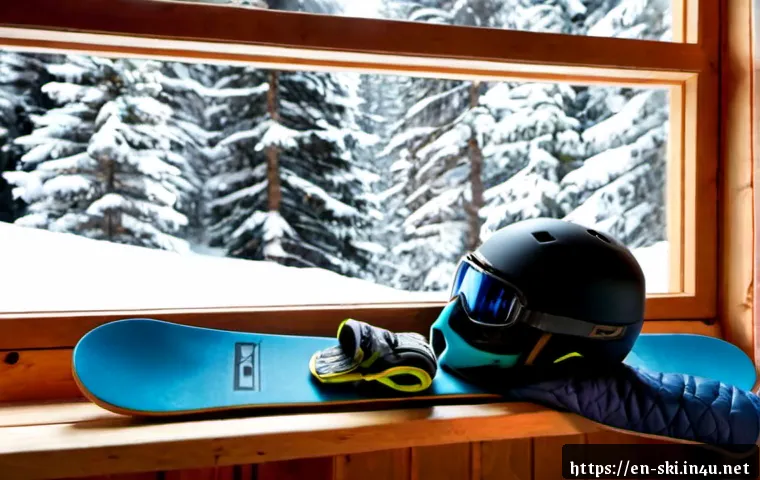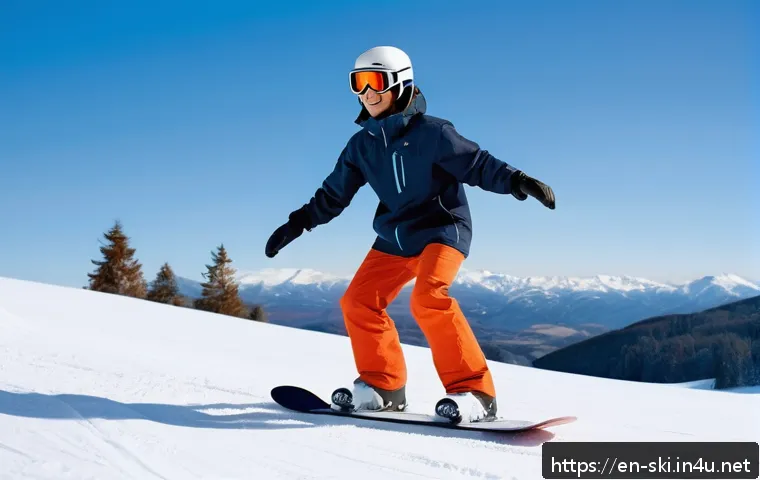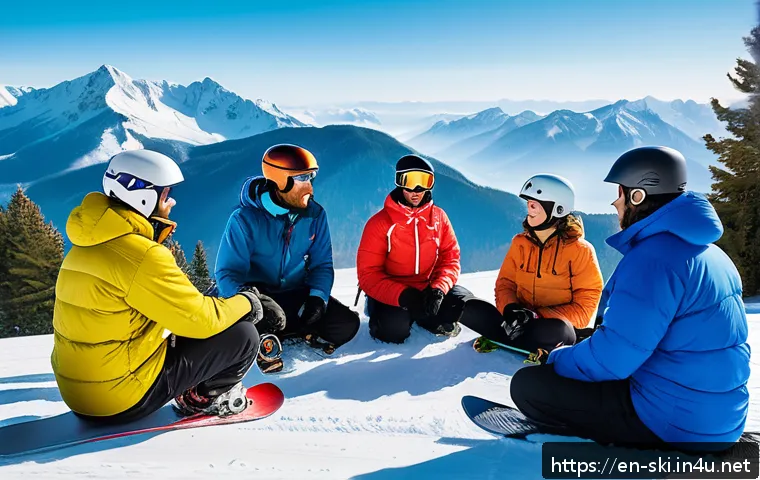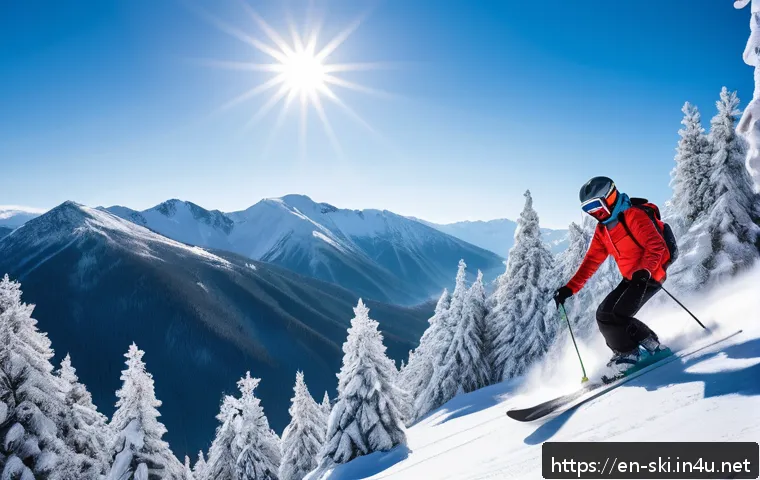
With winter sports season in full swing and resorts buzzing with eager adventurers, there’s never been a better time to plan your ultimate ski or snowboard getaway.
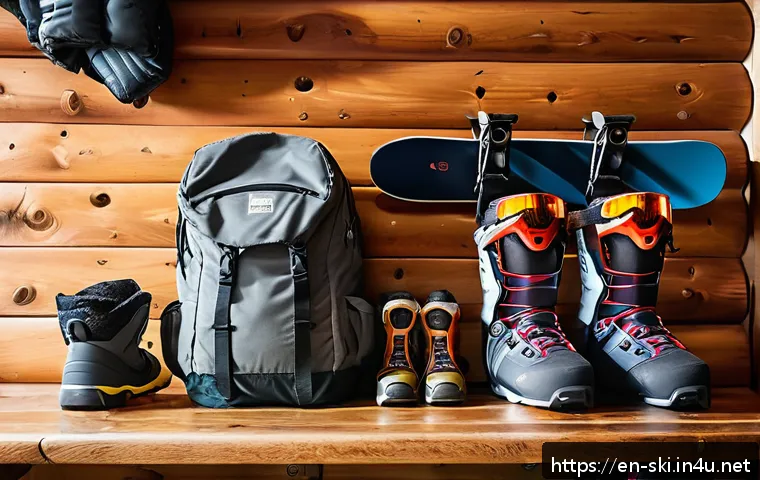
Whether you’re a seasoned pro or hitting the slopes for the first time, having a well-prepared checklist can make all the difference between a smooth trip and unexpected hassles.
From gear essentials to safety must-haves, I’ve gathered everything you need to pack smart and stay confident on the mountain. Trust me, after a few trips where I forgot a crucial item, this guide became my go-to for stress-free travel.
Ready to carve your best run yet? Let’s dive into the ultimate checklist that ensures your mountain adventure is nothing short of epic.
Choosing the Right Outerwear for Mountain Conditions
Layering Basics: How to Stay Warm and Dry
When packing for your ski or snowboard trip, understanding the concept of layering is crucial. I learned this the hard way after freezing during a powder day because I underestimated the chill.
Start with a moisture-wicking base layer—think synthetic or merino wool—to keep sweat off your skin. Next, add an insulating mid-layer like a fleece or lightweight down jacket that traps heat but remains breathable.
Finally, your outer shell needs to be waterproof and windproof, ideally with vents to regulate temperature when you’re working hard on the slopes. Remember, each layer serves a purpose and can be adjusted throughout the day depending on weather and activity levels.
Choosing the Best Jacket and Pants
Not all ski jackets and pants are created equal. Look for features like taped seams, adjustable cuffs, and ample pockets for your essentials. Personally, I prefer jackets with a powder skirt to prevent snow from sneaking in during deep runs.
Pants with reinforced cuffs help avoid damage from sharp edges on your skis or board. Fit is also important—too tight, and you restrict movement; too loose, and you lose heat.
If you’re renting gear, take some time to try on different options to find what feels comfortable and functional for your style of riding.
Essential Accessories to Complete Your Outfit
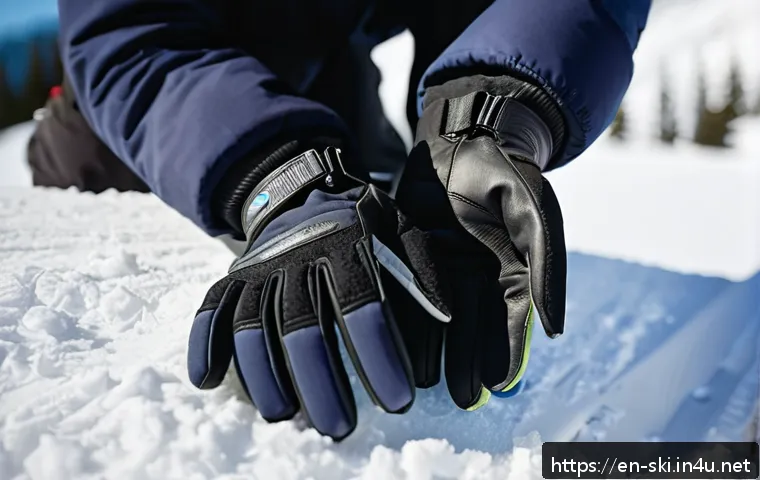
Gloves, hats, and neck gaiters might seem like small details, but they’re game-changers in cold conditions. I always carry an extra pair of gloves because wet hands can ruin your day.
Look for waterproof gloves with insulation and wrist straps to keep snow out. A helmet is non-negotiable for safety, but pairing it with a thin beanie or balaclava underneath adds extra warmth.
Don’t forget UV-protective goggles—mountain sun reflecting off the snow can be brutal on your eyes. A good pair of goggles with interchangeable lenses means you’re ready for any light condition, from bright sunshine to heavy snowfall.
Must-Have Gear for Performance and Safety
Skis, Snowboards, and Bindings: What to Check Before You Go
Whether you’re bringing your own skis or snowboard or renting at the resort, checking your equipment beforehand is essential. I’ve had trips where my bindings were loose, which threw off my balance and confidence.
Make sure your bindings are adjusted to your weight, height, and skill level. If you’re renting, ask the staff to double-check the setup. For your skis or board, inspect edges for sharpness and bases for damage.
A well-maintained board or skis glide better, giving you more control and less fatigue on the slopes.
Helmet and Protective Gear
Safety should never be an afterthought. A helmet isn’t just a trend; it’s a lifesaver. I used to skip wearing one but after a minor fall, I’m convinced it saved me from a serious injury.
Additionally, consider padded shorts or wrist guards, especially if you’re trying new tricks or tackling challenging terrain. These extras might feel cumbersome at first but can prevent painful injuries.
Always check that your helmet fits snugly without being uncomfortable and that straps are securely fastened.
Emergency Items to Keep in Your Backpack
Even if you’re planning a day of fun, being prepared for unexpected situations is smart. I always pack a small first-aid kit with blister plasters, pain relievers, and antiseptic wipes.
A multi-tool or ski-specific tool can help with quick fixes on bindings or poles. Including a compact emergency blanket or hand warmers is a bonus if the weather turns harsh or you get stuck waiting for help.
And don’t underestimate the power of extra snacks and water—mountain activities burn a ton of calories and dehydration sneaks up fast.
Footwear and Socks: Comfort That Lasts All Day
Choosing the Right Boots
Ski and snowboard boots can make or break your day. Ill-fitting boots cause blisters, numb toes, or worse, poor control on the mountain. When shopping or renting, spend time trying on boots with the socks you’ll actually wear.
I learned that thick ski socks don’t always mean better warmth; sometimes thinner, high-quality merino wool socks offer better comfort and moisture management.
Walk around in the boots to check for pressure points and make sure your toes have just enough wiggle room. Heat-moldable liners are a great option for a custom fit.
Socks That Work Wonders
Socks are often overlooked, but they’re the foundation of foot comfort. Avoid cotton socks as they trap moisture, leading to cold feet and blisters. Instead, choose socks specifically designed for skiing or snowboarding made from wool blends or synthetic fibers.
They provide cushioning in key areas like the shin and heel while keeping feet dry. I keep a couple of pairs handy in case the first gets damp from sweat or snow.
Trust me, dry, warm feet make a huge difference in your overall enjoyment.
Boot Care Tips
Taking care of your boots extends their life and keeps them performing well. After a day on the mountain, remove liners to air dry and avoid stinky buildup.
Use boot dryers if you have them, or stuff with newspaper overnight. Inspect buckles and straps regularly for wear and replace them before they fail unexpectedly.
If your boots feel stiff or lose support, consider professional boot fitting or repair rather than pushing through discomfort.
Planning Your Travel and Accommodation Smartly
Booking Lodging Close to the Slopes
Location matters more than you might think. Staying near the base of the mountain or close to ski lifts saves you precious energy and time. On my last trip, choosing a hotel just a few minutes’ walk from the lifts made early mornings and late afternoons much more enjoyable.
If you plan to ski or board multiple days, convenience adds up big time. Look for accommodations that offer ski storage or gear drying rooms—these amenities help keep your equipment in top shape.
Transportation Tips for Ski Trips
Getting to your destination can be a challenge, especially during peak season. I recommend booking shuttle services or car rentals well in advance to avoid last-minute price hikes or sold-out options.
If you’re flying, check baggage policies for ski and snowboard gear—some airlines have specific rules or fees. Renting a vehicle with four-wheel drive or snow tires is a must if you’re driving through mountain passes.
Also, familiarize yourself with local road conditions and weather forecasts to stay safe.
What to Pack for On- and Off-Mountain Activities
Your trip isn’t just about skiing or snowboarding. Pack comfortable clothes and shoes for exploring the village, dining out, or relaxing in a hot tub.
Layering works here too—mountain towns can be chilly at night but warm in the sun. Don’t forget essentials like sunglasses, sunscreen, and lip balm with SPF to protect against sunburn, which is surprisingly common at high altitudes.
A daypack with room for water, snacks, and extra layers helps you stay flexible and ready for anything.
Nutrition and Hydration Strategies for Peak Performance
Eating Right Before and During Skiing
Fueling your body properly can be the difference between an epic day and an early exit. Before hitting the slopes, I always eat a balanced breakfast with protein, healthy fats, and slow-release carbs—think eggs with avocado toast or oatmeal with nuts.
During the day, quick snacks like energy bars, nuts, or dried fruit keep my energy up without feeling heavy. Avoid sugary snacks that cause crashes, and try to eat small amounts regularly rather than a big lunch that can leave you sluggish.
Staying Hydrated at High Altitudes
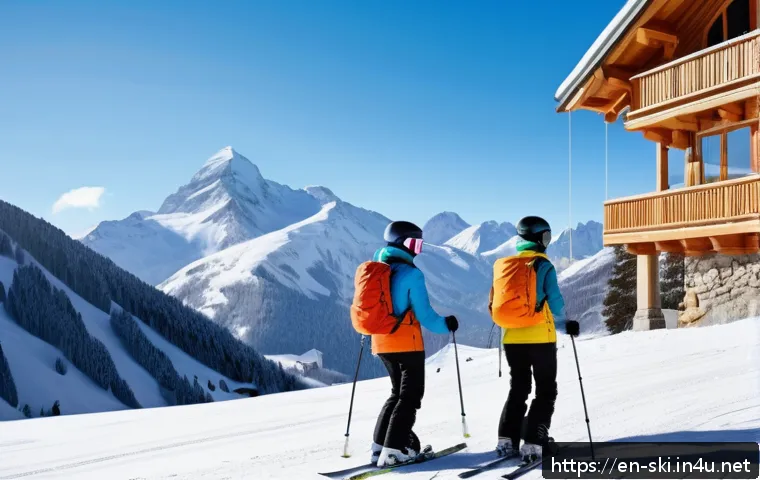
It’s easy to forget to drink water when you’re cold, but dehydration sneaks up fast, especially at altitude. I carry a hydration pack or water bottle and sip consistently throughout the day.
If you’re drinking alcohol or caffeine, balance it out with extra water. Signs of dehydration like headaches or fatigue can mimic altitude sickness, so staying hydrated is a simple way to avoid those symptoms.
Also, electrolytes help maintain balance, so consider drinks or tablets with sodium and potassium if you’re sweating a lot.
Post-Ski Meals for Recovery
After a long day carving turns, your muscles need proper nutrients to recover. I like meals rich in protein and carbs to replenish energy and repair muscle tissue—grilled chicken with quinoa and roasted veggies is a go-to.
Don’t skip stretching and foam rolling to reduce soreness. If you’re dining out, look for hearty soups or stews that warm you up and provide balanced nutrition.
Hydration continues to be key, so keep drinking water or herbal teas to help your body bounce back quickly.
Technology and Apps to Enhance Your Mountain Experience
Using Ski and Snowboard Apps
Apps have become a game-changer for planning and tracking your mountain days. I rely on apps that show real-time lift status, weather updates, and trail maps to avoid crowds and maximize riding time.
Some apps also track your runs, speed, and vertical feet, which is fun for sharing with friends or setting personal goals. Download your resort’s official app beforehand, and explore third-party options for added features like avalanche forecasts or social sharing.
Safety Apps and Avalanche Alerts
If you’re venturing off-piste or into backcountry areas, safety apps are essential. They provide avalanche danger levels, weather warnings, and even GPS tracking for your group.
I always activate location sharing with a trusted friend or family member when skiing in remote areas. Carrying a beacon, probe, and shovel is also a must if you go beyond patrolled runs.
Familiarize yourself with how to use these tools before your trip—it’s not just about gear but knowing how to respond in emergencies.
Battery Management and Charging Tips
Cold weather drains batteries faster than you expect. Keep your phone and other devices warm by storing them close to your body or inside insulated pockets.
Bring portable power banks, and consider waterproof cases to protect against moisture. If you’re using a GoPro or similar camera, pack extra batteries and swap them out regularly to capture every moment without missing a beat.
Charging options might be limited at remote lodges, so plan ahead and prioritize essential devices.
| Essential Item | Why It’s Important | Tips for Choosing or Using |
|---|---|---|
| Base Layers | Keeps sweat away and retains warmth | Choose moisture-wicking materials like merino wool or synthetic fibers |
| Helmet | Protects your head in falls or collisions | Ensure proper fit and secure straps; consider ventilation |
| Gloves | Keeps hands warm and dry | Opt for waterproof and insulated gloves with wrist straps |
| Ski/Snowboard Boots | Provides control and comfort | Fit is critical; try with actual socks and consider heat-moldable liners |
| Hydration Pack | Maintains hydration on the go | Look for insulated tubes to prevent freezing |
| Goggles | Protects eyes from UV and snow glare | Choose lenses based on weather conditions; consider interchangeable lenses |
| Emergency Kit | Prepares you for minor injuries or gear issues | Include first aid, multi-tool, hand warmers, and snacks |
Maintaining Your Equipment During the Trip
Daily Waxing and Edge Sharpening
A smooth ride depends on well-maintained gear. If you’re staying multiple days, I recommend carrying a small waxing kit or visiting the resort’s tuning shop regularly.
Waxing your skis or snowboard keeps the base fast and protected from damage. Sharpening edges is equally important for good grip on icy or hard-packed snow.
After a day of riding, wipe down your gear to remove moisture and dirt, which prolongs the life of your equipment.
Storing Gear Overnight
Where and how you store your skis or snowboard overnight impacts their performance. I always use ski racks or designated storage rooms to keep my gear upright and dry.
Avoid leaving equipment in a damp or cold garage where moisture can cause rust or damage. If you’re staying in a hotel or condo, look for heated storage options or use boot dryers to prevent stiffness and odors.
Quick Fixes and On-Mountain Repairs
Minor gear issues can pop up anytime, from loose screws to broken straps. Carrying a multi-tool designed for ski and snowboard adjustments saved me more than once.
Knowing how to tighten bindings or reattach straps keeps you riding longer without a frustrating trip back to the rental shop. For more serious problems, have the contact info for local repair shops handy so you can get professional help quickly.
Mindset and Preparation for a Fun, Safe Mountain Day
Setting Realistic Goals and Expectations
Whether it’s your first time or your tenth season, setting achievable goals helps keep your confidence and motivation high. I’ve learned not to push too hard on the first day to avoid burnout or injury.
Take time to warm up, practice techniques, and gradually increase difficulty. Celebrate small victories like mastering a tricky turn or riding a new trail.
Skiing and snowboarding are as much about enjoying the moment as they are about progression.
Knowing When to Rest and Seek Help
Listening to your body is just as important as gearing up right. Fatigue, dizziness, or persistent pain are signs to slow down or stop. Don’t hesitate to visit the resort’s medical center if you feel unwell or after a fall.
I once ignored a minor sprain and ended up sidelined for days. Resting and addressing injuries early helps you get back on the mountain faster and safer.
Embracing the Experience Beyond the Slopes
The mountain offers so much more than skiing and snowboarding. Take time to enjoy the scenery, meet fellow riders, and try other activities like snowshoeing or tubing.
Sharing stories over a hot drink in a cozy lodge creates memories that last far beyond the season. Remember, the best trips balance adrenaline with relaxation, making every moment unforgettable.
In Conclusion
Choosing the right gear and preparing thoughtfully can transform your mountain adventure into an unforgettable experience. From layering properly to caring for your equipment, every detail counts in keeping you comfortable, safe, and performing at your best. Remember, mountain days are about enjoying the journey as much as the destination. With these tips, you’re set to make the most of every run and every moment.
Helpful Tips to Remember
1. Always layer your clothing starting with moisture-wicking base layers to stay dry and warm throughout the day.
2. Invest time in finding well-fitting boots and outerwear that balance comfort and protection for long-lasting enjoyment.
3. Carry essential emergency items like a first-aid kit, multi-tool, and extra snacks to stay prepared for unexpected situations.
4. Prioritize hydration and nutrition by sipping water consistently and choosing balanced meals before and after skiing or snowboarding.
5. Use technology wisely by downloading resort apps and safety tools to enhance your mountain experience and stay informed.
Key Takeaways
Proper preparation is the foundation of a safe and enjoyable mountain trip. Layering clothing effectively, selecting gear that fits well, and maintaining equipment daily prevent discomfort and injury. Safety gear like helmets and emergency kits should never be overlooked, and staying hydrated and nourished supports peak performance. Planning lodging and transportation with convenience in mind saves energy and stress. Finally, balancing goals with rest ensures you stay motivated and healthy throughout your adventure.
Frequently Asked Questions (FAQ) 📖
Q: uestionsQ1: What are the absolute must-have items for a ski or snowboard trip?
A: From my experience, the essentials start with proper clothing layers—moisture-wicking base layers, an insulated mid-layer, and a waterproof outer shell are key to staying warm and dry.
Don’t forget your helmet and goggles for safety and visibility, plus gloves, neck gaiters, and a good pair of socks. I also always pack a small repair kit for quick fixes, sunscreen to protect against sunburn at high altitudes, and a hydration pack or water bottle to stay refreshed.
Trust me, missing just one of these can really throw off your day on the mountain.
Q: How can I prepare to stay safe while skiing or snowboarding?
A: Safety is all about preparation and awareness. Make sure you warm up properly before hitting the slopes to avoid injuries. Always wear a helmet—this is non-negotiable in my book.
Know your limits and stick to runs that match your skill level. It’s also wise to carry a small first aid kit and have a plan for emergencies, like knowing the resort’s ski patrol contact info.
I’ve learned the hard way that staying hydrated and taking breaks when you’re tired helps prevent accidents caused by fatigue.
Q: What’s the best way to avoid overpacking but still have everything I need?
A: Packing smart is a balancing act. I recommend making a detailed checklist based on your trip length and weather forecast. Focus on versatile clothing that can be layered and mixed.
For example, one pair of waterproof pants and jacket can last several days if aired out properly. Bring only one or two pairs of boots—one for the slopes and one comfortable pair for downtime.
Also, plan to do laundry if your trip is longer than a week. This approach saved me from lugging around heavy bags and made moving around the resort so much easier.