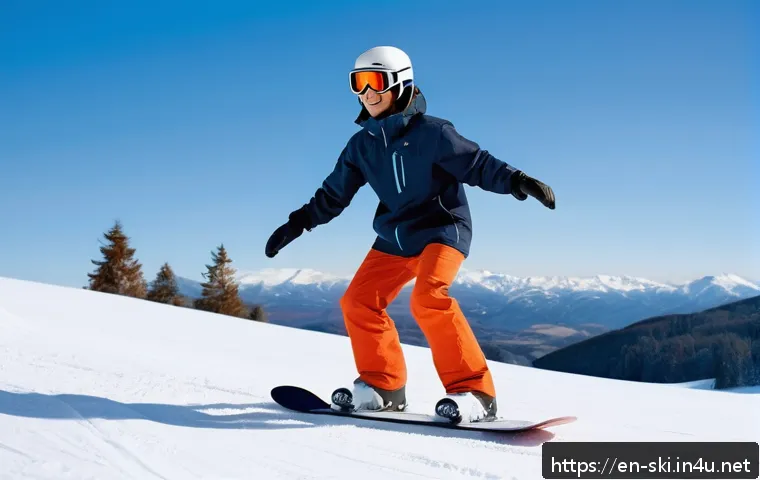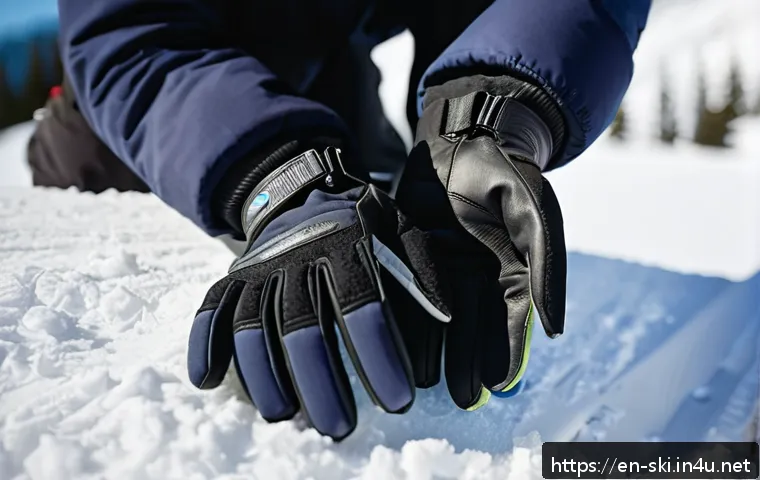
Winter sports enthusiasts know all too well how a single piece of gear can transform an entire day on the slopes. With this season’s unpredictable weather patterns and rising temperatures, choosing the right snowboard gloves is more crucial than ever.
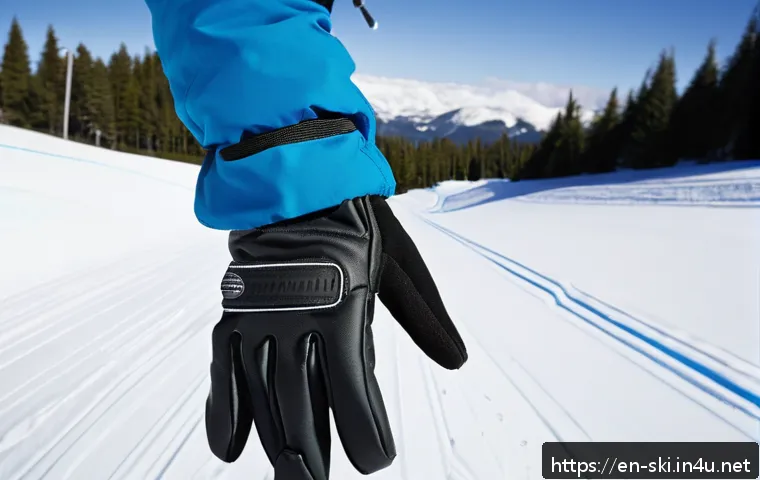
Not only do they keep your hands warm, but they also affect your grip, comfort, and overall performance. I’ve learned firsthand that the perfect pair can turn a frustrating outing into an unforgettable adventure.
Stick around as we dive into why your gloves might just be the game-changer you didn’t realize you needed this winter.
Choosing the Right Material for Ultimate Warmth and Durability
Insulation Types and Their Performance
When it comes to snowboard gloves, insulation is the heart of keeping your hands toasty. I’ve tried gloves with synthetic insulation like Thinsulate, and while they do a decent job, nothing beats the natural warmth and breathability of down.
However, down tends to lose its insulation when wet, so for snowy or slushy conditions, synthetic options are often a safer bet. Personally, I prefer gloves with a combination of both materials—synthetic insulation on the palm and down on the back—because it balances warmth with moisture resistance.
The key is to find gloves that provide consistent heat without making your hands sweat excessively, which can lead to coldness once you stop moving.
Outer Shell Fabrics and Water Resistance
The outer shell of your gloves plays a huge role in blocking wind and snow. Gore-Tex is a popular choice among seasoned riders for its waterproof and breathable qualities, but there are other materials like polyurethane coatings or nylon that also perform well at a lower price point.
From my experience, gloves with a solid waterproof membrane make a noticeable difference, especially during those unexpected snow showers or when you’re grabbing snow-covered rails.
The trade-off is that some waterproof fabrics can be less flexible, so it’s essential to test the fit and mobility before committing.
Reinforcements and Longevity
One thing I learned the hard way is that durability matters just as much as warmth. Gloves that lack reinforcement in high-wear areas like the palm, thumb, and fingertips tend to wear out quickly.
I look for gloves with leather or synthetic leather patches in these spots—they not only extend the glove’s life but also improve grip on your board and poles.
Reinforced stitching is another detail that shouldn’t be overlooked. Over the years, gloves with double-stitched seams have lasted me multiple seasons, while cheaper models often split after a few outings.
Fit and Flexibility: The Balance Between Comfort and Control
How Proper Fit Enhances Performance
I can’t stress enough how a proper fit transforms your experience on the slopes. Gloves that are too tight restrict blood flow, leading to cold fingers, while overly loose gloves let in drafts and reduce dexterity.
When trying on gloves, I always make sure I can wiggle my fingers freely but still feel snug around the wrist to prevent snow from sneaking in. Many brands offer adjustable wrist straps or cinches, which help keep the glove secure without cutting off circulation.
It’s a small detail that has made a huge difference in my comfort levels during long sessions.
Flexibility and Mobility for Trick Execution
If you’re into freestyle or park riding, flexibility is a game-changer. Gloves with pre-curved fingers or stretch panels on the knuckles make it easier to grab your board or execute rail tricks without feeling like you’re wrestling with your gear.
I’ve used gloves with a mix of spandex and neoprene inserts, and they provided excellent movement while maintaining warmth. It’s worth investing in gloves that don’t feel stiff, especially if you’re spending hours practicing grabs or spins.
Break-In Period and Long-Term Comfort
Don’t expect your gloves to feel perfect straight out of the box. Some materials need a break-in period to soften and conform to your hand shape. I usually wear new gloves around the house or during short outdoor trips before hitting the mountain hard.
This practice helps avoid blisters and stiffness. Over time, gloves that mold to your hand feel like a second skin, which is invaluable when you’re focused on performance rather than constantly adjusting your gear.
Grip Technology and Its Impact on Control
Materials That Boost Board Handling
When snowboarding, grip isn’t just about holding your board—it’s about confidence in every move. I’ve noticed that gloves with silicone-printed palms or textured rubber patches provide noticeably better control when handling your bindings or poles.
Leather palms, while stylish, can become slippery when wet, so I recommend hybrid designs that combine leather with rubberized grip zones. This combination has helped me maintain a solid hold even during wet or icy conditions.
Why Grip Matters Beyond the Slopes
Good grip isn’t limited to riding; it’s essential for safety too. Whether you’re climbing out of a tricky spot, adjusting gear, or simply holding onto a rail in the terrain park, gloves that slip can lead to mishaps.
I recall a day when my old gloves lost grip on an icy surface, causing me to stumble and lose time. Since upgrading to gloves with enhanced grip technology, I feel more secure in all aspects of my ride, which ultimately boosts my confidence and enjoyment.
Maintenance Tips to Preserve Grip Quality
To keep your gloves’ grip in top shape, regular cleaning is key. Dirt and grime can degrade silicone prints and rubber patches, making them less effective.
I usually wipe my gloves with a damp cloth after each use and avoid machine washing unless the manufacturer explicitly allows it. Also, storing gloves in a dry, ventilated area prevents moisture buildup, which can weaken grip materials over time.
Taking these small steps has extended the life of my gloves’ grip and saved me from unexpected slips.
Breathability and Moisture Management for All-Day Comfort
Why Breathability Can’t Be Overlooked
Even on the coldest days, your hands can sweat inside gloves, creating a damp environment that quickly turns uncomfortable. I learned this the hard way after a long run when my gloves felt soaked from the inside, making my fingers numb once I stopped moving.
Breathable fabrics like Gore-Tex or specialized membranes allow sweat to escape without letting snow or rain in. This balance keeps your hands dry and warm, which is crucial for maintaining dexterity and preventing frostbite.
Layering Systems and Liner Gloves
Sometimes, one layer isn’t enough. Using liner gloves under your main gloves can add warmth and improve moisture management. I’ve found that thin, moisture-wicking liners made of merino wool or synthetic fibers work best because they pull sweat away from your skin.

Plus, liners make it easier to dry your gloves overnight by separating the layers. This system has saved me from cold, clammy hands during multi-day trips when drying conditions were less than ideal.
Ventilation Features to Look For
Some gloves come with built-in ventilation options like zippered vents or mesh panels. While these are more common in warmer weather gloves, I’ve used gloves with adjustable vents during spring sessions when temperatures fluctuate.
Opening vents on sunny afternoons helps release excess heat and moisture, preventing your hands from overheating. Conversely, closing them during colder spells locks in warmth.
This versatility adds comfort and extends the usability of your gloves across different conditions.
Adjustability and Custom Features That Make a Difference
Wrist Straps and Cinches for Secure Fit
A glove that slips off or lets snow inside is more than an annoyance—it’s a distraction that can ruin your day. Adjustable wrist straps or cinches are simple but effective features that I always look for.
They create a seal that keeps snow out and warmth in. During one particularly windy day, I noticed my gloves without wrist adjustments kept filling with snow, forcing me to stop and shake them out repeatedly.
Since switching to gloves with secure wrist closures, I haven’t had that problem.
Touchscreen Compatibility for On-the-Go Convenience
In today’s world, being able to use your phone without taking off your gloves is a huge plus. Many modern snowboard gloves include touchscreen-compatible fingertips, which I found surprisingly accurate and responsive.
This feature lets me snap photos, check trail maps, or text friends without exposing my hands to freezing air. While not a necessity, it’s one of those small conveniences that adds up during a day on the mountain.
Removable Liners and Replaceable Parts
Gloves are an investment, so features that extend their lifespan are worth considering. Removable liners allow for easier cleaning and drying, which keeps the gloves fresher and more comfortable over time.
Some gloves even offer replaceable palms or wrist straps, which means you don’t have to toss the whole glove if one part wears out. I’ve appreciated this modular design during seasons when my gloves took a beating but still had plenty of life left in the shell.
Price Versus Performance: Finding the Sweet Spot
What to Expect at Different Price Points
Snowboard gloves come in a wide range of prices, and I’ve tested models from budget-friendly to high-end. Entry-level gloves usually cover basic warmth and waterproofing but may skimp on durability and advanced features like reinforced palms or adjustable vents.
Mid-range gloves tend to hit the sweet spot, offering a solid balance of comfort, protection, and longevity. High-end gloves often include premium materials like Gore-Tex membranes, top-tier insulation, and technical features that can make a noticeable difference in performance.
When to Splurge and When to Save
In my experience, spending more upfront on gloves that last multiple seasons is smarter than buying cheap pairs that wear out quickly. That said, if you’re a casual rider or only hit the slopes a few times a year, a mid-range glove might be all you need.
For frequent riders or those tackling extreme conditions, investing in top-tier gloves pays off with better warmth, durability, and comfort. Think of gloves as a critical piece of your safety gear—cutting corners here often leads to discomfort and frustration.
Comparing Features and Prices
| Price Range | Key Features | Best For | Typical Lifespan |
|---|---|---|---|
| $30 – $60 | Basic insulation, waterproof coating, limited reinforcements | Casual riders, beginners | 1-2 seasons |
| $60 – $120 | Enhanced insulation, waterproof membranes, reinforced palms, adjustable wrist straps | Intermediate riders, regular users | 3-4 seasons |
| $120+ | Premium insulation (down or advanced synthetics), Gore-Tex or equivalent, touchscreen compatible, replaceable parts | Advanced riders, extreme conditions | 5+ seasons |
In Closing
Choosing the right snowboard gloves is essential for a comfortable and safe experience on the slopes. Prioritizing materials, fit, and grip can dramatically improve your performance and enjoyment. Remember, investing in quality gloves pays off in warmth, durability, and overall satisfaction. With the right pair, your hands will stay protected no matter the weather conditions.
Helpful Tips to Keep in Mind
1. Always try gloves on with your typical base layers to ensure the fit is snug but allows finger movement without restriction.
2. Consider gloves with hybrid insulation materials to balance warmth and moisture resistance for varying snow conditions.
3. Look for reinforced palms and double-stitched seams to extend the lifespan of your gloves and improve grip.
4. Use liner gloves for added warmth and moisture management, especially on multi-day trips.
5. Maintain your gloves by cleaning grip surfaces regularly and storing them in a dry, ventilated place to preserve performance.
Key Takeaways for Choosing Snowboard Gloves
Durability and warmth should go hand in hand when selecting gloves—don’t sacrifice one for the other. Proper fit and flexibility are critical for both comfort and control, especially during technical riding. Grip technology isn’t just a bonus; it’s a safety feature that enhances confidence on and off the board. Finally, investing according to your riding frequency and conditions ensures you get the best value without compromising on essential features.
Frequently Asked Questions (FAQ) 📖
Q: How do I choose the right snowboard gloves for unpredictable winter weather?
A: When picking snowboard gloves for variable winter conditions, prioritize waterproof and breathable materials like Gore-Tex or similar membranes. These keep your hands dry without causing sweat buildup.
Look for insulation that balances warmth without bulkiness—synthetic insulation often performs better in wet conditions. Also, consider gloves with adjustable cuffs and wrist straps to seal out snow and cold air.
I found that gloves combining these features let me stay comfortable all day, even when the weather suddenly shifted from sunny to snowy.
Q: Can the right gloves really improve my grip and control on the snowboard?
A: Absolutely! Gloves with textured or reinforced palms and fingers enhance your grip on your board and bindings. This is especially helpful when you need to adjust straps or hold your board during breaks.
I noticed that gloves with silicone or leather patches gave me better control and confidence, reducing slips and fumbling that can ruin a run. So, investing in gloves designed for grip isn’t just about comfort—it directly impacts your performance on the slopes.
Q: How do I know if my snowboard gloves fit properly?
A: Proper fit is key to both warmth and dexterity. Your gloves should feel snug but not tight, allowing full finger movement without pinching. Too loose, and cold air sneaks in; too tight, and circulation suffers, making your hands cold.
When trying gloves on, simulate movements like grabbing your board or adjusting gear to ensure flexibility. From my experience, gloves that fit well keep your hands cozy and responsive, making a noticeable difference in how you handle your snowboard throughout the day.