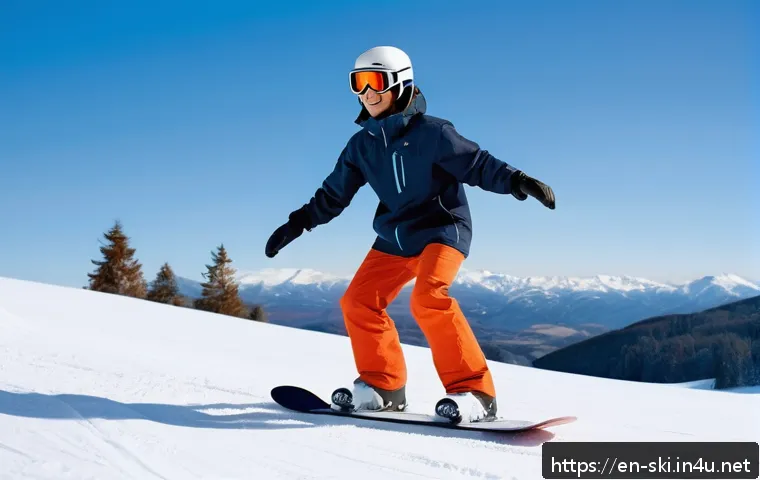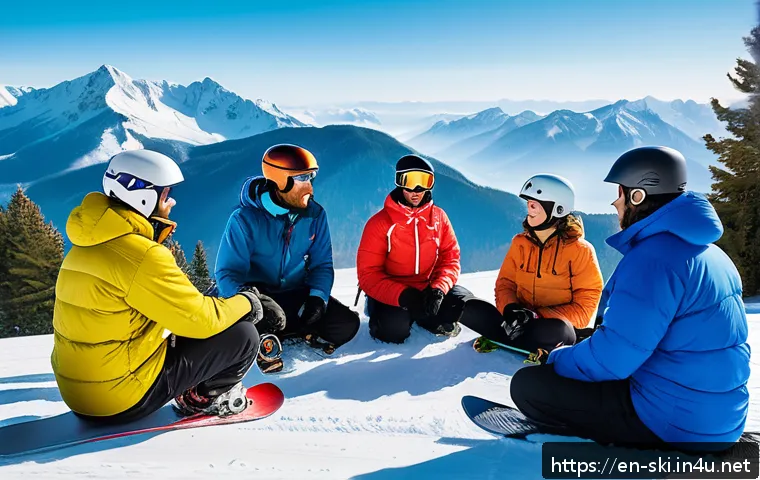
With winter sports gaining more popularity than ever, choosing the right gear can feel overwhelming, especially when deciding between skiing and snowboarding.
Whether you’re a seasoned rider or hitting the slopes for the first time, understanding what equipment truly matters can save you time, money, and frustration.
In this post, I’ll break down the essential gear for both skiing and snowboarding, helping you make an informed choice for your next mountain adventure.
Plus, I’ll share some insider tips from my own experiences that you won’t want to miss. Ready to gear up smartly and shred with confidence? Let’s dive in!
Understanding the Core Differences in Footwear
Boot Design and Support
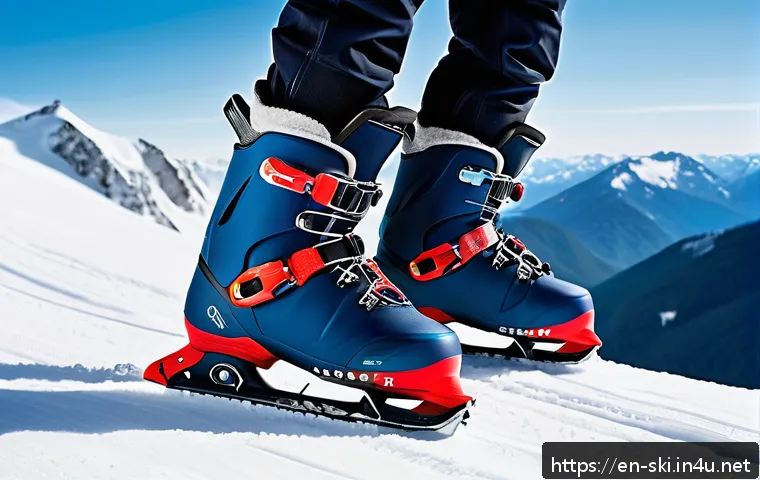
When it comes to footwear, skiing and snowboarding boots have fundamentally different designs tailored to their unique movements. Ski boots are rigid and provide firm ankle support to maintain precise control over two separate skis.
This stiffness can feel a bit restrictive at first, but it’s crucial for carving turns on groomed trails. Snowboard boots, on the other hand, offer a softer, more flexible fit that allows for lateral movement and comfort during tricks and freestyle riding.
From personal experience, I noticed that snowboard boots feel more like wearing a bulky sneaker, whereas ski boots demand some getting used to but reward you with stability on hard-packed snow.
Binding Compatibility and Comfort
Boots don’t work in isolation—they must match your bindings perfectly. Ski boots require specific bindings that lock in the toe and heel securely, ensuring your skis respond instantly to your movements.
Mismatched boots and bindings can cause discomfort or dangerous releases. Snowboard bindings are generally strap-in designs that offer more adjustability, accommodating different boot sizes and styles.
I’ve often adjusted my snowboard bindings on the fly to fine-tune comfort and responsiveness, something less common in skiing gear.
Impact on Performance and Safety
Footwear choice directly affects your performance and safety. Rigid ski boots provide excellent power transfer but can lead to foot fatigue if not properly fitted.
Snowboard boots’ flexibility offers comfort but might sacrifice some precision on icy slopes. Investing in custom footbeds or professional boot fitting can make a huge difference, especially if you spend several hours on the mountain.
I once ignored this advice and ended up with sore feet by midday—lesson learned!
Choosing the Right Outerwear for Your Ride
Layering Strategies for Skiers and Snowboarders
Layering is key to staying warm and dry, but the approach varies slightly between skiing and snowboarding. Skiers often benefit from moisture-wicking base layers and insulated mid-layers that trap heat without bulk, as their movements tend to be more linear and consistent.
Snowboarders, who frequently sit or fall on the snow, may prefer thicker, more waterproof outer layers and reinforced pants to withstand abrasion. I found that investing in breathable, waterproof shells made my days much more enjoyable, no matter which sport I was doing.
Jacket and Pant Features That Matter
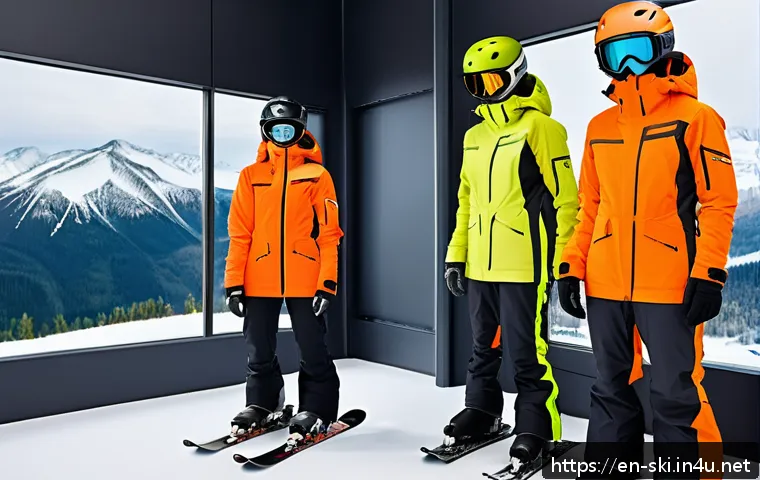
Look for technical features like ventilation zippers, adjustable hoods, and snow skirts in jackets, which help regulate temperature and keep snow out during falls.
Pants with reinforced cuffs and articulated knees improve mobility and durability, especially for snowboarders who often slide on their edges. I remember choosing pants with reinforced cuffs after a nasty scrape on the slope, and that extra protection saved me from tears and cold drafts.
Balancing Style and Functionality
While style is subjective, it’s not just about looks—visibility and comfort play a role in safety and enjoyment. Bright colors or reflective details help others spot you on crowded slopes, and well-placed pockets keep essentials accessible.
My personal wardrobe leans towards bold colors for visibility, and I’ve noticed it gives me a little confidence boost, too!
Essential Equipment: Skis vs. Snowboards Explained
Types of Skis and Their Purposes
There’s a wide variety of skis designed for different terrain and skill levels, from all-mountain skis to powder-specific models. All-mountain skis are versatile, perfect for beginners and intermediates exploring groomed runs and some off-piste.
Powder skis are wider for better floatation in deep snow, while carving skis have a narrow waist to make sharp turns easier. I once rented a pair of powder skis during a fresh snowfall, and the difference was night and day compared to my all-mountain setup.
Snowboard Styles to Match Your Riding
Snowboards come in several styles such as freestyle, freeride, and all-mountain boards. Freestyle boards are shorter and more flexible, great for park tricks and jumps.
Freeride boards tend to be longer with directional shapes for stability at higher speeds and deep snow. All-mountain boards strike a balance, suitable for varied terrain.
My first board was an all-mountain type, and it helped me figure out what style I preferred before committing to a more specialized setup.
Choosing Based on Terrain and Skill Level
Matching your equipment to where and how you ride is crucial. Beginners will want forgiving, easy-to-turn skis or boards that boost confidence and reduce falls.
Advanced riders often select gear that maximizes control and performance in their preferred environments, like steep slopes or terrain parks. I recommend demoing different equipment before buying; rentals or demo days at resorts are perfect for this.
Helmets and Protective Gear: What You Need to Know
Helmet Technology and Fit
Modern helmets have come a long way in terms of safety and comfort. Look for helmets with MIPS (Multi-directional Impact Protection System) technology that helps reduce rotational forces during falls.
Proper fit is essential—too tight and it’s uncomfortable, too loose and it won’t protect properly. I remember borrowing a helmet that was too big once, and that uneasy feeling stayed with me all day.
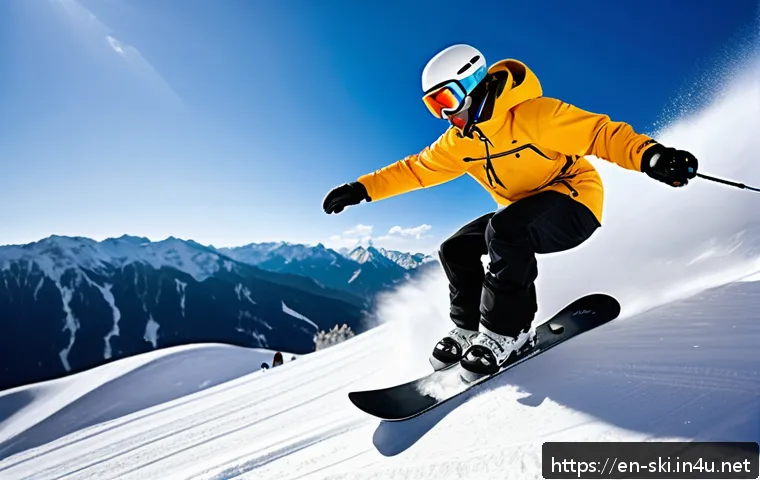
Additional Safety Gear: Wrist Guards and Pads
Snowboarding often involves more falls on hands and wrists, so wrist guards can be a game changer, especially for beginners. Skiers might prioritize back protectors or padded shorts for high-speed crashes.
I started using wrist guards after a minor wrist sprain, and it gave me peace of mind to push my limits without fear.
Balancing Protection and Mobility
It’s tempting to pile on protection, but too much can restrict movement and reduce your enjoyment. Finding gear that offers a good balance between safety and flexibility is key.
Lightweight, impact-absorbing materials help keep you nimble on the slopes. From experience, I prefer slim-fitting pads that don’t interfere with my range of motion.
How to Choose Bindings That Boost Your Performance
Binding Types and Their Benefits
Ski bindings come in alpine, touring, and race variants, each designed for specific uses. Alpine bindings prioritize stability and power transfer for downhill skiing, while touring bindings allow heel lift for uphill climbing.
Snowboard bindings are mainly strap-in or rear-entry, with some newer models emphasizing quick entry. I’ve tried rear-entry bindings for convenience, but I prefer strap-ins for the customizable fit and control.
Adjusting Binding Settings for Safety
DIN settings on ski bindings determine how easily your boots release during a fall. It’s crucial to get this setting right based on your weight, height, and skill level to avoid injury.
Snowboard bindings don’t have DIN settings but rely on proper strap tension and positioning. I recommend having a professional set up your bindings to avoid painful mishaps.
Maintenance Tips for Longevity
Regularly checking your bindings for wear and tear, cleaning off snow and ice, and lubricating moving parts will extend their lifespan and ensure reliability.
I learned this the hard way after a binding failure mid-run; now, I inspect mine every time I hit the slopes.
Comparing Skiing and Snowboarding Gear Costs
Initial Investment and Long-Term Expenses
Upfront costs can vary significantly between skiing and snowboarding gear. Ski setups often require more pieces—skis, boots, poles, and bindings—adding to the initial price.
Snowboarding gear is generally more straightforward, with the main components being the board, boots, and bindings. However, maintenance costs for both can add up over time with tuning, waxing, and occasional repairs.
Rental vs. Buying: What Makes Sense?
If you’re new to winter sports, renting gear is a smart choice to try both skiing and snowboarding without heavy investment. For frequent riders, purchasing quality gear tailored to your style and preferences is more cost-effective and enjoyable.
I started renting for a couple of seasons before deciding to buy my own gear, which felt like a game-changer for my confidence and comfort.
Budgeting Tips and Smart Shopping
Look for end-of-season sales, demo days, and secondhand options to score high-quality gear at a discount. Prioritize fit and safety over flashy features.
I once snagged a lightly used snowboard package for half price, and it performed just as well as brand new gear. Patience and research pay off!
| Gear Type | Skiing | Snowboarding | Typical Price Range (USD) |
|---|---|---|---|
| Boots | Rigid, ankle support | Flexible, cushioned | $200 – $600 |
| Bindings | Toe and heel lock-in | Strap-in or rear-entry | $100 – $300 |
| Main Equipment | Skis, poles | Snowboard | $300 – $1000 |
| Outerwear | Technical jackets, insulated pants | Waterproof, reinforced pants | $150 – $500 |
| Protective Gear | Helmet, back protector | Helmet, wrist guards | $50 – $200 |
Closing Thoughts
Choosing the right gear for skiing or snowboarding can truly transform your experience on the mountain. Understanding the differences in boots, bindings, and outerwear helps you perform better and stay safer. Whether you’re a beginner or a seasoned rider, investing time in selecting and fitting your equipment pays off in comfort and confidence. Remember, the right gear not only enhances your skills but also makes your time on the slopes more enjoyable.
Helpful Tips to Keep in Mind
1. Always prioritize proper fit when selecting boots and bindings to avoid discomfort and injury.
2. Layer your clothing based on activity type—skiers benefit from lighter insulation, while snowboarders may need more durable outerwear.
3. Test different types of skis or snowboards through rentals or demos to find what suits your style and terrain preferences.
4. Don’t overlook protective gear like helmets with MIPS and wrist guards, especially if you’re new to the sport.
5. Keep your equipment well-maintained by regularly checking bindings and cleaning gear to ensure safety and longevity.
Key Takeaways
Investing in the right footwear and outerwear tailored to your chosen sport is essential for performance and comfort. Proper binding compatibility and adjustment play a critical role in safety on the slopes. Balancing protection with mobility allows for both confidence and freedom of movement. Smart budgeting, including trying before buying and looking for deals, can make high-quality gear more accessible. Ultimately, knowledge and preparation lead to a more rewarding skiing or snowboarding experience.
Frequently Asked Questions (FAQ) 📖
Q: uestionsQ1: What are the must-have gear items for beginners in skiing and snowboarding?
A: For beginners, the essentials boil down to a good pair of boots, the right board or skis, and proper bindings. In skiing, lightweight and comfortable boots that fit well are key, paired with skis that aren’t too long or aggressive—this helps you maneuver easily.
For snowboarding, a soft to medium flex board and boots that offer solid ankle support are ideal. Don’t overlook helmets and goggles for safety and visibility, especially when you’re still getting your balance.
From my experience, investing in rental gear first can help you figure out your preferences without overspending.
Q: How do I decide whether to start with skiing or snowboarding?
A: It really depends on your personal preferences and what kind of experience you’re looking for. Skiing tends to be easier to pick up initially for many because your feet move independently, which feels more natural if you’ve walked or run before.
Snowboarding, on the other hand, can have a steeper learning curve at first but feels more fluid once you get the hang of it. I remember when I started snowboarding, those first few falls were rough, but once I found my balance, the ride was incredibly rewarding.
Try renting both if possible and see which feels more fun and comfortable for you.
Q: What should I prioritize when buying gear to ensure long-term satisfaction?
A: Durability and fit should top your list. Gear that fits well not only boosts your performance but also prevents injuries and discomfort. I’ve seen people buy flashy equipment only to return it because it didn’t feel right on the slopes.
Also, consider the terrain and conditions you’ll mostly ride in—powder, groomed trails, or park features—and pick gear tailored to that style. Spending a bit more upfront on quality items can save you money down the road since they’ll last longer and perform better.
Lastly, don’t ignore safety gear like helmets and wrist guards—they’re game-changers for peace of mind and confidence.