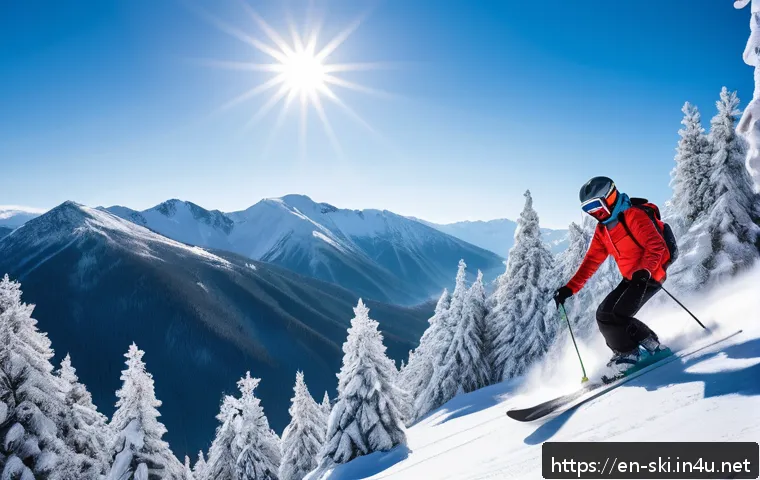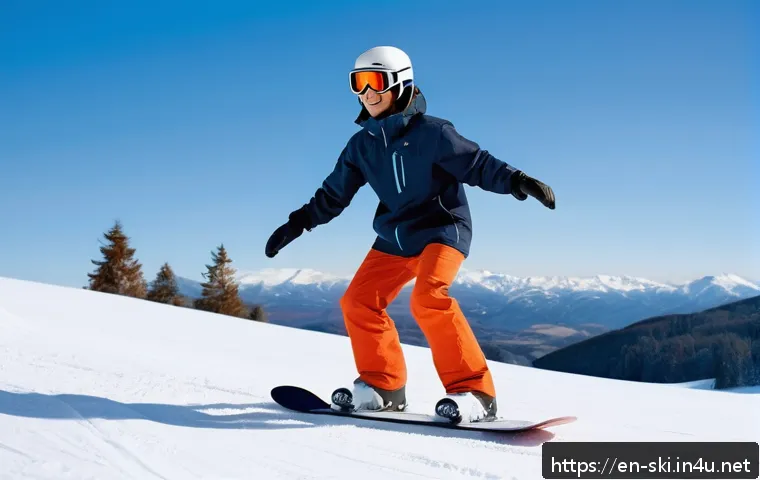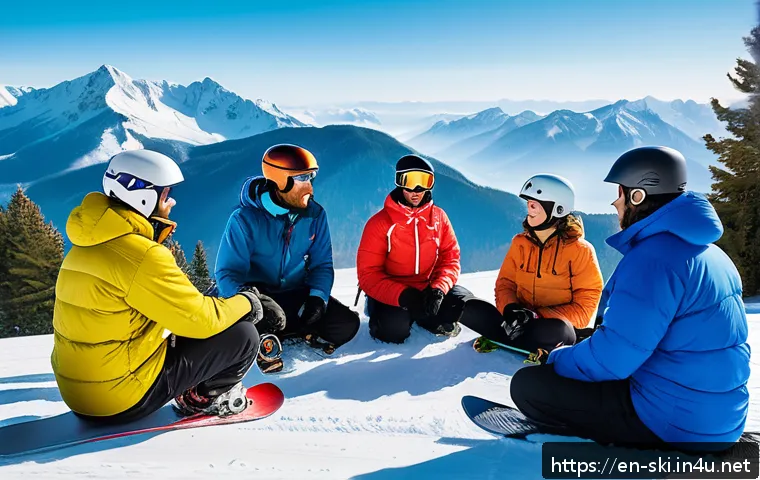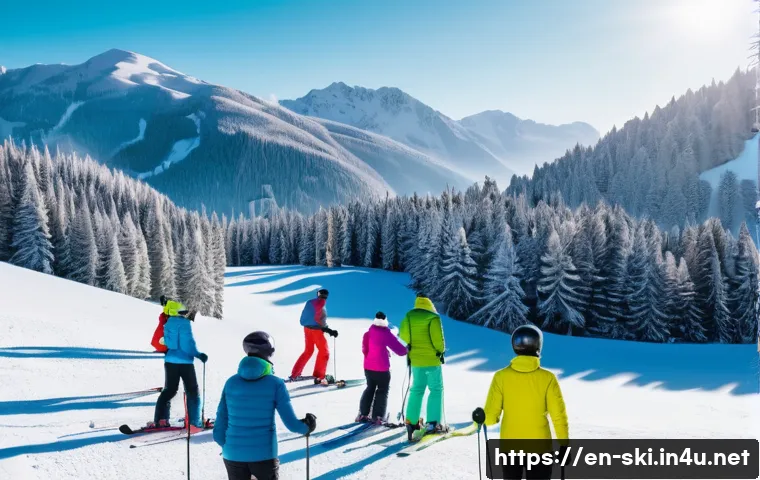
Planning a ski trip can feel both thrilling and overwhelming, especially when you want to make the most of your time on the slopes. From choosing the perfect destination to packing the right gear, every detail counts.
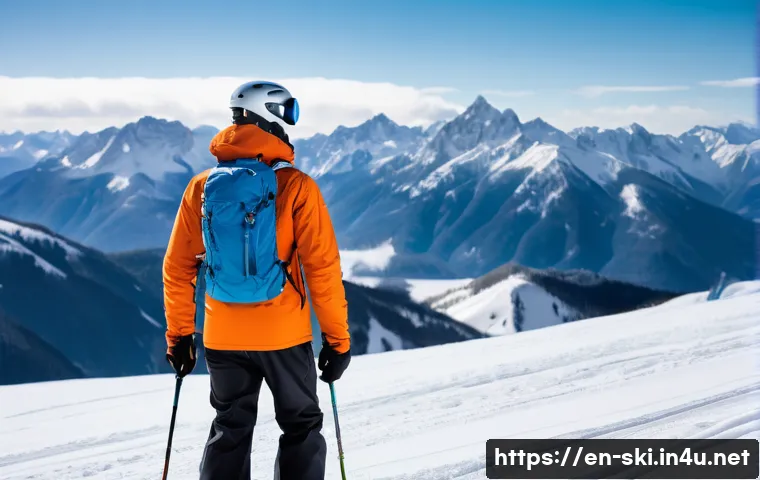
Whether you’re a seasoned skier or a first-timer, having a solid plan can turn your getaway into an unforgettable adventure. Plus, staying updated on the latest ski resort trends and safety tips can really enhance your experience.
If you’re ready to carve through fresh powder and enjoy the winter wonderland, let’s dive into all the essentials you need to know. I’ll walk you through everything step by step!
Choosing the Right Ski Destination for Your Style
Evaluating Terrain and Difficulty Levels
When picking a ski resort, it’s crucial to match the terrain with your skill level. If you’re a beginner, look for resorts known for gentle slopes and excellent ski schools.
Resorts like Breckenridge or Park City offer a variety of green runs and patient instructors that make learning enjoyable. On the other hand, advanced skiers might prefer challenging black diamonds and off-piste options found in places like Jackson Hole or Whistler Blackcomb.
I remember my first trip to a mountain that was way too advanced — it was a humbling experience that taught me the importance of choosing the right difficulty to keep the fun alive without risking injury.
Checking trail maps and resort descriptions ahead of time can save you from frustration once you’re there.
Considering Accessibility and Travel Time
Travel logistics often get overlooked but can make or break your trip. A resort that’s a quick two-hour drive from the nearest airport might be more appealing than one requiring multiple transfers or a long shuttle ride.
If you’re traveling with family or a group, convenience becomes even more important. For example, Aspen and Vail in Colorado are popular for their accessibility via Denver International Airport, coupled with reliable transportation options.
In contrast, some European resorts might offer amazing skiing but require longer travel times, which could eat into your actual skiing hours. I always try to balance the allure of a dream destination with how much time I want to spend getting there.
Seasonal Considerations and Snow Conditions
The timing of your trip impacts snow quality and crowd levels. Early season skiing can be hit or miss, with variable snow coverage and fewer open runs, while late-season skiing may offer softer snow but warmer weather.
Mid-winter, from December through February, tends to be the sweet spot for consistent powder and fully operational lifts. Resorts like St. Anton or Chamonix are renowned for their reliable snowfall, but they also attract large crowds during peak holidays.
On one trip, I scheduled my vacation just after the New Year rush and found the slopes less congested, which made my runs much more enjoyable. Always check recent snow reports and weather forecasts before booking.
Essential Gear and Packing Tips for Comfort and Safety
Layering Smartly for Variable Weather
Skiing is an activity where proper layering can make a huge difference in comfort. I’ve learned that packing moisture-wicking base layers, a warm mid-layer like fleece, and a waterproof shell is the best approach.
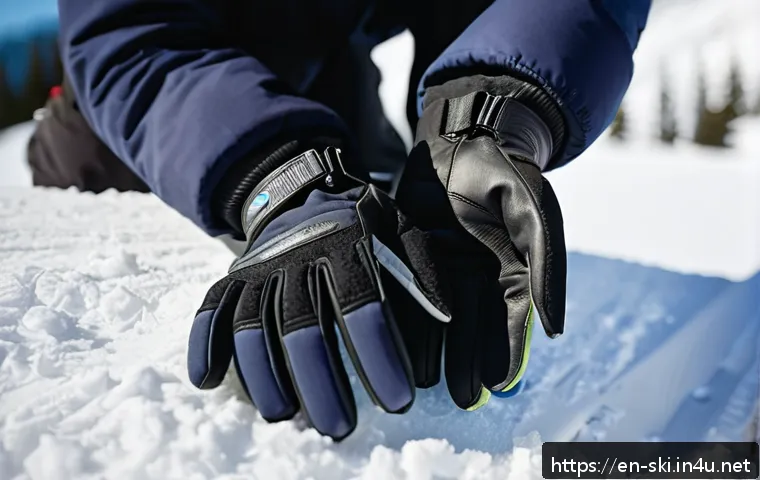
Avoid cotton as it traps moisture and chills you quickly. Don’t forget accessories like insulated gloves, neck gaiters, and thermal socks — these small details keep you cozy and prevent frostbite.
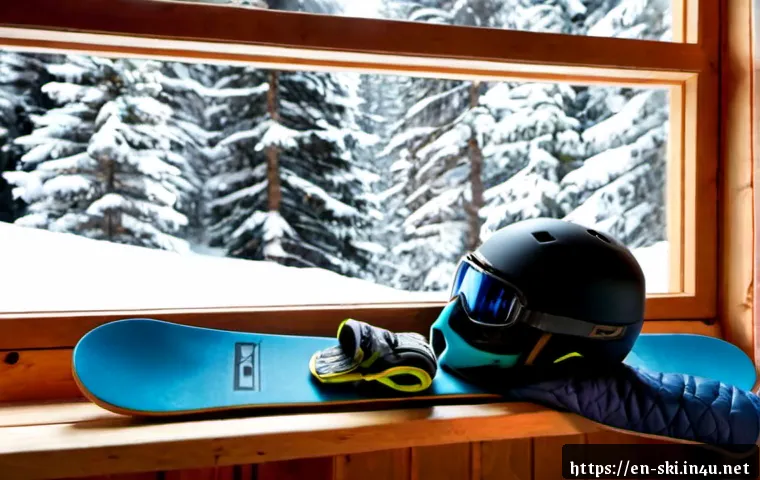
Also, packing a helmet and goggles with interchangeable lenses can help you adapt to changing light conditions throughout the day. I usually bring a lightweight backpack with extra layers and snacks for quick mid-run refueling.
Choosing the Right Equipment
Deciding whether to rent or bring your own gear depends on convenience and budget. Renting can be a lifesaver if you’re traveling light or trying out skiing for the first time.
Most resorts offer high-quality rental packages that include skis, boots, and poles. However, experienced skiers often prefer using their own equipment for better performance and comfort.
When I brought my own skis on a trip, I noticed a significant improvement in control and confidence on steep terrain. Make sure your boots fit well and your bindings are properly adjusted to avoid discomfort or accidents.
Must-Have Safety Gear and Technology
Safety should never be an afterthought. Besides a helmet, consider avalanche beacons, probes, and shovels if you plan to ski off-piste or in backcountry areas.
Many resorts now offer avalanche safety courses, which I found invaluable before venturing beyond groomed trails. Additionally, GPS trackers and smartphone apps that share your location with friends or family can be reassuring, especially in remote areas.
It’s also smart to carry a small first aid kit and stay hydrated by bringing a water bottle or hydration pack.
Planning Your Daily Ski Itinerary Efficiently
Maximizing Morning Runs and Avoiding Crowds
Getting an early start is one of the best ways to enjoy fresh powder and quieter slopes. I’ve noticed that hitting the lifts right at opening time often means shorter lines and pristine snow conditions.
Many resorts open lifts as early as 8:30 AM, so setting an alarm and having your gear ready the night before can make mornings smoother. If you’re staying in a nearby town, try to book accommodations that offer quick access to the slopes to save precious minutes.
Also, scouting the mountain map in advance helps you plan routes that avoid popular bottlenecks.
Incorporating Breaks and Meal Planning
Skiing is physically demanding, so pacing yourself throughout the day is key. Plan to take breaks for snacks and hydration every couple of hours to maintain energy levels.
Many resorts have on-mountain dining options, but these can be pricey and crowded during peak hours. Packing your own high-energy snacks like nuts, granola bars, and dried fruit can keep you fueled without the hassle.
For lunch, I often opt to head back to the village to enjoy a warm meal and rest, which also gives me a chance to explore local culture and shops.
Balancing Ski Time with Other Activities
Sometimes taking a break from skiing to try other activities can enhance your overall trip experience. Resorts often offer snowshoeing, ice skating, or spa services.
One winter, I took a half-day off skiing to try snowmobiling, which was a thrilling way to see the mountain from a different perspective. Evening events like torchlight parades or live music can also add a festive touch.
Planning these diversions in advance allows you to enjoy a balanced itinerary without feeling rushed or exhausted.
Understanding Weather and Snow Reports Like a Pro
Decoding Snowfall and Temperature Data
Interpreting weather reports is an art that can save you from unpleasant surprises. Look beyond just the amount of snowfall; consider the temperature trends and wind conditions.
Cold, dry weather often means lighter, fluffier powder, while warmer temperatures can create heavier, wetter snow that’s more tiring to ski on. I’ve found that tracking the freeze-thaw cycles helps predict when slopes will be icy or soft.
Apps like OpenSnow provide detailed forecasts and user reports that are more reliable than general weather sites.
Using Avalanche Forecasts for Safety
Avalanche conditions vary daily, and checking forecasts is vital if you plan to ski off-piste. Most mountain regions have dedicated avalanche centers that publish danger ratings and safety tips.
Understanding the levels—from low to extreme—and what they mean in practice can inform your decision to ski certain areas or stay on groomed trails. I always cross-reference avalanche bulletins with recent snow history and weather changes before heading out.
When in doubt, consulting local guides or resort patrols can provide real-time advice.
Adjusting Plans Based on Weather Changes
Flexibility is your friend when dealing with mountain weather. Storms can roll in quickly, impacting visibility and safety. On one trip, a sudden snowstorm forced me to cut short my skiing and enjoy the cozy lodge instead.
While initially disappointing, it turned into a memorable experience with hot cocoa and new friends. Always have a backup plan for indoor activities or alternative runs that are safer during poor conditions.
Carrying appropriate gear like goggles with low-light lenses and extra layers can help you adapt on the fly.
Budgeting Your Ski Trip Without Sacrificing Fun
Smart Accommodation Choices
Where you stay can significantly affect your budget and convenience. Ski-in/ski-out lodges offer amazing access but often come at a premium price. Alternatively, staying in nearby towns with shuttle services can save money without sacrificing too much convenience.
I’ve had great experiences booking vacation rentals or boutique hotels a short drive from the slopes, which also gave me a chance to explore local dining and nightlife.
Booking early and looking for package deals can also yield savings.
Finding Deals on Lift Tickets and Rentals
Lift tickets are often the most expensive part of a ski trip, but buying in advance online or as part of a multi-day package can lower costs. Some resorts offer discounts for midweek skiing or twilight sessions.
Rental shops sometimes provide better rates when you reserve gear before arriving. On a recent trip, I snagged a discounted combo deal that included rentals and lift access, which freed up my budget for a fancy dinner.
Signing up for resort newsletters can alert you to flash sales and exclusive promotions.
Balancing Dining and Entertainment Expenses
Food costs on the mountain can add up quickly, so planning meals strategically helps manage your budget. Preparing your own breakfasts and packing lunches is a great way to cut expenses while fueling properly.
For dinners, trying local eateries off the beaten path often offers better value and authentic flavors compared to resort restaurants. I like to research and ask locals for recommendations to avoid tourist traps.
Also, consider buying a grocery store stash for snacks and drinks rather than relying solely on pricey mountain shops.
Mastering On-Mountain Etiquette and Safety
Respecting Trail Rules and Fellow Skiers
Good etiquette on the slopes ensures everyone has a safe and enjoyable time. Yielding to downhill skiers, staying in control, and avoiding sudden stops in narrow sections are simple but vital habits.
I’ve seen beginners struggle when they forget these basics, sometimes causing collisions or frustration. Always pay attention to signage and trail markers, and if you’re unsure about a run’s difficulty, ask a resort staff member.
Skiing with respect creates a positive vibe that everyone appreciates.
Handling Emergencies and Knowing When to Seek Help
Accidents can happen despite best efforts, so being prepared is key. Know the resort’s emergency numbers and carry a charged phone. If you witness an accident, alert ski patrol immediately rather than attempting risky rescues yourself.
I once helped a fellow skier who twisted an ankle and called for help, which arrived quickly thanks to clear communication. Familiarize yourself with basic first aid and carry a small kit in your pack.
Staying calm and acting responsibly can make a big difference in emergencies.
Sharing the Mountain with Wildlife and Nature
Respecting the environment and local wildlife is part of responsible skiing. Avoid littering, stay on designated trails, and be mindful of protected areas.
On one trip to a national forest resort, I was fascinated by the presence of deer near the slopes, but I kept my distance to avoid disturbing them. Resorts are increasingly promoting eco-friendly practices, so supporting these efforts by minimizing waste and using sustainable transport options can help preserve the beauty of the mountains for future visits.
| Aspect | Tip | Example |
|---|---|---|
| Destination | Match terrain with skill level | Breckenridge for beginners, Jackson Hole for experts |
| Gear | Layering is key; bring moisture-wicking base layers | Fleece mid-layer, waterproof shell, insulated gloves |
| Timing | Choose mid-winter for best snow, avoid holiday crowds | Late January trips for quieter slopes |
| Budget | Book lift tickets in advance for discounts | Combo rental and lift packages |
| Safety | Carry avalanche gear if going off-piste | Beacon, probe, shovel, and avalanche course |
Wrapping Up
Choosing the right ski destination and preparing thoughtfully can transform your trip into an unforgettable adventure. Matching your skill level with terrain, packing the right gear, and planning your days wisely all contribute to a smoother, safer, and more enjoyable experience. Remember, flexibility and safety are key to making the most out of every moment on the slopes. With these tips in mind, you’re ready to hit the mountains confidently and create lasting memories.
Useful Tips to Keep in Mind
1. Always research the resort’s terrain and difficulty levels to find the best fit for your skiing ability before booking your trip.
2. Pack smart layers and safety gear to stay comfortable and protected against unpredictable mountain weather.
3. Plan your ski days early to avoid crowds and maximize your time on fresh snow.
4. Look for advance deals on lift tickets and rentals to stretch your budget without compromising fun.
5. Stay informed about weather and avalanche conditions and be ready to adjust your plans for safety.
Key Takeaways for a Successful Ski Trip
Picking a ski destination that aligns with your experience level ensures both fun and safety on the slopes. Prioritizing accessibility can save you valuable time and reduce travel stress. Smart packing with the right gear and safety equipment keeps you comfortable and prepared for changing conditions. Efficient daily planning helps you avoid crowds and maintain energy throughout your ski sessions. Lastly, budgeting carefully and respecting mountain etiquette enhances your overall trip experience while protecting the environment and fellow skiers.
Frequently Asked Questions (FAQ) 📖
Q: How do I choose the best ski resort for my skill level?
A: Picking the right ski resort really comes down to matching the terrain and amenities with your experience. If you’re a beginner, look for resorts with plenty of green runs and beginner-friendly lessons.
More advanced skiers might prefer resorts known for challenging black diamond trails and off-piste options. I’ve found that checking recent reviews and resort trail maps online helps a lot, and sometimes chatting with locals or ski shop staff can give insider tips on where to go.
Also, consider the vibe—some resorts are family-oriented, while others cater to après-ski and nightlife. Knowing what you want beyond the slopes makes a big difference.
Q: What essential gear should I pack for a ski trip?
A: Overpacking or forgetting key items can really dampen your trip, so I always make a checklist. Besides your skis or snowboard, boots, and poles, don’t overlook layering clothes—thermal base layers, a waterproof jacket, and insulated pants are musts.
A good pair of gloves, a helmet, and goggles protect you from the cold and sun glare. I also bring a neck gaiter and hand warmers; they’re lifesavers on windy days.
Don’t forget sunscreen—even in winter, UV rays can be intense. If you rent gear, double-check what’s included so you’re not caught off guard. Packing smart keeps you comfortable and safe throughout.
Q: How can I stay safe while skiing, especially in unpredictable weather?
A: Safety is something I take seriously every time I hit the slopes. First off, always check the weather forecast and avalanche warnings before heading out.
Dress in layers so you can adjust to changing conditions, and make sure your gear fits properly to avoid accidents. Stick to trails within your skill level and don’t push yourself too hard—fatigue can lead to mistakes.
Carry a small first aid kit and know where the ski patrol stations are. I also recommend skiing with a buddy or letting someone know your plan if you go solo.
Being prepared and cautious lets you enjoy the thrill without unnecessary risks.