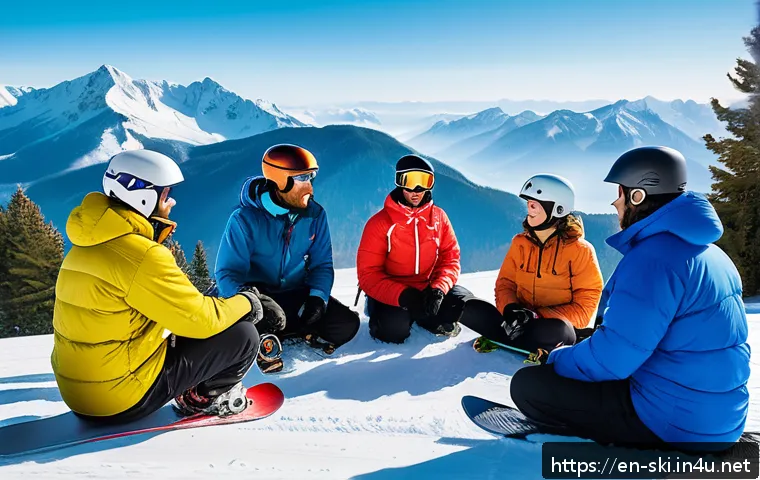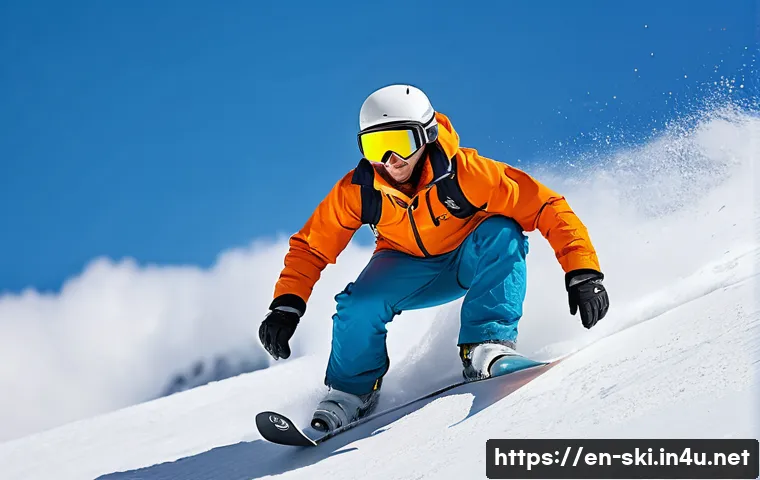
Hitting the slopes on a snowboard brings an incredible rush, but it also comes with its fair share of risks. Protecting yourself from potential falls and collisions isn’t just smart—it’s essential.
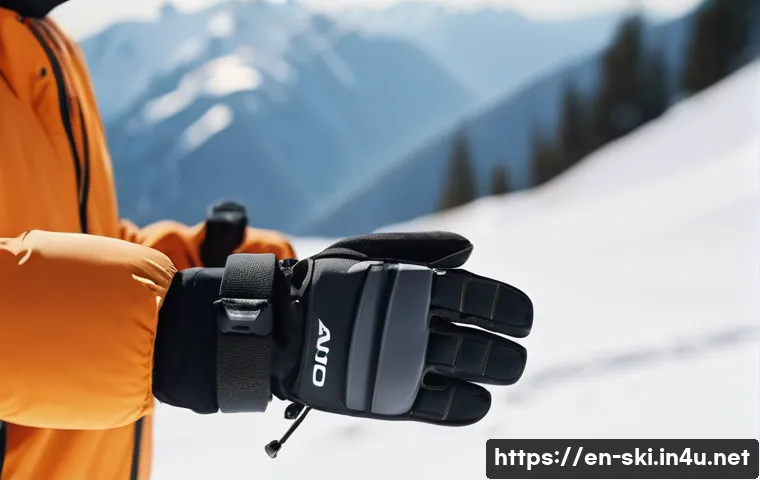
Wearing the right protective gear can make a huge difference in preventing injuries and boosting your confidence while carving through fresh powder. From wrist guards to knee pads, each piece plays a vital role in keeping you safe.
If you want to enjoy your ride without worrying about the worst, understanding the importance of snowboard protection is key. Let’s dive deeper and uncover why these gear essentials should never be skipped!
Choosing the Right Helmet for Maximum Impact Protection
Understanding Helmet Safety Standards
When shopping for a snowboard helmet, it’s crucial to know the safety certifications that ensure reliable protection. Look for helmets meeting ASTM F2040, CE EN 1077, or Snell standards.
These certifications mean the helmet has passed rigorous impact tests, giving you peace of mind on the slopes. From my experience, helmets without these labels often feel cheaper and less secure, which isn’t worth the risk when you’re flying down a mountain.
Don’t just pick the coolest design—prioritize safety features first.
Fit and Comfort: Why They Matter More Than You Think
A helmet that fits snugly but comfortably makes a huge difference in both safety and your willingness to wear it all day. I once tried a helmet that was too tight around my temples, and after a couple of hours, it was downright painful, distracting me from the ride.
On the other hand, a loose helmet is useless in a crash since it can shift or even come off entirely. Adjustability, padding, and ventilation are all key factors to consider.
Remember, if it doesn’t feel good, you might be tempted to leave it behind.
Advanced Helmet Features That Enhance Safety and Convenience
Modern helmets come with cool tech like MIPS (Multi-directional Impact Protection System) that reduces rotational forces during falls, which can be a game-changer in preventing concussions.
Some helmets also have built-in audio systems or removable ear pads for temperature control. These extras don’t just make your ride more enjoyable but add layers of protection and comfort.
After testing a MIPS helmet for a season, I noticed a real difference in peace of mind during tricky runs.
Why Wrist Guards Are a Snowboarder’s Best Friend
Common Wrist Injuries and Their Impact
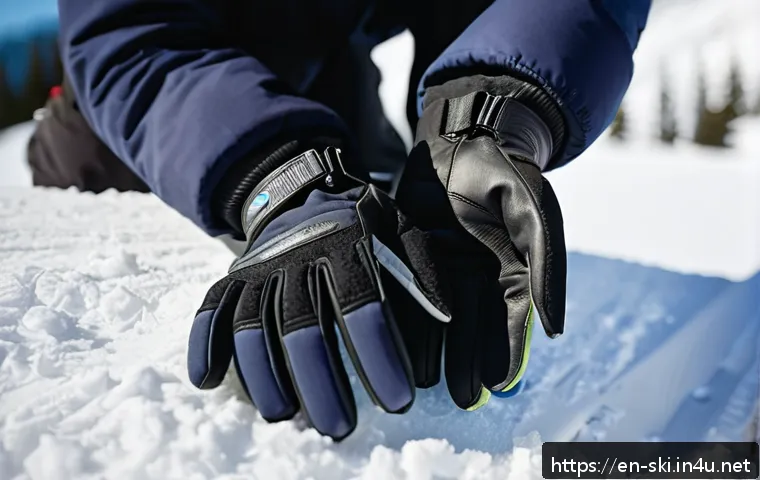
Wrist injuries rank among the most frequent in snowboarding, often resulting from instinctively breaking a fall with outstretched hands. Sprains, fractures, or even dislocations can put you out of commission for weeks.
I’ve seen friends sidelined for an entire season due to wrist fractures that could’ve been prevented with simple guards. Protecting your wrists means less pain, quicker recovery, and more days on the mountain.
Choosing the Right Wrist Guards for Flexibility and Support
Not all wrist guards are created equal—some are bulky and restrict movement, while others strike a balance between support and flexibility. When I first wore wrist guards, I worried they’d limit my ability to maneuver, but finding a pair with breathable fabric and ergonomic design changed the game.
You want guards that absorb impact but don’t make you feel like you’re wearing braces. This way, you stay protected without sacrificing control.
Wrist Guards: A Must-Have for Beginners and Pros Alike
Whether you’re new to snowboarding or a seasoned rider pushing your limits, wrist guards should be a staple in your gear bag. Beginners tend to fall more often, making wrist protection critical, but even pros encounter unexpected wipeouts.
I always recommend them because they reduce fear of injury, allowing you to focus on improving your technique. It’s a small investment with huge returns in safety and confidence.
Layering Knee and Elbow Pads for Added Cushion
The Role of Pads in Preventing Bruises and More Serious Injuries
Pads don’t just protect against painful bruises—they can absorb shocks that might otherwise cause ligament damage or fractures. I once wiped out hard on an icy patch and felt the difference wearing knee pads; what could have been a nasty injury was just a minor ache.
Elbow pads work similarly by shielding vulnerable joints during falls or collisions. Including these pads in your setup can make recovery faster and less painful.
Balancing Protection and Mobility
One of the biggest challenges with knee and elbow pads is finding gear that protects without restricting movement. I’ve tried bulky pads that made bending and flexing feel stiff, which impacted my riding style.
The best pads are lightweight, low-profile, and made from flexible materials that contour to your body. This way, you maintain your agility while staying protected from impact.
When to Upgrade Your Pads
Pads wear down over time, losing their shock absorption ability and becoming less effective. After a few seasons, or following a major crash, it’s smart to replace your pads.
I’ve learned the hard way that worn-out protection isn’t worth the risk. Regularly inspecting your gear and upgrading when needed keeps you safe and ensures your pads perform as expected.
How Back Protectors Shield Your Spine in High-Risk Falls
Understanding the Importance of Spinal Protection
Spinal injuries are among the most severe and life-altering risks in snowboarding, especially when hitting obstacles or landing awkwardly. Back protectors distribute the force of impacts over a larger area, significantly reducing the risk of fractures or disc damage.
I personally started wearing a back protector after hearing about a close call from a fellow rider, and it’s now a non-negotiable part of my gear.
Types of Back Protectors and Their Benefits
There are various designs, from rigid plastic shells to flexible foam inserts. Rigid protectors offer maximum impact resistance, while flexible ones prioritize comfort and breathability.
Many modern protectors combine both, using segmented plates that move with your body. I found that hybrid protectors offer the best balance, especially during long days on the mountain when comfort matters as much as safety.
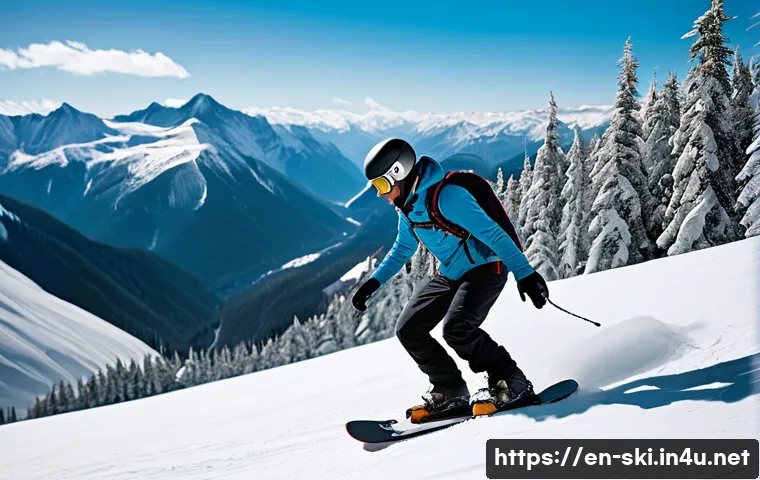
Integrating Back Protectors into Your Snowboarding Setup
Some snowboarding jackets come with built-in back protectors or compartments designed to hold them securely. This integration improves comfort and ensures the protector stays in place.
If you prefer separate protectors, make sure they fit well under your jacket without bunching or restricting movement. I’ve tested both options and appreciate having the flexibility to choose depending on weather and activity level.
Protective Gear Maintenance: Keeping Your Equipment Reliable
Cleaning and Inspecting Your Gear Regularly
Snowboard protection gear takes a beating from moisture, dirt, and impacts, so regular cleaning and inspection are essential. I always wipe down my helmet, pads, and guards after a day on the slopes to prevent grime buildup and check for cracks or worn straps.
Catching damage early can prevent unexpected failures during your next ride.
Proper Storage to Extend Gear Lifespan
Leaving your protective gear in direct sunlight or damp conditions can degrade materials quickly. I store my equipment in a cool, dry place and use breathable bags to avoid mold and mildew.
This simple habit has saved me money by extending the life of my gear and ensuring it performs when I need it most.
When to Replace Your Protective Gear
Even the best gear doesn’t last forever. Helmets should be replaced after any significant impact, and pads or guards that show signs of wear or damage need to be swapped out.
I keep track of purchase dates and inspect my gear each season to decide if replacements are necessary. It’s better to invest in new protection than risk injury with compromised equipment.
Comparing Popular Protective Gear Options: A Quick Reference
| Gear Type | Key Benefits | Material | Typical Cost Range | Best For |
|---|---|---|---|---|
| Helmet | Head impact protection, concussion reduction | Polycarbonate shell, EPS foam, MIPS liner | $70 – $250 | All skill levels |
| Wrist Guards | Prevent wrist fractures and sprains | Plastic splints, breathable fabric | $20 – $60 | Beginners & frequent fallers |
| Knee Pads | Shock absorption, bruise prevention | Foam padding, flexible neoprene | $30 – $80 | Freestyle riders, park enthusiasts |
| Elbow Pads | Joint protection, reduce abrasions | Foam padding, durable fabric | $25 – $70 | All riders, especially beginners |
| Back Protectors | Spinal injury prevention | Rigid plastic plates, foam inserts | $80 – $200 | High-speed riders, off-piste adventurers |
Boosting Confidence Through Protective Gear
How Feeling Safe Enhances Your Performance
When you know you’re well-protected, your mindset shifts from fear to focus. I’ve noticed that wearing full protective gear lets me try new tricks and tackle challenging runs without hesitation.
This confidence often translates into better technique and more fun overall. It’s amazing how much mental freedom proper gear can provide.
Encouraging Consistent Use Through Comfort and Style
Comfort is a huge factor in whether people actually wear their protective gear. If it’s uncomfortable or looks uncool, many will leave it behind. That’s why modern gear manufacturers invest in sleek designs, breathable materials, and adjustable fits.
Personally, choosing gear that matches my style motivates me to suit up every time, which has kept me injury-free so far.
Sharing the Safety Message Within the Snowboarding Community
Promoting the importance of protective gear among friends and fellow riders helps build a culture of safety. I often share my gear tips and experiences, and it’s rewarding to see others adopt better habits.
When more people prioritize protection, the whole community benefits from fewer injuries and longer seasons on the mountain.
Conclusion
Choosing the right protective gear is essential for a safe and enjoyable snowboarding experience. From helmets to wrist guards, each piece plays a critical role in reducing injury risks. Investing time and effort into selecting well-fitting, certified equipment can boost both confidence and performance on the slopes. Remember, protection is not just about safety—it’s about enhancing your overall ride.
Useful Tips to Keep in Mind
1. Always check for up-to-date safety certifications when buying helmets to ensure maximum protection.
2. Prioritize fit and comfort to encourage consistent use and avoid distractions during your ride.
3. Consider advanced features like MIPS technology for added impact reduction and peace of mind.
4. Regularly inspect and maintain your gear to extend its lifespan and maintain effectiveness.
5. Don’t overlook wrist guards and pads—they’re vital for preventing common injuries, especially for beginners and freestyle riders.
Key Takeaways
Proper protective gear is a must-have for all snowboarders, regardless of skill level. Safety certifications and a proper fit should guide your choices to ensure reliable protection. Comfort and advanced technologies enhance both safety and enjoyment, encouraging regular use. Regular maintenance and timely replacement keep your gear effective and ready for the slopes. Most importantly, embracing protective gear builds confidence and supports a safer snowboarding community.
Frequently Asked Questions (FAQ) 📖
Q: What are the most important protective gear items I should wear when snowboarding?
A: The essentials usually include a helmet, wrist guards, knee pads, and padded shorts. A helmet is non-negotiable since head injuries can be severe. Wrist guards help prevent fractures, which are common when you instinctively put your hands out during a fall.
Knee pads protect your joints from impact, and padded shorts shield your hips and tailbone. Personally, I found that combining these pieces gave me peace of mind, allowing me to push my limits without constantly fearing injury.
Q: Can wearing protective gear actually improve my performance on the slopes?
A: Absolutely! When you feel protected, your confidence naturally increases, which lets you focus more on your technique and less on the risk of falling.
For example, once I started wearing wrist guards and a helmet consistently, I noticed I was more willing to try new tricks and ride more aggressively.
The gear doesn’t just keep you safe—it frees your mind to enjoy snowboarding fully, which often leads to better overall performance.
Q: Is it uncomfortable to wear all this protective gear, and does it affect mobility?
A: That’s a common concern, but nowadays, protective gear is designed with comfort and flexibility in mind. Of course, the first time I strapped on knee pads and wrist guards, it felt a bit strange, but after a few runs, I barely noticed them.
Modern materials are lightweight and breathable, and many brands focus on ergonomic designs that move with you. The slight trade-off in mobility is a small price to pay for the safety and confidence boost you get.
Plus, once you get used to it, the gear feels like a natural extension of your body on the board.