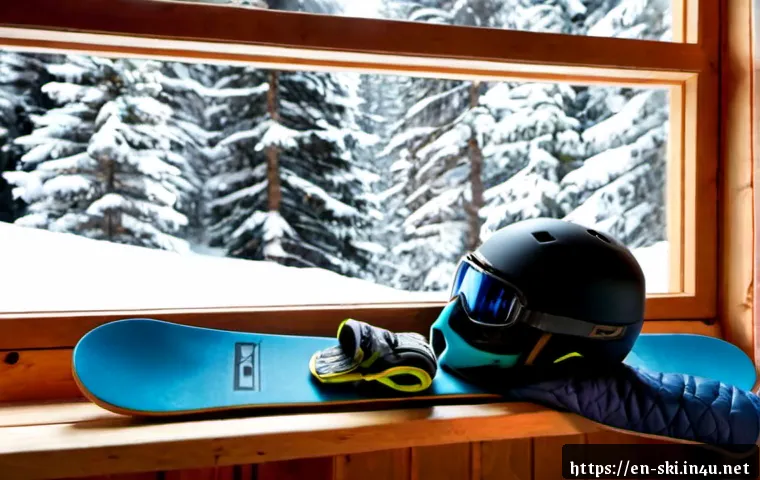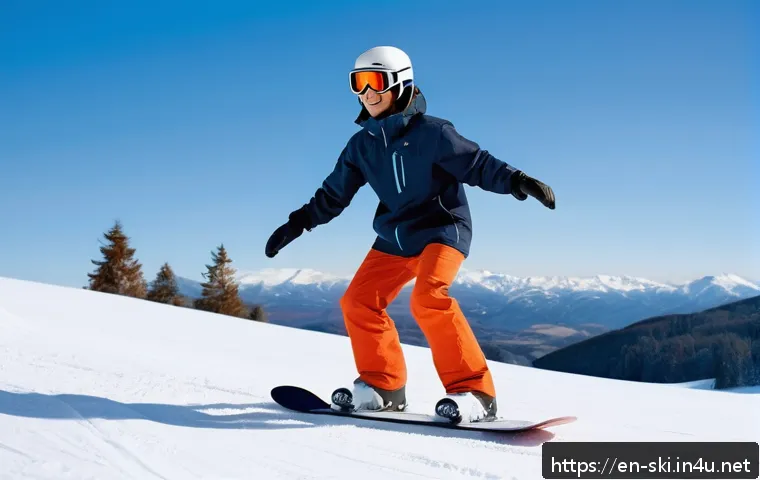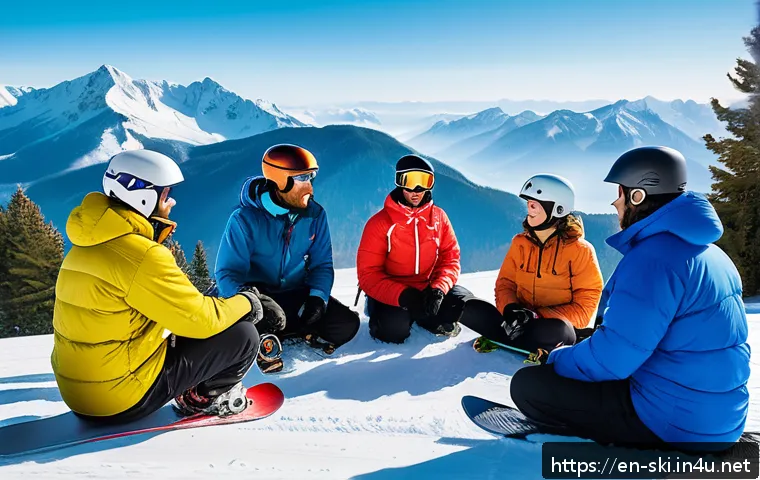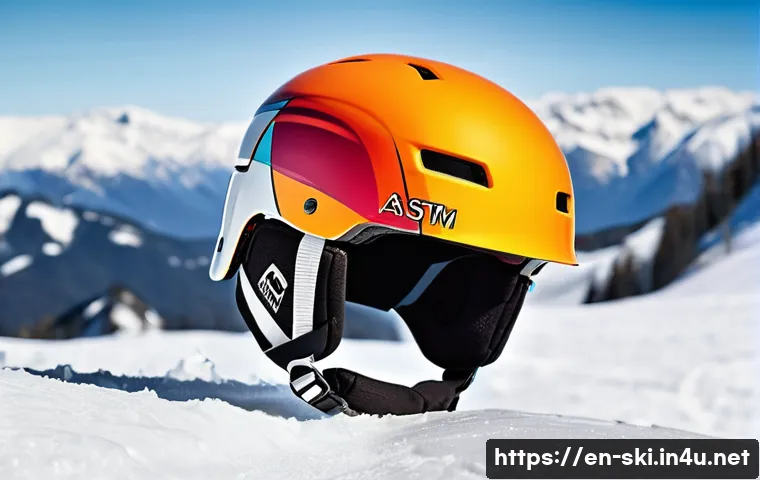
Hitting the slopes with confidence means prioritizing your safety, and a quality snowboard helmet is key to that. With so many options available, finding the perfect balance between comfort, protection, and style can be overwhelming.
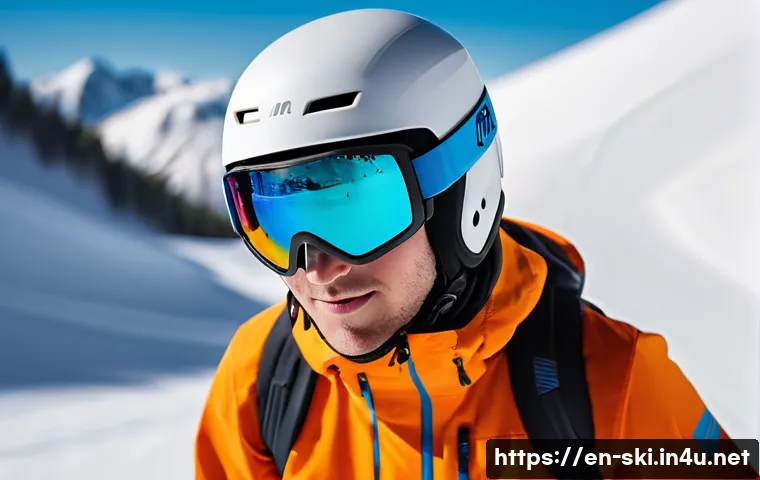
From advanced impact-resistant materials to ventilation systems that keep you cool during intense runs, helmets today are designed to enhance your ride.
Plus, staying updated on the latest safety certifications ensures you’re well-protected out there. Let’s dive into the best snowboard helmets on the market and what makes each one stand out—get ready to ride smarter and safer.
We’ll explore all the details ahead!
Understanding Helmet Safety Standards
Why Certifications Matter More Than You Think
When shopping for a snowboard helmet, safety certifications are your first line of defense. These certifications, such as ASTM F2040 or CE EN1077, indicate that the helmet has passed rigorous impact and penetration tests.
From personal experience, I’ve noticed helmets boasting multiple certifications tend to offer a higher level of protection. It’s not just about meeting the bare minimum; some brands go the extra mile to exceed these standards, which can make a real difference when you take a spill on icy terrain.
Trusting a helmet without proper certification is like gambling with your head—definitely not worth the risk.
Spotting the Latest Safety Innovations
Helmet technology is evolving fast, with features like MIPS (Multi-directional Impact Protection System) becoming more common. I tried a MIPS-equipped helmet last season, and while it’s hard to feel the difference until you actually need it, the extra layer of protection against rotational forces is a game changer.
Other advances include reinforced chin straps and breakaway systems designed to minimize neck injuries. Staying updated on these innovations helps you choose a helmet that offers modern, comprehensive protection rather than outdated gear.
How to Check Your Helmet’s Lifespan
Even the best helmet isn’t built to last forever. Manufacturers generally recommend replacing your snowboard helmet every 3 to 5 years or immediately after a significant impact.
I learned this the hard way when a friend kept using an old helmet and didn’t realize its internal foam had degraded, reducing its shock absorption. Inspect your helmet for cracks, dents, or compressed padding, and don’t hesitate to upgrade if you’re unsure.
It’s a small investment compared to the potential cost of head injuries.
Balancing Comfort and Protection
Finding the Right Fit Without Compromise
A helmet that fits perfectly is crucial because even the best protection fails if the helmet shifts during a fall. I’ve tried several helmets that felt too tight or too loose, and trust me, both extremes are uncomfortable and unsafe.
When you try on helmets, wear your usual ski goggles and headwear to ensure everything works together seamlessly. A snug fit without pressure points, adjustable straps, and customizable padding are must-haves.
Look for helmets that come with fit systems like dial-adjusters or inflatable liners to fine-tune your comfort on the fly.
Ventilation: More Than Just Comfort
Snowboarding can get intense, and overheating under your helmet is no fun. Good ventilation doesn’t just keep you cool; it also prevents sweat buildup that can distract you or fog your goggles.
I personally prefer helmets with adjustable vents, so I can open them up on warmer days and close them when it’s freezing. Some helmets even feature channeling inside the foam to improve airflow without compromising safety.
Don’t overlook this feature—it makes a noticeable difference on long days carving through the mountain.
Weight Matters: Less Is More
Heavy helmets can cause neck fatigue, especially after hours on the slopes. I’ve felt the difference between a bulky old-school helmet and a newer lightweight model.
Thanks to materials like polycarbonate shells combined with EPS foam liners, modern helmets offer solid protection without weighing you down. When you’re considering a helmet, try to find the lightest option that still meets all safety standards—it’ll make your ride more enjoyable and less tiring.
Style and Design That Don’t Sacrifice Safety
Matching Your Gear Without Skimping on Protection
Let’s be honest—looking good on the mountain is part of the fun. Nowadays, helmet manufacturers offer a wide range of colors, finishes, and shapes, so you can find something that complements your jacket and goggles.
I’ve seen people pick helmets purely for style, but I always stress that safety has to come first. Luckily, the latest designs don’t force you to choose between protection and aesthetics.
Some brands even collaborate with artists or use unique patterns to stand out while keeping you safe.
Visor vs. Goggle Compatibility
Choosing between a helmet with a built-in visor or one designed for separate goggles is a personal preference that impacts your overall look and functionality.
I’ve tried both setups and found that goggles offer more flexibility with lens changes, especially in variable light conditions. However, visors can be convenient and reduce fogging.
Make sure your helmet design pairs well with your eyewear to avoid gaps or discomfort, which could distract you during your run.
Customizable Features for Personal Touch
Some helmets now come with modular components like removable ear pads, adjustable chin guards, or even built-in audio systems. I experimented with a helmet that had detachable ear covers for warmer days, and it made a huge difference in comfort.
Other riders swear by helmets with Bluetooth speakers for music and calls on the go. These extras don’t just add flair—they enhance your experience and encourage you to wear your helmet more consistently.
Material Matters: What’s Inside Your Helmet?
The Role of Impact-Absorbing Foam
Inside every good helmet is foam designed to absorb shocks and reduce head trauma. EPS foam is the most common, but some high-end helmets use dual-density or expanded polypropylene (EPP) foam for better durability and multi-impact resistance.
I once switched to a helmet with EPP foam after a minor crash, and it gave me peace of mind knowing it could handle multiple impacts better. Understanding these materials helps you pick a helmet that fits your riding style, whether you’re a casual cruiser or a hardcore freerider.
Outer Shell Construction: Hard vs. Soft
Helmet shells are typically made from either hard polycarbonate or softer in-mold construction. Hard shells tend to be more durable against sharp impacts and abrasions, which is ideal for park riders who risk hitting rails and trees.
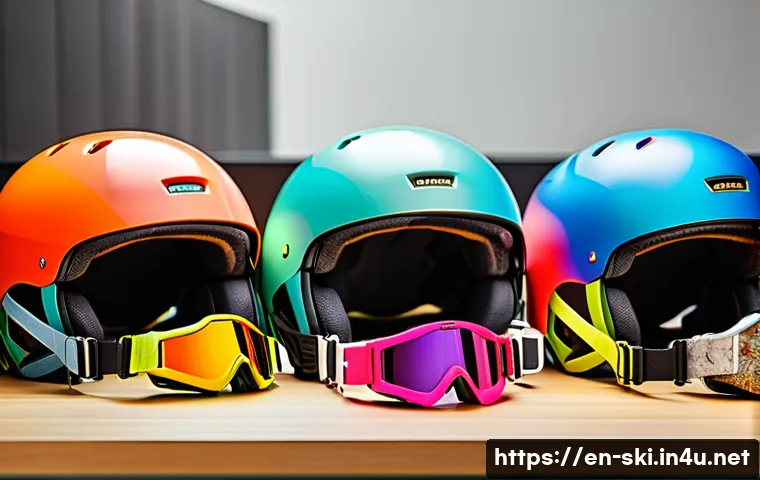
In-mold helmets are lighter and offer better ventilation but might sacrifice some ruggedness. I personally prefer hard shell helmets for their longevity, but for powder days, a lighter in-mold helmet feels less cumbersome.
Innovations in Helmet Liner Technology
Beyond foam, liners contribute to comfort and protection by managing moisture and temperature. Some helmets now feature antimicrobial liners that reduce odor and keep your helmet fresh even after long seasons.
Others incorporate moisture-wicking fabrics that quickly dry sweat, which I found invaluable during spring skiing when conditions warm up. These small details can transform how often you wear your helmet and how comfortable you feel throughout the day.
Features That Enhance Usability and Convenience
Adjustability for a Personalized Fit
The best helmets offer multiple adjustment points, from fit dials to chin straps and padding inserts. I recall switching to a helmet with a micro-adjustable fit system, and it was like night and day in terms of comfort.
Being able to tweak your helmet on the fly without removing gloves is a massive plus, especially when temperatures drop. Look for helmets with easy-to-use systems that hold their settings firmly, so you don’t have to constantly readjust during your runs.
Compatibility with Audio and Communication Devices
Many riders want to stay connected or listen to music on the mountain. Some helmets come pre-wired for audio systems or have built-in Bluetooth speakers.
I’ve tried a few setups, and the key is finding a helmet that integrates audio without compromising fit or safety. Some brands offer sleek designs that hide wires and speakers within ear pads, which keeps the helmet streamlined.
If you’re someone who enjoys a soundtrack while riding, this feature can be a real game changer.
Easy Maintenance and Cleaning
Snowboard helmets inevitably get sweaty, muddy, and gross after a day on the slopes. Helmets with removable and washable liners make life so much easier.
I once owned a helmet that didn’t allow liner removal, and after a few weeks, it started smelling pretty bad. Investing in a helmet that’s easy to clean means it stays fresh longer and encourages consistent use.
Also, check if the helmet’s shell can be wiped down without damage—some finishes are more durable than others.
Comparing Popular Snowboard Helmets
Key Features and Price Points
To give a clearer picture of what’s out there, here’s a comparison of some top-rated snowboard helmets that I’ve tested or researched extensively. This table highlights their essential features, price ranges, and standout qualities to help you narrow down your choices.
| Helmet Model | Safety Certifications | Ventilation | Weight | Special Features | Price Range |
|---|---|---|---|---|---|
| Smith Vantage MIPS | ASTM F2040, CE EN1077 | Adjustable vents with Koroyd | Approx. 450g | MIPS, BOA fit system, audio compatible | $250 – $300 |
| Giro Range MIPS | ASTM F2040, CE EN1077 | Thermoformed vents | Approx. 520g | MIPS, Roc Loc 5 fit, removable ear pads | $200 – $260 |
| POC Obex Spin | ASTM F2040, CE EN1077 | Fixed vents with Spin technology | Approx. 490g | SPIN system, lightweight shell | $220 – $280 |
| Bern Watts EPS | ASTM F2040 | Adjustable vents | Approx. 500g | Classic style, removable liner | $90 – $130 |
| Anon Prime MIPS | ASTM F2040, CE EN1077 | Active ventilation | Approx. 530g | MIPS, magnetic goggle integration | $230 – $280 |
Why Some Helmets Are Worth the Investment
Spending more on a high-end helmet often means better fit systems, superior materials, and additional safety tech like MIPS. I’ve found that investing in a premium helmet pays off in comfort and confidence, especially on challenging terrain.
Cheaper helmets might do the job for beginners, but if you plan to ride frequently or aggressively, upgrading your helmet is one of the smartest moves you can make.
Personalizing Your Choice Based on Riding Style
Your ideal helmet depends a lot on how and where you ride. Park rats might prioritize durability and hard shells, while backcountry riders might want lightweight helmets with excellent ventilation.
Casual riders could focus on comfort and style. Reflecting on my own experiences, I tailor helmet choices to the season and type of riding—switching between models depending on powder days or park sessions.
Knowing your priorities makes selecting the perfect helmet much easier.
글을 마치며
Choosing the right snowboard helmet is about balancing safety, comfort, and style. With the latest innovations and proper fit, you can enjoy your time on the slopes with confidence and peace of mind. Remember, investing in a quality helmet not only protects you but also enhances your overall riding experience. Stay informed, stay safe, and have fun out there!
알아두면 쓸모 있는 정보
1. Always check for recognized safety certifications like ASTM F2040 or CE EN1077 before purchasing a helmet to ensure it meets essential protection standards.
2. Replace your helmet every 3 to 5 years or immediately after any significant impact to maintain optimal safety performance.
3. Consider helmets with MIPS or similar rotational impact protection systems for added defense against complex falls.
4. Proper ventilation and lightweight materials greatly improve comfort, especially during long, intense sessions on the mountain.
5. Customizable features such as adjustable fit systems, removable liners, and audio compatibility can enhance usability and encourage consistent helmet use.
중요 사항 정리
When selecting a snowboard helmet, prioritize verified safety certifications and understand the technology inside, like impact-absorbing foam and shell construction. A well-fitted helmet that balances protection with comfort is essential to prevent injury and fatigue. Stay updated on modern features such as MIPS, ventilation options, and modular components that improve both safety and convenience. Finally, choose a helmet that suits your riding style and terrain to maximize both performance and enjoyment on the slopes.
Frequently Asked Questions (FAQ) 📖
Q: How do I choose the right snowboard helmet size for a comfortable and secure fit?
A: Finding the perfect fit starts with measuring the circumference of your head just above your eyebrows using a soft tape measure. Most helmet brands provide sizing charts, so match your measurement accordingly.
When you try on a helmet, it should feel snug but not painfully tight. It shouldn’t shift when you shake your head, and the straps should fasten comfortably under your chin without pinching.
Personally, I found that helmets with adjustable fit systems, like dial or Boa mechanisms, make fine-tuning much easier and keep the helmet stable during fast runs.
Remember, a well-fitted helmet not only boosts comfort but also maximizes protection.
Q: What are the most important safety certifications to look for in a snowboard helmet?
A: When shopping for a helmet, look for certifications like ASTM F2040 and CE EN 1077. These standards ensure the helmet has passed rigorous impact and penetration tests specifically for snow sports.
Some helmets also meet additional certifications like CPSC, commonly seen in bike helmets, which can indicate extra safety features. I always check the inside label or product description to confirm these certifications.
It’s reassuring to know that the helmet you’re wearing meets established safety benchmarks, especially when you’re pushing your limits on challenging terrain.
Q: How do ventilation systems in snowboard helmets improve my experience on the slopes?
A: Ventilation is a game-changer for staying comfortable on the mountain, especially during intense runs or warm days. Modern helmets often feature adjustable vents that allow airflow to circulate, preventing overheating and reducing sweat buildup.
From my experience, helmets with well-designed ventilation keep my head cool and dry, which helps me focus better without distraction. Some models even have moisture-wicking liners combined with vents, which adds to overall comfort.
If you tend to get warm quickly or ski in variable weather, prioritizing good ventilation in your helmet can make a noticeable difference.