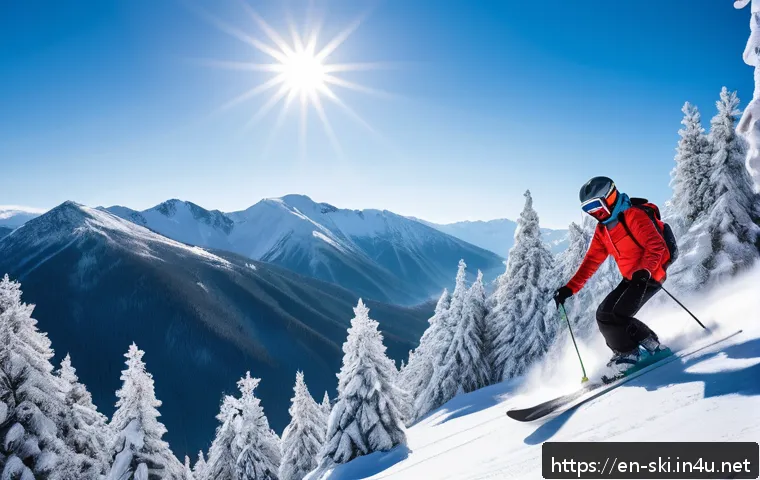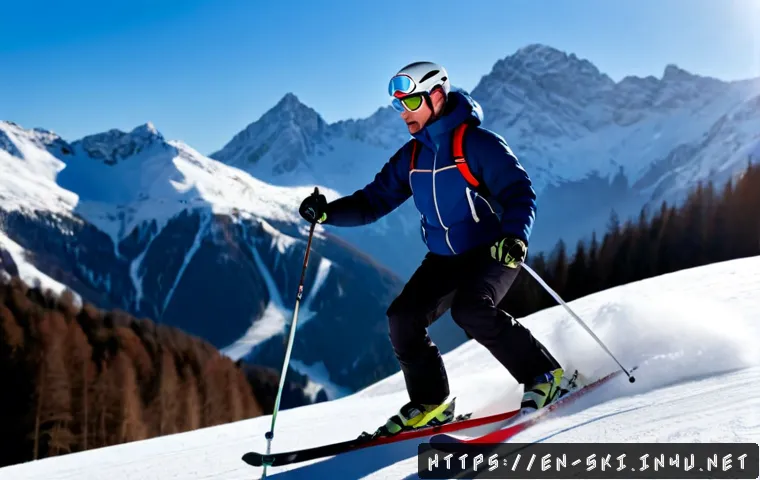
Hold ski poles with relaxed hands, keep them in front of your body, and make a light plant slightly downhill and ahead as you begin a turn. Poles should support timing, balance, and rhythm—not pull you through the turn or brace you against a fall.
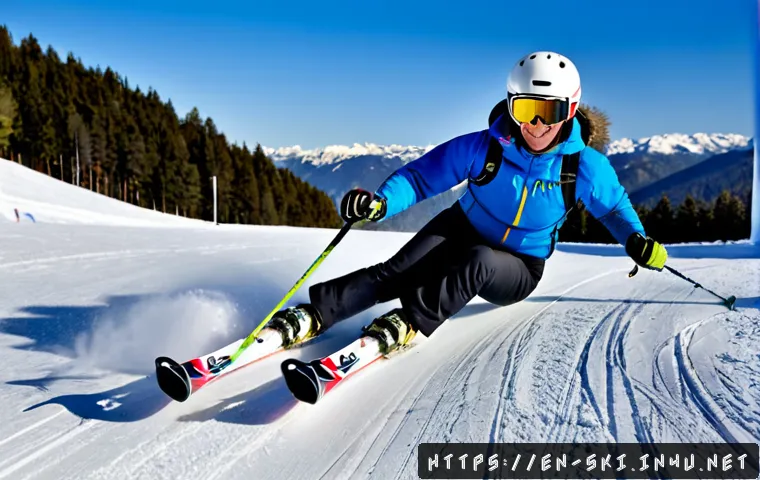
New skiers can first focus on a stable stance and quiet hands before trying stronger pole plants. The right pole length and a secure-but-releasable strap setup matter as much as the movement itself.
If you are renting, inspect the pole condition and fit before leaving the shop; if you ski regularly, comparing fixed and adjustable models can make a personal pair more practical.
At a Glance
- Grip lightly: use the strap as intended, but do not lock your hands into the poles.
- Plant downhill and slightly ahead: the pole touch should guide turn timing, not force the skis around.
- Choose for fit and condition first: check length, straps, grips, baskets, and shaft condition before skiing.
| Pole Type | Best Use | Durability Consideration | Weight Consideration | Typical Buyer Consideration |
|---|---|---|---|---|
| Fixed-length aluminum | Regular resort skiing | Often chosen when durability is a priority | May feel heavier than carbon options | Simple setup and consistent fit |
| Fixed-length carbon | Skiers who value a lighter feel | Inspect carefully for damage | Often selected for lower weight | Weight and feel matter more than adjustment |
| Adjustable poles | Changing terrain preferences or shared use | Check adjustment mechanisms before use | Varies by model | Flexibility across conditions |
| Rental poles | Occasional ski trips | Condition can vary, so inspect each pair | Depends on available inventory | Convenience without transporting equipment |
The Quick Answer: What Ski Poles Should Do While You Ski
Ski poles are mainly tools for timing, balance, and rhythm. Their role becomes more noticeable as turns become shorter, steeper, or more demanding. A useful pole touch is small and calm: it gives your body a reference point, then your skis and legs continue through the turn.
Hold the grip and strap without locking your hands in place
Hold the grip with a relaxed hand rather than squeezing it tightly. Use wrist straps according to the manufacturer’s instructions, with the goal of keeping the pole controlled while still allowing release in a fall. A strap should not leave you feeling trapped or tangled. Before skiing, check whether the strap is worn, loose, twisted, or damaged.
Keep your hands forward and your elbows comfortably bent
Your hands should stay in front of your torso, where they are easy to see and use. Keep your elbows comfortably bent instead of stretching your arms straight downhill. This position helps prevent a common beginner habit: letting both hands drift behind the hips, then making a rushed swing when a turn arrives.
Plant lightly downhill and let the turn move past the pole
Place the pole downhill and slightly ahead of your body. Think of it as a light touch, not a hard stab into the snow. After the pole contacts the surface, allow your body and skis to move through the turn rather than leaning on the pole. On gentle terrain, the movement may be subtle; on tighter turns, the timing becomes more useful.
Start With the Right Setup Before Practicing Turns
Good technique is easier when the pole setup does not distract you. Before practicing turns, make sure the length feels appropriate, the grips are secure, and the baskets and tips are in usable condition. A pole that feels awkward, bent, or poorly fitted can encourage poor arm position.
A quick ski pole length check
There is no single correct ski pole length for every person. Proper length depends on body proportions, boot sole height, skiing style, discipline, and terrain preference. Hold the poles in a normal skiing position with your boots on if possible, then assess whether you can keep your hands forward with relaxed elbows. If you are unsure, ask a ski shop staff member to check the fit rather than choosing from height alone.
Strap, grip, basket, and tip safety inspection
Inspect both poles before heading to the lift. Look for bent shafts, loose grips, worn straps, and damaged baskets. Baskets help keep the pole from sinking too far into snow, while the grip and strap affect comfort and control. If anything is loose or visibly damaged, ask for a replacement—especially with rental ski poles.
When rental poles are enough and when personal poles may be worthwhile
Rental poles can be a sensible choice for occasional resort visits, travelers who want less gear to carry, or beginners still learning what feels comfortable. Buying may be worth considering when you ski often, want consistent fit each trip, or prefer specific features such as adjustable length, a particular grip shape, or a chosen shaft material. The better option is the one that fits your actual skiing pattern, not simply the one with more features.
Pole Use for Different Terrain and Skiing Situations
How actively you use ski poles should change with the terrain. A beginner does not need an aggressive pole plant on every turn. Start with steady posture, then use the poles as a timing cue when the turn shape and slope make that cue helpful.
Gentle groomed runs and beginner turns
On easy groomed runs, focus first on a balanced stance and hands that remain forward. You may use a very small pole touch before a turn, but there is no need to force it. If the movement makes you twist your shoulders, lean downhill, or rush your skis, simplify it. Quiet hands and controlled turns are more useful than dramatic pole action.
Short turns and steeper groomers
As turns become shorter or the slope becomes steeper, a light, well-timed pole plant can help establish rhythm. The pole should go downhill and slightly forward as you prepare for the next turn. Keep the movement compact. Your arm does not need to swing far back and forward; a small wrist-led action is usually easier to repeat.
Flats, traverses, lift lines, and getting moving
On flat sections and while traversing, poles can help you move along and maintain balance. This use is different from turn timing because it may involve more active pushing. In lift lines, keep pole tips controlled and be mindful of the people around you. Avoid dragging poles where they can catch or interfere with your movement.
Why bumps, powder, and off-piste terrain require more advanced instruction
Uneven snow, deep snow, and off-piste terrain can demand faster decisions and more precise balance. Pole use may become more active, but the right technique depends on conditions and skiing ability. If you are moving beyond groomed slopes, instruction from a qualified ski professional can help you build skills without relying on hard or rushed pole plants.
Common Pole-Plant Mistakes That Disrupt Balance
Most pole-plant problems come from trying to do too much. A ski pole is a timing tool, not a lever to pull your body downhill. Small corrections in hand position often make the movement feel more natural.
Reaching too far forward or across the skis
Overreaching pulls your upper body out of position and can make the pole feel late or awkward. Crossing the pole over the skis can also rotate the torso unnecessarily. Instead, keep the plant close enough that your elbow stays comfortably bent and the pole lands naturally downhill of the turn.
Planting late, hard, or behind the boots

A late plant often happens after the turn is already underway, so it provides little help with timing. A hard plant can interrupt flow and encourage you to brace on the pole. A plant behind your boots tends to pull your hands backward. Aim for a light, early touch slightly ahead and downhill, then move past it.
Swinging the whole arm instead of using a small wrist-led movement
Large arm swings take longer and can throw off balance. Keep the upper arm relatively quiet, maintain forward hands, and let the wrist and forearm create a compact movement. This is especially useful when turns happen more quickly.
Using poles to brace against a fall
Do not use ski poles as a way to stop or brace against a fall. In a fall, the priority is avoiding entanglement and allowing the pole to release as intended. Follow the strap manufacturer’s instructions and avoid skiing with a setup that restricts release or feels unsafe.
Choose Ski Poles by Fit, Material, and Value
A good ski pole choice begins with fit and intended use. Material, adjustment range, basket design, grip shape, and strap comfort can all matter, but none replaces a length that works with your boots, stance, and skiing discipline.
Fixed-length versus adjustable poles
Fixed-length ski poles offer a straightforward, consistent setup. They can suit resort skiers who already know the length they prefer. Adjustable ski poles may appeal to skiers who want flexibility for changing terrain preferences or who want to fine-tune fit. Check the locking mechanism and intended use carefully, since adjustability is only useful when the pole remains secure and comfortable.
Aluminum versus carbon shafts
Aluminum and carbon ski pole shafts offer different buying considerations. Aluminum is commonly considered by skiers focused on durability, while carbon is often considered by those who prioritize lower weight. Neither material is automatically right for every skier. Compare the intended use, overall condition, grip comfort, and your own preference rather than choosing based on one feature alone.
Baskets, grips, and straps for resort skiing
For resort skiing, inspect the basket size and condition, especially if snow conditions vary. The grip should feel secure without requiring a tight squeeze. Straps should be intact and comfortable, and they should be used according to the manufacturer’s instructions. These small components can have a large effect on how naturally a pole feels during a full day on snow.
A practical rental-versus-buying checklist
Renting may suit you if you ski only occasionally, want to travel lighter, or are still testing what length and style feel right. Buying may make sense if you ski frequently, prefer a consistent fit, or want to select specific adjustable-pole features, grips, and materials. Before choosing, check fit, shaft condition, and return policy. Rental pricing, availability, and replacement terms vary by resort and ski shop, so confirm those details directly.
Selection Criteria and Comparison Summary
For occasional resort skiers, rental poles are often practical when the available pair fits well and passes a condition check. Frequent skiers may place more value on consistent length, familiar grips, dependable straps, and a preferred shaft material. Before renting or buying, check these points:
- Fit: Does the length work with your boots, stance, and intended skiing discipline?
- Condition: Are the shaft, grips, straps, baskets, and tips secure and undamaged?
- Use case: Are you skiing groomed resort runs, or do you need a different setup for your preferred terrain?
- Adjustment: If considering adjustable poles, does the mechanism feel secure and easy to use?
- Travel and frequency: Will renting reduce hassle, or will your own pair provide better consistency?
Before purchasing or renting, ask the ski shop to help verify length, intended use, equipment condition, and any replacement or return terms. Check the product details and official rental conditions on the relevant page before choosing.
Conclusion
Use ski poles to support your skiing, not to overpower it. Keep your hands forward, use a relaxed grip, and make a light plant downhill and slightly ahead when the turn calls for it. Beginners can build confidence by keeping the movement small and focusing on stance first. Whether you rent or buy, a well-fitted and well-maintained pair is more useful than a feature-heavy pair that does not suit your skiing.
Useful Things to Know
1. Alpine ski poles and cross-country ski poles are used differently: cross-country poles play a more active role in propulsion.
2. A calm pole touch can improve rhythm, but it is not a substitute for balanced skiing fundamentals.
3. Rental equipment deserves the same inspection as personally owned equipment.
4. If a pole feels unusually awkward, bent, loose, or damaged, replace it before skiing.
Important Notes
Exact ski pole length cannot be determined reliably without considering your body proportions, ski boots, skiing discipline, and preferred terrain. A specific pole model also needs to be checked for its specifications, fit, condition, and intended use. Local rental inventory, prices, and replacement policies differ by resort and shop. If you are returning to skiing after an injury, seek appropriate professional guidance about your individual situation rather than relying on general equipment advice.
Frequently Asked Questions
Q1. Do beginner skiers need to use ski poles?
A1. Beginner skiers can benefit from poles for balance and rhythm, but they do not need aggressive pole plants right away. Start by maintaining a stable stance and keeping your hands forward. Add a light pole touch when it helps your turn timing rather than distracting from basic control.
Q2. How do I know whether my ski poles are the right length?
A2. The right length depends on body proportions, boot sole height, skiing style, discipline, and terrain preferences. Try the poles while wearing ski boots when possible, and check whether you can hold your hands forward with comfortably bent elbows. A ski shop can help assess fit before you rent or buy.
Q3. Is it better to rent ski poles or buy a pair for a ski trip?
A3. Renting can be convenient for occasional ski trips and lighter travel. Buying can be worthwhile for frequent skiers who want consistent fit and chosen features. Check fit, shaft condition, strap condition, and the rental shop’s return or replacement policy before choosing.