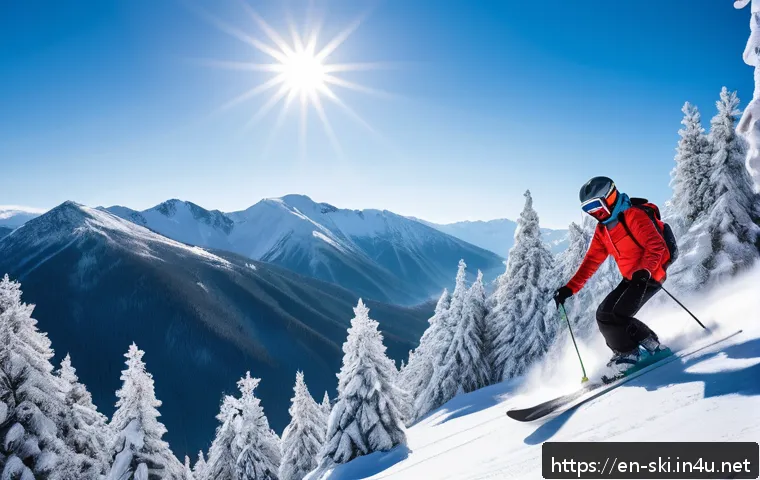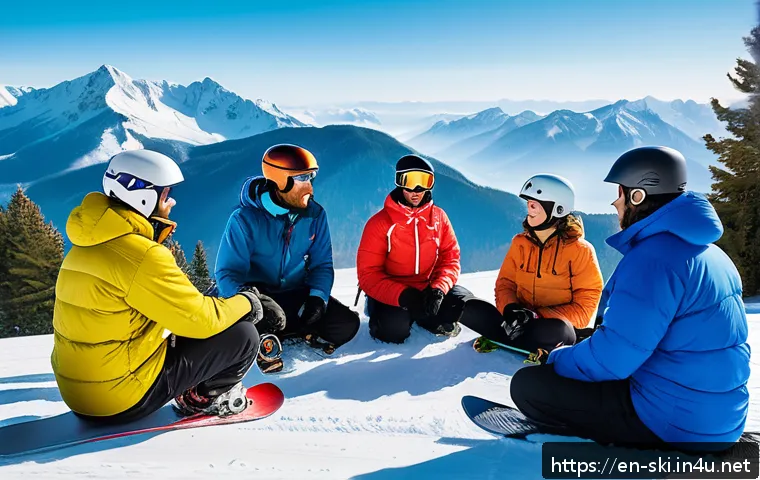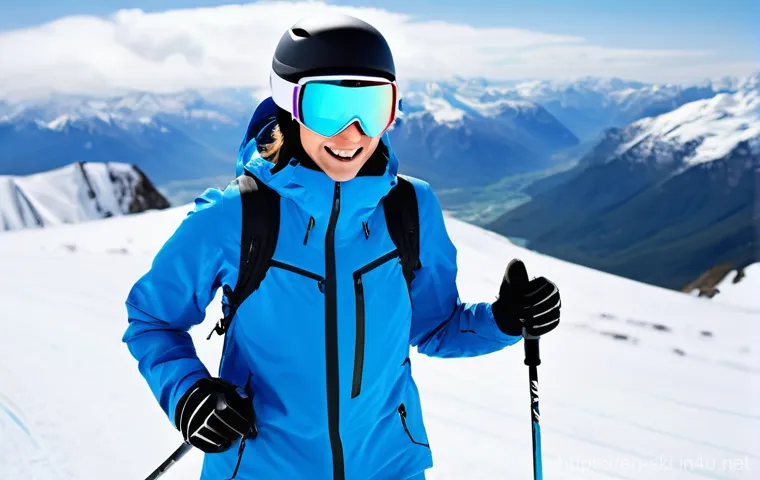
Hey there, fellow adventurers! Are you buzzing with excitement for your very first ski trip? I totally get it—that crisp mountain air, the thrill of gliding down powdery slopes… it’s an incredible experience!
But before you hit the snow, there’s one crucial thing that can make or break your day: your outfit. Trust me, I’ve seen countless first-timers make simple gear mistakes that turn a potentially amazing day into a chilly, uncomfortable one.
Nobody wants that, right? Getting your beginner ski attire just right isn’t about expensive brands; it’s about smart choices that keep you warm, dry, and totally focused on the fun.
Ready to discover exactly what you need to rock your first time on the slopes? Let’s dive in and get you perfectly prepped!
Layering Like a Pro: The Foundation of Fun on the Slopes
The Unsung Heroes: Why Your Baselayers Are Everything
I still vividly remember my first day skiing, shivering despite what I thought was a “warm” jacket. Oh, the innocence! What I quickly learned, and what I want to share with you, is that the real magic starts right against your skin.
Your baselayer isn’t just another shirt; it’s the critical first line of defense against the biting cold and the sneaky sweat that can quickly turn your day miserable.
Think of it as your personal climate control system. When you’re zooming down the mountain, your body is working hard and generating heat, but then you slow down, get on the lift, and suddenly you’re exposed to the freezing air.
A good baselayer wicks away moisture, pulling that sweat off your skin so it can evaporate from the outer layers, keeping you dry and preventing that bone-chilling cold feeling.
Without proper moisture management, that sweat turns cold and chills you to the core, no matter how thick your outer jacket is. Trust me, a high-quality baselayer changed my entire ski experience from tolerating the cold to truly enjoying every moment.
It’s an investment in your comfort, and honestly, your overall happiness on the snow. You’ll be amazed at the difference it makes when you’re not constantly thinking about how cold or clammy you feel.
Fabric Finesse: The Battle of Synthetics vs. Merino Wool
When it comes to choosing your baselayer, you’ll generally find two main contenders: synthetics and merino wool. Each has its own superpowers, and knowing the difference can help you pick what’s best for your adventure.
Synthetic baselayers, often made from polyester or polypropylene, are fantastic at wicking moisture away from your skin incredibly quickly. They dry fast, which is a huge plus if you’re working up a sweat, and they tend to be super durable and more affordable.
I’ve got a couple of synthetic sets that have been with me through thick and thin, and they still perform like champs. They’re great for high-energy days when you know you’ll be pushing yourself.
On the other hand, merino wool is a game-changer for many. It’s incredibly soft (no itch here, promise!), naturally breathable, and has this amazing ability to regulate your body temperature – keeping you warm when it’s cold and cool when it’s warm.
Plus, and this is a big one for multi-day trips, it’s naturally odor-resistant, meaning you can wear it for days without it getting stinky. I personally adore merino for its cozy feel and consistent warmth, especially on those really chilly days or when I’m planning on staying out on the slopes from first chair to last.
While it might be a bit pricier, the comfort and performance are absolutely worth it. Whichever you choose, ensure it’s a snug fit, not too tight, but close enough to your skin to effectively do its job of wicking.
The Middle Ground: Crafting Your Cozy Mid-Layer Strategy
Fleece, Puffy, or Hybrid? Your Personal Thermostat Unleashed
After perfecting your baselayers, the next crucial step in your beginner ski attire is the mid-layer. This is your primary insulation layer, the one that truly traps warmth and keeps you feeling snug, even when the wind tries to sneak in.
I remember one blustery day when I thought my jacket alone would be enough, only to find myself wishing I’d packed an extra fleece. Never again! The most common choices you’ll encounter are fleece, puffy jackets (often down or synthetic fill), or even hybrid options that combine the best of both worlds.
Fleece is incredibly versatile, relatively inexpensive, and provides excellent warmth-to-weight. A good quality fleece jacket is a staple in my ski wardrobe.
It breathes well, so you don’t overheat as easily, and it’s super comfortable. For colder days, or if you tend to get cold easily, a lightweight puffy jacket (think compressible down or synthetic insulation) can be a real lifesaver.
These provide incredible warmth without adding much bulk. I’ve found that having both options allows me to adapt to a wider range of temperatures throughout the ski season.
Sometimes I’ll even wear a very thin fleece vest over my baselayer with a slightly warmer puffy vest over that, under my shell, for maximum flexibility.
The key is to choose something that offers warmth without restricting your movement, allowing you to easily layer your outerwear on top without feeling like the Michelin man.
The Art of Adaptability: Layering Like a Ski Seasoned Pro
The beauty of a good mid-layer isn’t just its inherent warmth; it’s the flexibility it offers. Skiing conditions can change drastically throughout the day – from icy mornings to sunny afternoons, and even sudden snow squalls.
This is where the art of layering truly shines, and your mid-layer is the star of the show. I’ve learned to always pack an extra mid-layer, even if I don’t think I’ll need it.
It’s far better to have it and not need it than to be freezing on the chairlift. On warmer days, you might just need a thin fleece over your baselayer.
When the temperatures drop, you can easily add a thicker fleece or a lightweight down jacket. The idea is to have options that you can easily add or shed as conditions, or your activity level, change.
If you start feeling a bit too warm after a few aggressive runs, you can unzip your outer jacket and let some heat escape, or even quickly remove your mid-layer on a break.
This ability to adjust your insulation on the fly is what keeps you comfortable and focused on having fun, rather than constantly battling discomfort.
My personal strategy usually involves a lighter fleece that zips up, making it easy to vent if I get too hot. This adaptability is what truly makes a great ski outfit, and it’s a skill you’ll master quickly once you hit the slopes a few times.
Don’t underestimate the power of being able to adjust your warmth level – it’s a game-changer!
The Outer Shell: Your Indispensable Fortress Against the Mountain
Weatherproof Wonders: Jackets and Pants That Perform
Alright, we’ve talked about your personal climate control (baselayers) and your cozy insulation (mid-layers), but now it’s time for the big guns: your outer shell.
This is the part of your ski attire that everyone sees, but more importantly, it’s your primary defense against everything Mother Nature throws at you.
We’re talking wind, snow, sleet, and even the occasional icy rain. My first ski jacket was, let’s just say, “water-resistant” at best. After a few tumbles in slushy snow, I quickly learned the difference between looking the part and actually being protected.
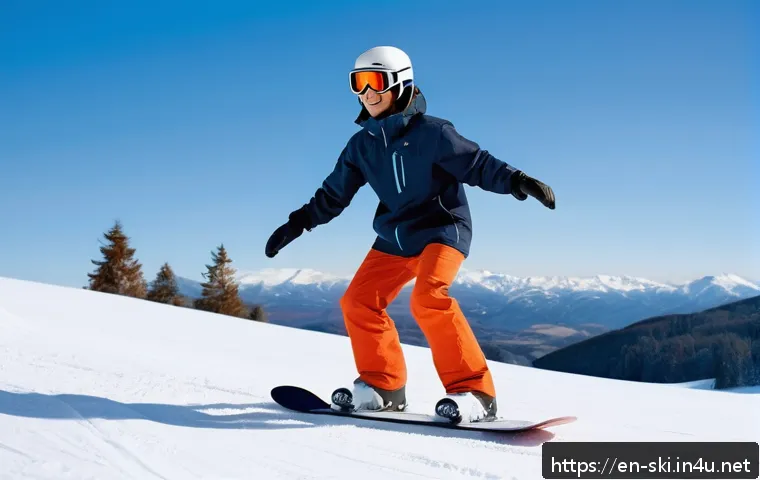
A proper ski jacket and pants need to be both waterproof and breathable. Look for ratings like “10k/10k” or higher, which refer to how much water pressure the fabric can withstand before leaking and how much moisture vapor it can let out.
This is crucial because while you want to keep the snow out, you also need to let the sweat from your baselayers and mid-layers escape. Otherwise, you’ll end up feeling damp and clammy from the inside, which completely defeats the purpose of layering.
Good outer shells often feature taped seams, water-resistant zippers, and powder skirts to prevent snow from creeping in. Don’t skimp here; a wet day on the mountain is a miserable day, and a reliable shell makes all the difference in turning potential misery into pure joy.
It’s an investment in your comfort and your ability to stay out longer and enjoy more of the mountain.
Fit for Function: Why a Good Cut Matters More Than You Think
Beyond waterproofing and breathability, the fit of your outer shell is paramount for both comfort and performance. This isn’t just about looking good (though a stylish jacket doesn’t hurt!); it’s about unrestricted movement and optimal protection.
I’ve seen beginners trying to ski in jackets that are either too tight, hindering their turns, or so baggy that snow easily gets in. Neither is ideal.
Your jacket should be roomy enough to accommodate your baselayers and mid-layers without feeling restrictive, allowing you to freely move your arms and torso.
Pay attention to the length – it should cover your lower back even when you’re bending or reaching. Ski pants should allow a full range of motion for your legs, especially when bending your knees for turns.
Look for features like articulated knees, which are designed to mimic the natural bend of your leg. Many ski pants also come with inner gaiters that fit over your boots to keep snow out – a truly indispensable feature.
Consider adjustable cuffs and a hood that can fit over your helmet for extra protection on really stormy days. Remember, the goal is to feel comfortable and unencumbered, allowing you to focus on your technique and enjoy the sensation of gliding down the slope, rather than wrestling with ill-fitting gear.
A well-fitting shell will enhance your skiing experience significantly, giving you the freedom to move naturally and stay protected.
Head, Hands, and Feet: The Triple Threat of Crucial Accessories
Helmet Hug: Safety First, Style Second (But You Can Have Both!)
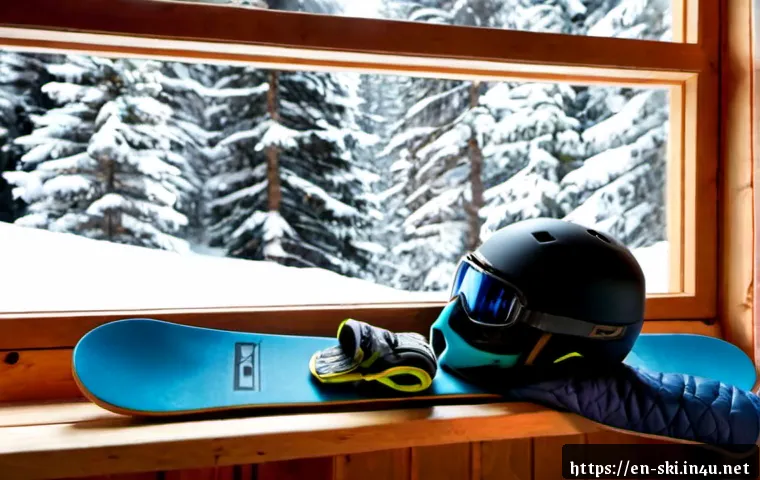
When you’re first starting out on skis, a helmet is non-negotiable. Period. I wouldn’t dream of hitting the slopes without one, and neither should you.
It’s not just about looking cool (though modern helmets definitely do!), it’s about protecting your most important asset. Falls happen, especially for beginners, and a helmet can literally be a lifesaver.
Beyond safety, a good helmet also offers warmth, which is a huge bonus on chilly days. When I was a newbie, I thought a beanie would be enough. Boy, was I wrong!
My head was freezing, and I felt exposed. Today’s helmets are incredibly comfortable, lightweight, and come with adjustable vents to regulate temperature, ensuring you don’t overheat.
Many also have integrated audio systems or easy ways to attach action cameras. When choosing a helmet, make sure it fits snugly but comfortably, without any pressure points.
It shouldn’t wobble when you shake your head. Look for certifications like ASTM F2040 or CE EN 1077. Trust me, investing in a good helmet will give you peace of mind and allow you to ski with confidence, knowing you’re protected.
Plus, it completes the look, making you feel like a legitimate skier from day one!
Goggles and Gloves: Protecting Your Extremities from the Elements

Your eyes and hands are incredibly vulnerable on the mountain, and neglecting them can quickly lead to discomfort or even injury. Goggles are absolutely essential.
They protect your eyes from harmful UV rays (the sun’s reflection off snow is intense!), wind, snow, and even stray branches. I learned this the hard way after a day of squinting and tearing eyes, returning with a serious case of “snow blindness” symptoms.
Never again! Look for goggles with good ventilation to prevent fogging and interchangeable lenses or photochromic lenses that adapt to different light conditions.
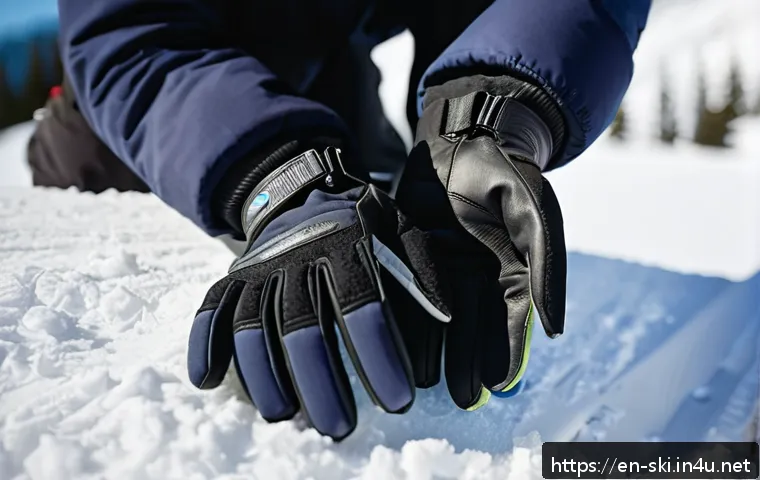
A good fit with your helmet is also key to avoid any gaps where cold air can sneak in. As for gloves, forget your everyday knit gloves. You need waterproof, insulated ski gloves or mittens.
Mittens are generally warmer than gloves because your fingers share body heat, but gloves offer more dexterity. I personally prefer gloves because I like to fiddle with my zipper or phone, but on seriously frigid days, mittens are my go-to.
Make sure they’re durable, have a waterproof membrane (like Gore-Tex), and enough insulation for the expected temperatures. Nothing ruins a day faster than frozen, numb fingers.
Trust me, keeping your hands and eyes happy will make a world of difference in your overall experience.
Socks: The Unsung Heroes of Warm, Blister-Free Feet
Okay, listen up, because this is a big one: your ski socks are arguably one of the most important, yet most overlooked, pieces of your beginner ski attire.
Forget thick, bulky cotton socks! They absorb sweat, stay wet, and lead to cold feet and blisters – a true nightmare inside a stiff ski boot. I made this mistake once, wearing my thickest wool hiking socks, thinking “more is better.” It resulted in painful pressure points and incredibly damp feet by lunchtime.
The key is thin, moisture-wicking, knee-high ski-specific socks made from merino wool or synthetic blends. These socks are designed to be thin enough to not interfere with the fit of your boots (which are already snug!), while still providing excellent warmth and wicking properties.
The height ensures they don’t scrunch down inside your boots, causing painful pressure points. Merino wool is fantastic for its warmth, breathability, and odor resistance, while synthetics offer superb wicking and durability.
Don’t layer two pairs of socks! One good pair is all you need. Seriously, happy feet mean a happy skier.
A properly chosen pair of ski socks will make your ski boots feel much more comfortable and prevent those dreaded blisters, allowing you to focus on carving those turns instead of wincing with every movement.
Beyond the Basics: Essential Extras for a Smoother Ride
Neck Gaiters and Buffs: Small but Mighty Protectors
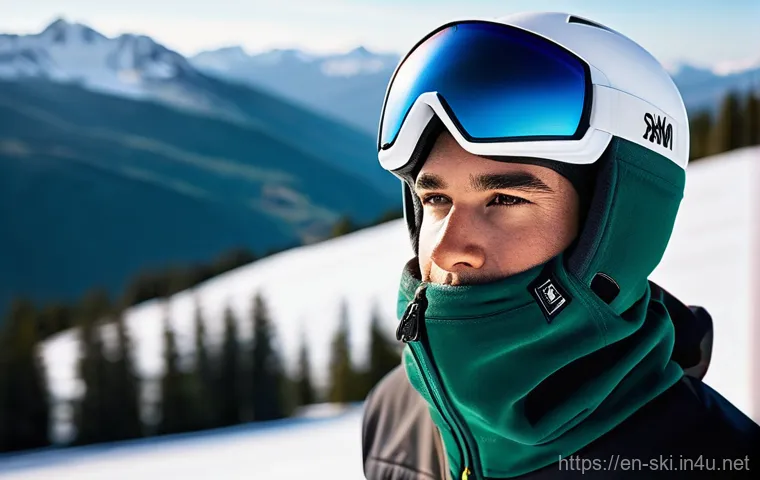
While your jacket will cover a lot, there’s often a gap around your neck and lower face that the cold and wind absolutely love to exploit. This is where a neck gaiter or a “Buff” (a popular brand of tubular scarf) becomes your best friend.
I can’t tell you how many times a simple neck gaiter has saved me from chapped skin and a runny nose on a windy chairlift ride. These simple pieces of fabric, usually made of fleece or merino wool, can be pulled up over your nose and mouth for instant warmth and protection, then pulled down when you’re back in the lodge.
They’re incredibly versatile – you can wear them as a scarf, a headband, or even a balaclava. They’re super lightweight and easy to stuff into a pocket when you don’t need them.
For beginners, especially, keeping your face warm is critical for comfort. The difference between having a exposed neck and face versus having them covered is huge for your overall body temperature and how long you can comfortably stay out on the slopes.
Don’t underestimate this small but mighty piece of gear; it’s a low-cost item that provides immense value in terms of comfort and protection from the harsh mountain elements.
I literally have several because they’re such a game changer for varying conditions.
Sunscreen and Lip Balm: Don’t Forget the Mountain Sun!
This might sound counterintuitive when you’re thinking about cold snow, but the sun on the mountain is incredibly powerful, even on cloudy days. The high altitude means less atmospheric protection, and the snow acts like a giant reflector, bouncing those UV rays right back at you.
I learned this the hard way during my second ski trip, thinking “it’s winter, I don’t need sunscreen!” My face, nose, and lips ended up looking like a very painful, peeling lobster.
It was not pretty, and definitely not comfortable for the rest of the trip. Always, always apply a high-SPF sunscreen to any exposed skin – especially your face, neck, and ears.
Reapply it throughout the day, especially if you sweat or wipe your face. And don’t forget your lips! The combination of wind, sun, and cold can quickly lead to painfully chapped lips.
A good quality lip balm with SPF is an absolute must-have for your ski jacket pocket. These small items seem minor, but they significantly contribute to your overall comfort and health on the mountain.
Trust me, you’ll thank yourself later when you’re not dealing with a painful sunburn or cracked lips after a fantastic day of skiing. Always keep them handy; they’re as essential as your goggles!
Smart Shopping for Your First Ski Adventure
Renting vs. Buying: Making the Right Call for Your Wallet
As a beginner, one of the biggest questions you’ll face is whether to rent or buy your ski gear. I remember agonizing over this, worried about the cost of getting into a new sport.
For your very first trip, and honestly, even your first few trips, renting most of your gear is almost always the smartest move. Ski boots, skis, and poles are expensive, and until you know if skiing is truly “your thing,” committing to buying them can be a huge financial burden.
Rental shops at resorts or in nearby towns offer decent quality equipment that’s perfectly suitable for learning. This allows you to try different types of skis and boots without the upfront investment.
However, there are some items I strongly recommend buying, even as a beginner. These include your baselayers, ski socks, goggles, gloves, and a helmet.
These are more personal items that are crucial for comfort, hygiene, and safety, and having your own well-fitting versions will significantly enhance your experience.
I made the mistake of renting too much once, including a helmet that just didn’t fit quite right, and it was a distraction all day. So, rent the big, expensive pieces, but invest in your personal comfort items!
Seeking Deals: How to Equip Yourself Without Breaking the Bank
Even if you decide to buy some of your gear, or if you eventually want to transition from renting to owning, there are plenty of ways to equip yourself without emptying your bank account.
I’m a big believer in smart shopping and finding those hidden gems. First, keep an eye out for end-of-season sales. Ski shops often heavily discount last year’s models in spring or summer to make room for new inventory.
This is how I got my first proper ski jacket at an absolute steal! Online retailers are also great places to find deals, especially during holiday sales events.
Secondly, consider second-hand options for certain items. Local ski swaps, consignment stores, or online marketplaces can be goldmines for gently used outerwear, gloves, or even helmets (though I’d recommend buying helmets new for safety assurance).
Just be sure to inspect items carefully for wear and tear. Thirdly, don’t feel pressured to buy the most expensive brands. Many reputable brands offer excellent entry-level and mid-range gear that performs exceptionally well for beginners.
Focus on the technical specifications – waterproofing, insulation, breathability – rather than just the brand name. It’s totally possible to build a high-performing and comfortable ski wardrobe without spending a fortune, especially when you know where to look and what truly matters for your first time on the slopes.
| Gear Item | Why It’s Essential for Beginners | Key Considerations for Your First Trip |
|---|---|---|
| Baselayers (Top & Bottom) | Wicks sweat away from your skin, regulating body temperature and preventing chills. | Merino wool (warm, odor-resistant) or synthetic (fast-drying). Snug but not restrictive fit. |
| Mid-Layer | Provides insulation and warmth, adjustable for changing temperatures. | Fleece or lightweight puffy jacket. Easy to layer and remove. |
| Outer Shell (Jacket & Pants) | Your primary protection against wind, snow, and moisture. | Waterproof and breathable (e.g., 10k/10k rating). Roomy fit for layering. Look for powder skirts in jacket. |
| Ski Socks | Thin, moisture-wicking socks prevent blisters and keep feet warm. | Ski-specific, knee-high, merino wool or synthetic blend. Avoid cotton! One pair only. |
| Helmet | Crucial for head protection and warmth. | Must fit snugly without wobbling. Rent or buy new for safety. Look for safety certifications. |
| Goggles | Protects eyes from UV rays, wind, and snow. | Good ventilation to prevent fogging. Should fit seamlessly with your helmet. |
| Gloves/Mittens | Keeps hands warm and dry. | Waterproof and insulated. Mittens are warmer, gloves offer more dexterity. |
| Neck Gaiter | Protects neck and lower face from wind and cold. | Fleece or merino wool. Versatile and easy to adjust. |
| Sunscreen & Lip Balm | Essential for protecting skin from intense mountain sun and wind. | High SPF. Reapply frequently to exposed areas. |
Wrapping Things Up
Well, there you have it, my friends! Diving into the world of skiing can feel a bit overwhelming with all the gear out there, but I truly hope this guide has helped break down the essentials and made you feel more confident about your first trip to the slopes. Remember, the goal is always to stay warm, dry, and comfortable so you can truly soak in the incredible joy of gliding down the mountain. Don’t let the technical jargon scare you; it’s all about making smart choices that enhance your experience. I’ve been there, shivering and wondering why my expensive jacket wasn’t cutting it, and learning these layering secrets completely transformed my days on the snow. So, get out there, be smart about your layers, and get ready to make some unforgettable memories!
Useful Information to Know
1. Always Check the Forecast (and the Mountain Report!): Before heading out, take a quick peek at the weather forecast for the mountain. Temperatures can swing wildly from the base to the summit, and snow conditions can change even quicker. Knowing what to expect means you can fine-tune your layers and choose the right accessories, like a heavier mid-layer or a specific goggle lens, making for a much more enjoyable day.
2. Hydration is Key, Even in the Cold: It’s easy to forget to drink water when you’re out in chilly air, but skiing is a physical activity, and higher altitudes can be dehydrating. I’ve definitely felt the effects of not drinking enough – headaches, fatigue, and just generally feeling ‘off.’ Carry a water bottle in your backpack and sip regularly throughout the day to keep your energy up and avoid feeling sluggish.
3. Don’t Skip the Lesson! I know, I know, you might think you can figure it out on your own, but trust me on this one: investing in a lesson (or two!) will save you so much frustration and dramatically accelerate your learning curve. A good instructor will teach you proper technique, safety, and etiquette, which are invaluable. It makes a huge difference in building confidence and truly falling in love with the sport.
4. Patience with Your Boots is a Virtue: Ski boots can feel incredibly stiff and sometimes uncomfortable at first. Don’t just jam your feet in and rush to the slopes. Take your time to buckle them properly, making sure they’re snug but not painfully tight. Many rental shops can offer advice, and a well-fitting boot, combined with a single pair of thin, dedicated ski socks, will prevent blisters and vastly improve your control.
5. Understand Basic Mountain Etiquette: The slopes are a shared space, and knowing a few unwritten rules makes it safer and more enjoyable for everyone. Always look uphill before you start or merge onto a trail, give other skiers plenty of space, and never stop in the middle of a busy run. It’s all about courtesy and being aware of your surroundings.
Key Takeaways
Ultimately, a successful day on the slopes boils down to smart preparation. Embrace the three-layer system—base for wicking, mid for insulation, and an outer shell for protection—and you’ll be well on your way to comfort and warmth. Prioritize safety by always wearing a helmet and goggles, and don’t underestimate the power of high-quality ski socks and sun protection. Rent your major equipment to start, but invest in personal items like layers and accessories. Remember, skiing is about having fun and enjoying the incredible mountain environment, and by equipping yourself wisely, you’ll be set for countless memorable adventures!
Frequently Asked Questions (FAQ) 📖
Q: What are the absolute must-have clothing items for a first-time skier to stay warm and dry?
A: Hey there, fellow snow enthusiast! So you’re heading out for your inaugural ski adventure—that’s truly awesome! From my own early, somewhat chilly experiences and a few lessons learned the hard way, there are definitely a few non-negotiables that will make an enormous difference in your day.
First off, you absolutely, positively need a good quality, genuinely waterproof and insulated ski jacket. This isn’t just about looking the part on the slopes; it’s your primary shield against the biting wind, unexpected snow showers, and those inevitable (and totally normal!) tumbles.
Pair that with equally waterproof ski pants—sometimes called salopettes or snow pants. Trust me on this, regular jeans or even standard waterproof trousers simply won’t cut it once you’re sitting in the snow after a little wipeout.
Underneath all that, a moisture-wicking base layer is crucial. Think of it as your second skin—something designed to pull sweat away from your body, not absorb it like cotton does (seriously, avoid cotton at all costs!).
Merino wool or synthetic blends are absolute champions here. And don’t forget proper ski socks! These are usually taller, strategically padded, and designed to prevent blisters.
Finally, good waterproof gloves or mittens are an absolute must. Frozen fingers are a real fun-killer, and from what I’ve seen, mittens often keep your hands toastier than gloves.
Oh, and grab a comfy beanie or helmet liner to wear under your helmet to keep your head extra cozy! You can often rent helmets, but a personal beanie adds that extra layer of warmth and comfort.
Q: Is it okay to just wear my regular winter coat and pants, or do I really need special ski gear?
A: This is such a common question, and I totally get it—especially when you’re just dipping your toes into skiing and aren’t quite ready to invest a small fortune.
And honestly, while your everyday winter coat might seem perfectly fine for a chilly day in the city, the ski slopes are an entirely different environment!
From my firsthand experience (and seeing many friends make this mistake!), trying to make a regular winter coat or street pants work usually leads to a pretty miserable time.
Why, you ask? Well, most standard winter coats simply aren’t designed to be truly waterproof or breathable enough for the active exertion of skiing. You’ll either end up soaked from the falling snow, or drenched in sweat (which then makes you freezing!) because the fabric can’t properly vent.
A regular coat will just absorb moisture rather than repel it. The same goes for your everyday pants—they’ll get wet instantly, cling to you, and offer zero protection from the icy snow when you inevitably fall (which, let’s be real, everyone does!).
Specialized ski gear has crucial features like integrated gaiters to keep snow out of your boots, reinforced knees for durability, and vents for temperature regulation.
While you certainly don’t need the most expensive brands out there, I would strongly, strongly recommend renting ski-specific outer layers if you’re not ready to buy.
It’s a small extra cost for a vastly more enjoyable, comfortable, and warm day on the mountain. Trust me on this one; I tried a ‘just fine’ winter coat once, and my soggy bottom regretted it for hours!
Q: What’s the best way to layer my clothes so I don’t get too cold or too hot on the slopes?
A: Ah, the art of layering! This is where seasoned skiers truly shine, and it’s something I’ve personally perfected over many exhilarating, yet sometimes challenging, mornings and sunny afternoons on the mountain.
The absolute key is thinking in three distinct layers, with each one performing its own vital job. Your base layer, the one that sits directly against your skin, needs to be all about wicking moisture away—I personally swear by merino wool or high-quality synthetics here; cotton is a huge no-no because it traps moisture and will make you absolutely freezing!
Next comes your mid-layer. This is your insulation powerhouse, the part that traps warmth. A soft fleece jacket or even a lightweight down vest works wonders here.
The beauty of it is that you can easily add or remove it throughout the day. If it’s absolutely bone-chilling, you might even consider a thinner fleece followed by a thicker one.
Finally, your outer shell is your ultimate waterproof and windproof barrier—that’s your ski jacket and pants. The real magic of this system is its incredible flexibility.
If the sun unexpectedly breaks through and warms things up, simply ditch the mid-layer. If a sudden blizzard rolls in, you’ve got all your defenses up and ready!
I’ve personally found that having a zip-up fleece mid-layer is fantastic because you can effortlessly vent if you start to overheat on a particularly strenuous run, or zip it right up to your chin for the breezy chairlift ride.
It’s all about adapting smartly to those ever-changing mountain conditions, and layering is your secret weapon!