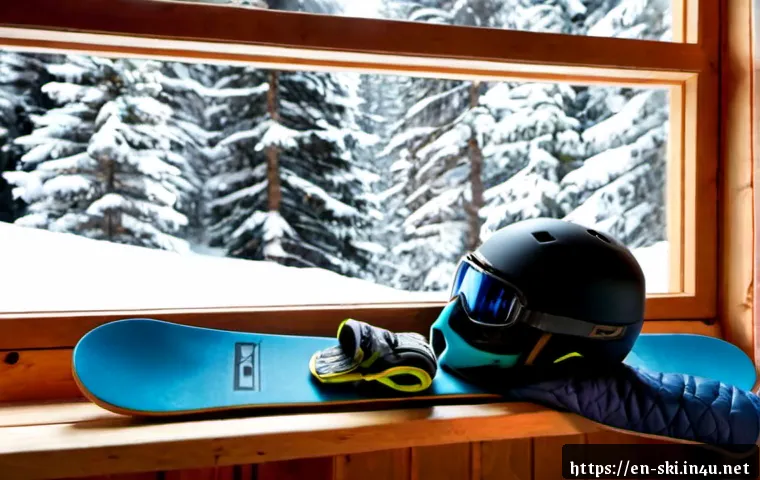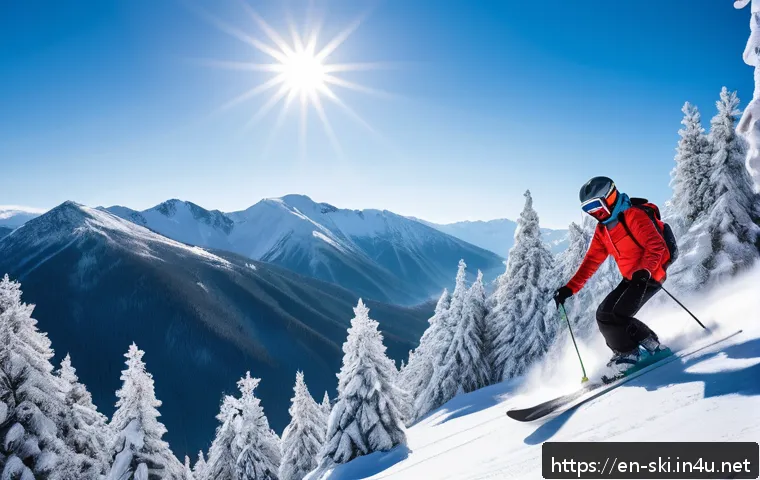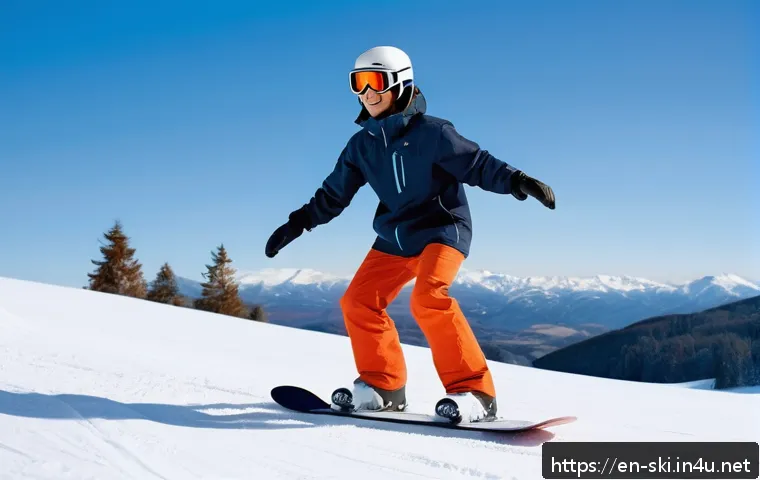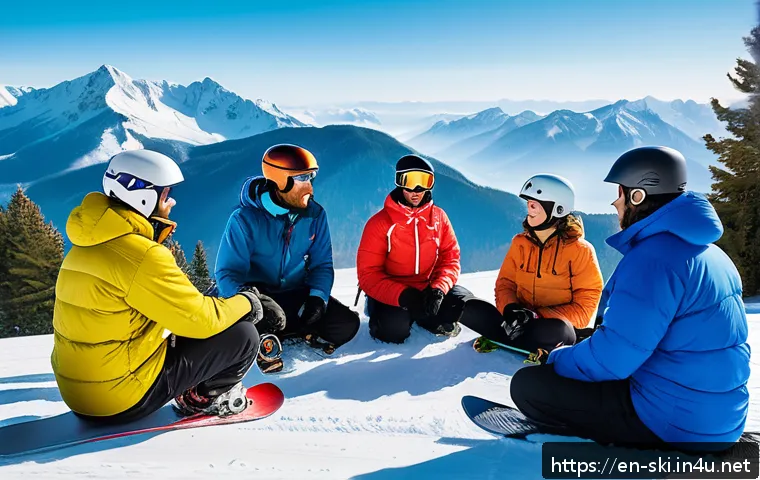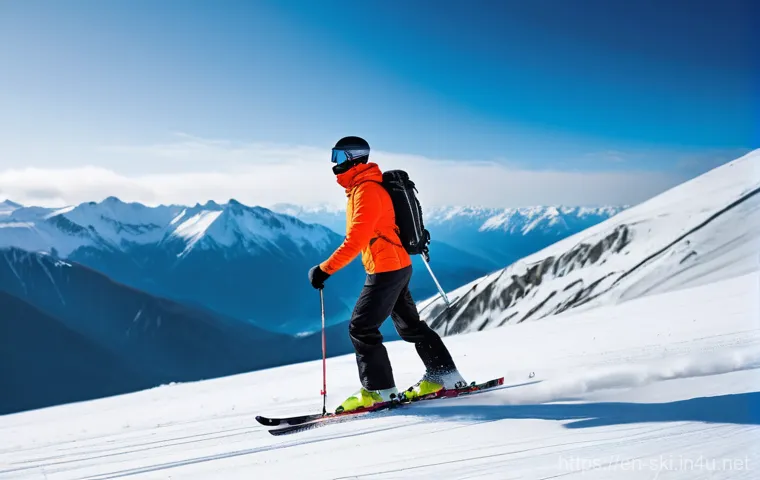
Hey there, fellow snow fanatics! As someone who practically lives on the slopes, I know the thrill of carving through fresh powder is unmatched. But let’s be real, a perfect ski day isn’t just about the snow quality; it’s hugely about being prepared for whatever Mother Nature throws at you.
I’ve learned this the hard way on more than one unforgettable trip, from unexpectedly balmy spring skiing in the Rockies to bone-chilling blizzards in the Alps!
Forget a one-size-fits-all approach to packing; that’s a rookie mistake. The climate at your chosen resort can drastically change what you need, affecting everything from your base layers to your outer shell, and even whether those trendy heated gloves are a must-have or overkill.
We’re seeing incredible innovations in ski apparel, with smart fabrics and sustainable options that weren’t even a dream a few years ago. You want to make sure you’re getting the most out of these advancements to stay comfortable and perform your best.
Knowing exactly what to pack for varying temperatures and conditions isn’t just about comfort; it truly elevates your entire experience on the mountain.
Getting it right means you can focus on the fun, not on shivering or sweating. Let’s dive deep into exactly what you’ll need for any climate you might encounter.
Conquering the Chill: Mastering Extreme Cold Conditions
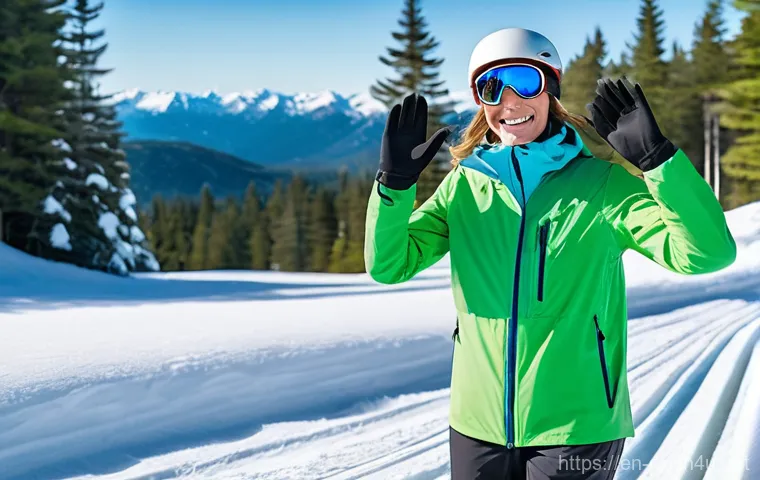
When the mercury dips and the wind howls, a day on the mountain can quickly turn from exhilarating to excruciating if you’re not properly geared up. I’ve had more than my fair share of frosty mornings in places like Jackson Hole, Wyoming, where the temperatures can plummet well below zero, or even hitting those high-altitude runs in the French Alps during a January cold snap.
Trust me, there’s a distinct art to dressing for these conditions, and it goes way beyond just throwing on a thick jacket. It’s about smart layering and understanding how your body generates and loses heat.
My personal rule of thumb? Always pack one more layer than you think you’ll need for extreme cold, because it’s easier to shed an extra vest than to wish you had one while you’re shivering on the chairlift.
You want to prioritize insulation that still allows for freedom of movement, because nobody wants to feel like the Michelin Man trying to navigate a black diamond.
The Foundation of Warmth: Base Layers That Perform
Think of your base layer as your second skin – it’s arguably the most critical component for staying warm and dry. For truly frigid days, I always reach for merino wool or high-quality synthetic thermal underwear.
Merino wool, in particular, has been a game-changer for me. It wicks moisture like a champ, keeping you dry even when you’re working up a sweat, and it still insulates even if it gets a little damp.
Plus, it has natural anti-odor properties, which is a huge bonus after a full day of hard skiing. Synthetics are great too, often more affordable, and incredibly effective at moisture management.
I remember one epic powder day in Utah where I wore a mid-weight merino base layer, and it kept me perfectly comfortable from first chair to last, even when the wind picked up unexpectedly.
Don’t skimp here; a cheap cotton t-shirt as a base layer will just soak up sweat and leave you feeling clammy and cold – a rookie mistake I learned quickly in my early days.
Insulation is Key: Mid-Layers and Outer Shells
Once your base is sorted, it’s all about trapping that warmth. For mid-layers, I’m a big fan of fleece jackets or lightweight down vests. A good fleece provides excellent warmth-to-weight ratio and breathes well, preventing you from overheating.
On those truly brutal days, a thin down jacket worn under your shell can make all the difference. For the outer shell, you absolutely need something waterproof and windproof with good breathability.
Gore-Tex or similar proprietary membranes are non-negotiable for serious cold. I once had a cheap jacket that claimed to be waterproof, only to find myself soaked through after a few hours in a blizzard at Whistler Blackcomb.
Never again! Look for sealed seams, adjustable cuffs, and a powder skirt. The shell’s job isn’t to make you warm, but to protect your inner layers from the elements, ensuring they can do their job effectively.
Embracing the Sunshine: Navigating Warmer Weather and Spring Skiing
There’s a special kind of magic to spring skiing – bluebird days, softer snow, and the ability to ditch some of those bulky layers. But don’t let the sunshine fool you; warmer conditions bring their own unique set of challenges.
I’ve been caught out many times, sweating through my heavy winter gear on a surprise 40-degree Fahrenheit day at Lake Tahoe, only to then freeze when the sun dipped behind a cloud.
The trick here is adaptability. You’re no longer battling extreme cold, but rather managing fluctuating temperatures and slushy, wet snow. It’s about smart fabric choices that breathe incredibly well and offer excellent moisture wicking, ensuring you stay comfortable without feeling clammy.
This is where those lighter, more flexible pieces in your ski wardrobe truly shine, allowing you to enjoy the softer snow and lively après-ski scene that spring brings.
Light and Agile: Adapting Your Layers for Comfort
When the sun is beaming, you’ll want to lighten your load significantly. I usually swap out my heavy thermal base layers for lighter, breathable versions or even skip the mid-layer entirely on particularly warm afternoons.
A good quality technical t-shirt or a thin merino wool top can be perfect for those milder days. The focus shifts from maximum insulation to maximum breathability and moisture transfer.
I’ve found that a thin, quick-drying fleece or even just a long-sleeved technical top is often enough for a mid-layer, providing a touch of warmth without causing you to overheat during strenuous runs.
The goal is to avoid that uncomfortable clammy feeling that comes from trapping too much heat. Remember, you’ll still be exerting yourself, and you’ll want your clothing to keep pace with your body’s temperature regulation.
Battling the Slush: Waterproofing for Wet Conditions
Warmer temperatures inevitably lead to softer, often slushier snow, which means you’re far more likely to get wet. This is where your outer shell’s waterproofing truly earns its keep.
While a burly winter jacket is often overkill, you still need a shell that can stand up to constant contact with wet snow and the occasional slushy fall.
I usually opt for a lighter-weight, highly waterproof and breathable shell, often without much insulation. Think a good 3-layer Gore-Tex jacket and pants.
The critical point here is protection from moisture without adding unnecessary warmth. Waterproof gloves are also non-negotiable; wet hands are miserable, even on a warm day.
I’ve learned the hard way that a little extra protection in the waterproofing department can save your day from turning into a soggy mess.
The Mountain’s Mood Swings: Adapting to Variable Conditions
If there’s one thing the mountains teach you, it’s humility and the importance of being prepared for anything. I’ve been on trips where the forecast promised sunshine, only for us to wake up to a whiteout, or where a mild morning transformed into an icy afternoon.
This unpredictability, from sudden temperature drops to unexpected squalls, is a hallmark of high-altitude environments. It’s less about a specific climate and more about being ready for *any* climate change within a single day.
My best advice here comes from years of trial and error in places like Big Sky, Montana, or the high peaks of Colorado, where weather patterns can shift dramatically in a matter of hours.
The key is a versatile packing strategy that allows for quick adjustments, ensuring you’re always comfortable, whether the sun is blazing or a storm is rolling in.
The Art of the “Just In Case” Layer
This is where those versatile, lightweight pieces truly shine. I always pack a packable down vest or a thin, high-performance fleece that can be easily added or removed.
These “just in case” layers are lifesavers when the wind picks up unexpectedly or a cloud bank moves in, dropping the temperature by 15 degrees. They’re also perfect for those chairlift rides when you’re exposed to the elements.
I remember one morning in Aspen, it started off mild, and I almost left my mid-layer in the locker. By lunchtime, a quick-moving storm had rolled in, and I was so grateful for that lightweight fleece I had stashed in my backpack.
It’s about having options that don’t add too much bulk but provide significant protection when needed. Think modularity; pieces that can work together or individually to create the perfect microclimate around your body.
Accessorizing for Adaptability: Beyond the Big Ticket Items
Often overlooked, but absolutely crucial for variable conditions, are your accessories. We’re talking neck gaiters, buffs, extra pairs of gloves, and different lens options for your goggles.
A simple neck gaiter can go from a thin piece of fabric to a lifesaver in a sudden gust of wind, protecting your face and neck from biting cold. I always carry two pairs of gloves: a warmer, insulated pair for the mornings and a lighter, more waterproof pair for the afternoon slush.
Having goggles with interchangeable lenses (or even a spare pair) is a game-changer for visibility when light conditions change drastically from bright sunshine to flat light or heavy snow.
These small additions don’t take up much space but provide immense flexibility to handle whatever the mountain throws at you.
Smart Gear Choices: Tech Essentials for the Slopes
We’re living in an incredible era of innovation, and ski gear is no exception. Gone are the days of clunky, basic equipment. Today’s market is flooded with smart tech designed to enhance your performance, comfort, and even safety on the mountain.
As someone who’s always keen to try out the latest gadgets, I’ve seen firsthand how these advancements can truly elevate a ski trip. From heated everything to advanced navigation tools, integrating technology thoughtfully into your packing list can make your day smoother, safer, and ultimately, more enjoyable.
It’s not about being overloaded with gadgets, but selecting those few pieces that genuinely make a difference.
Heated Gear: A Winter Game Changer
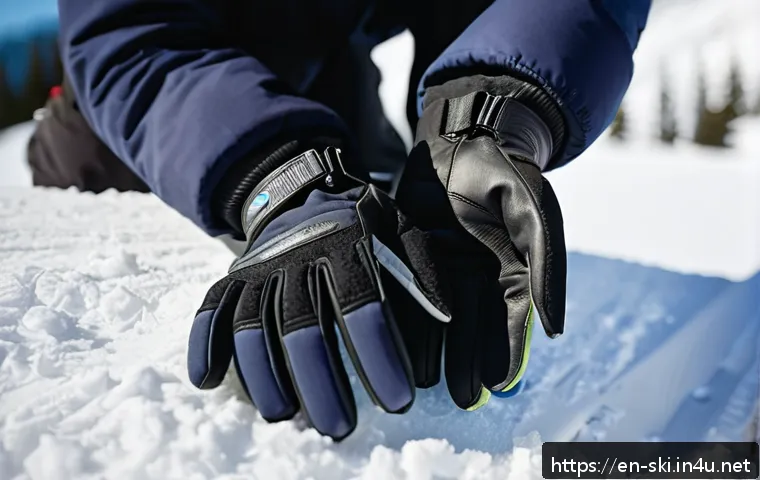
If you’ve never experienced heated gloves or boot liners, you’re missing out. For anyone who struggles with cold extremities, these are an absolute game-changer.
I used to dread those frigid mornings when my fingers would go numb within an hour, but heated gloves have completely eliminated that problem for me. They typically come with rechargeable batteries and adjustable heat settings, allowing you to tailor the warmth to the conditions.
Heated boot liners are another fantastic innovation, ensuring your feet stay toasty and comfortable all day long, which significantly improves circulation and overall comfort.
While they can be an investment, the extended time you’ll be able to spend comfortably on the slopes, especially in colder climates, makes them worth every penny in my book.
My trips to places like Revelstoke in Canada have been infinitely more enjoyable thanks to these cozy additions.
Navigation and Communication: Staying Connected and Safe
In the vastness of the mountains, staying oriented and connected is paramount. A reliable GPS-enabled smartwatch or a dedicated ski tracking app on your phone can provide invaluable data on your runs, elevation, and speed.
More importantly, it can help you navigate if you get disoriented. Beyond tracking, consider a portable power bank. Cold temperatures notoriously drain phone batteries, and you don’t want to be caught without communication or navigation when you need it most.
For group safety, especially when venturing into backcountry areas, carrying a two-way radio (like FRS/GMRS radios) or a satellite messenger like a Garmin InReach is critical.
It allows you to communicate with your group even when cell service is nonexistent, which is often the case in remote mountain regions.
Beyond the Runs: Aprés-Ski and Off-Mountain Comforts
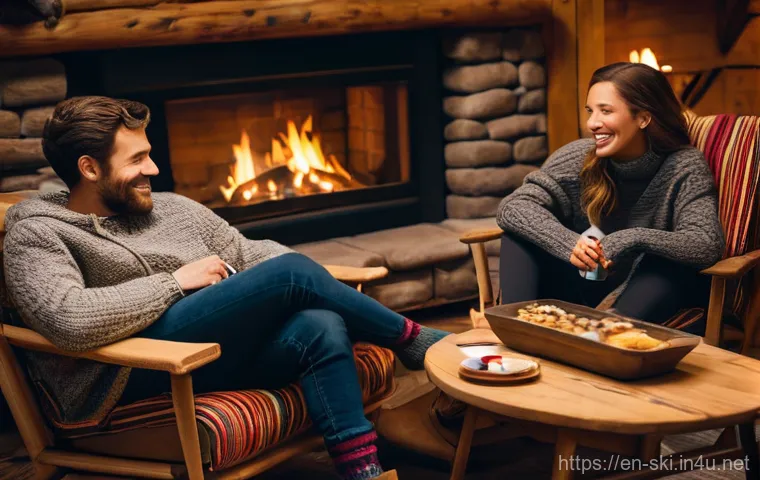
Let’s be real, a ski trip isn’t just about shredding the slopes. It’s about the whole experience, and a huge part of that is the aprés-ski scene, exploring the resort town, and simply relaxing after a grueling day.
Trust me, showing up to a cozy lodge or a fancy restaurant still clad in your ski boots and shell is a definite faux pas, and incredibly uncomfortable to boot!
I’ve made that mistake more times than I care to admit, especially during my first few trips to European resorts where style is just as important off the slopes as on them.
Packing smart for your off-mountain time is just as crucial as packing for the actual skiing, ensuring you can seamlessly transition from adrenaline-fueled runs to relaxed evenings.
Comfort and Style: Your Post-Ski Wardrobe
After a day of pushing your limits, there’s nothing better than slipping into something warm, comfortable, and dry. My go-to items for aprés-ski are cozy sweaters, warm leggings or jeans, and a comfortable pair of waterproof boots that aren’t ski boots.
Think soft merino wool pullovers, flannel shirts, and maybe a stylish yet functional puffy vest or jacket. You want pieces that feel great against your skin, help you regulate your body temperature after coming indoors, and still look presentable enough for dinner or drinks.
Don’t forget comfortable, warm socks! Your feet will thank you after being encased in ski boots all day. I always pack a pair of stylish but practical winter boots, like Sorel or UGGs, which are perfect for navigating snowy village streets.
Relaxation Essentials: Self-Care After a Big Day
Skiing is a full-body workout, and your muscles will definitely feel it by the end of the day. Packing some self-care essentials can make a huge difference in your recovery and overall enjoyment.
I always bring a small foam roller or a massage ball – a lifesaver for sore quads and glutes! Epsom salts for a warm bath are also fantastic for soothing tired muscles.
Consider a hydrating face mask and a good quality moisturizer, as the cold, dry mountain air can really take a toll on your skin. And don’t forget entertainment: a good book, a tablet for movies, or even a deck of cards for downtime in the lodge can make those relaxing moments even better.
After a tough day on the slopes, being able to truly unwind and pamper yourself is key to waking up refreshed and ready for another day.
| Condition | Key Gear Recommendation | Pro Tip from Me |
|---|---|---|
| Extreme Cold (< 0°F / -18°C) | Heavyweight merino base layers, down mid-layer, insulated Gore-Tex shell, heated gloves/boot liners, balaclava. | Layer a thin fleece over your base layer AND under your down mid-layer for max warmth without bulk. |
| Cold (0-20°F / -18- -7°C) | Mid-weight base layers, fleece mid-layer, waterproof/windproof shell, insulated gloves, warm beanie. | Always carry a neck gaiter; it’s incredibly versatile for adjusting warmth around your face and neck. |
| Mild (20-40°F / -7- 4°C) | Lightweight base layers, light fleece or vest, breathable waterproof shell, lighter gloves. | Opt for a shell with good pit zips and vents for easy temperature regulation. |
| Spring/Warm (> 40°F / 4°C) | Technical t-shirt, light waterproof shell (uninsulated), highly breathable pants, non-insulated waterproof gloves. | Consider a pair of sunglasses in addition to goggles for sunny aprés-ski or lunch on the patio. |
| Variable/Stormy | Packable down vest, spare goggle lens (low light), waterproof backpack cover, comprehensive first-aid kit. | Always check the updated mountain forecast the morning of, even if you checked it the night before! |
Sustainable Shredding: Making Eco-Conscious Choices
As passionate skiers, we spend countless hours immersed in the beauty of nature, and it only makes sense that we should do our part to protect it. Over the years, I’ve become increasingly aware of the environmental impact of our gear and our travel habits.
It’s not just about what you pack, but how those items are produced and what happens to them after their life cycle. This shift towards sustainability isn’t just a trend; it’s a responsibility, and thankfully, more and more brands are stepping up to offer fantastic eco-friendly options.
My goal now is always to find that sweet spot where high performance meets minimal environmental footprint, allowing me to enjoy the mountains knowing I’m making a more positive impact.
Investing in Longevity: Durability and Repairability
One of the simplest and most impactful ways to be sustainable is to invest in high-quality gear that lasts. Fast fashion and disposable items have no place on the slopes.
Choosing durable materials and well-constructed pieces means you’re not constantly replacing items, reducing waste and the demand for new production. Look for brands known for their craftsmanship and, ideally, those that offer repair services.
Patagonia, for example, has an excellent repair program, encouraging you to fix rather than replace. I’ve had some pieces for over a decade that are still performing beautifully because I chose quality over immediate cost savings.
It feels good to know that your favorite jacket isn’t going to end up in a landfill after just a couple of seasons; it’s a long-term relationship with your gear.
Eco-Friendly Materials and Production
Beyond durability, paying attention to the materials used in your gear can make a big difference. Look for items made from recycled content, like recycled polyester from plastic bottles, or natural fibers like organic cotton or ethically sourced merino wool.
PFC-free DWR (Durable Water Repellent) finishes are also becoming more common, replacing harmful chemicals with safer alternatives that still provide excellent waterproofing.
Many brands are also transparent about their supply chains and manufacturing processes, opting for fair labor practices and reduced carbon emissions. When I’m shopping for new gear now, I actively seek out certifications like Bluesign or Fair Trade, knowing that these labels indicate a commitment to environmental and social responsibility.
It’s a fantastic feeling to wear gear that aligns with your values.
Layering Like a Pro: The Art of Versatile Apparel
If there’s one fundamental principle that has revolutionized my comfort on the slopes, it’s mastering the art of layering. Forget those bulky, heavy jackets that make you feel like a marshmallow; modern ski apparel is all about building a flexible system that adapts to rapidly changing conditions.
I’ve seen countless beginners (and even some seasoned skiers!) make the mistake of over-dressing or under-dressing, leading to either sweating profusely or shivering uncontrollably.
The secret sauce, which I’ve refined over years of adventures in places like Banff and Verbier, lies in understanding how different layers work together to regulate your body temperature, wick away moisture, and protect you from the elements.
It’s about creating an adaptable microclimate around your body, allowing you to add or subtract warmth as needed throughout the day.
The Three-Layer At its core, professional layering revolves around the “three-layer system.” First, you have your base layer, which sits directly against your skin. Its primary job is to wick sweat away, keeping you dry and preventing that horrible clammy feeling. For me, merino wool or high-tech synthetics are the only way to go here. Second, there’s the mid-layer, designed for insulation. This is where you add warmth. Think fleece jackets, lightweight down vests, or even a softshell. The beauty of this layer is that you can adjust its thickness based on the temperature. On colder days, I might wear a thicker fleece; on milder days, a thinner one, or none at all. Finally, the outer shell is your armor against wind, snow, and rain. This layer needs to be fully waterproof and windproof, but also breathable, to let moisture escape. It protects your inner layers, ensuring they can do their job effectively.
Beyond the Big Three: Fine-Tuning Your System
While the three-layer system is your foundation, there are nuances that can elevate your comfort even further. Consider the fit of your layers: they should be snug enough to trap air but not so tight that they restrict movement or circulation. Look for features like zippered vents (pit zips on jackets, thigh vents on pants) that allow for rapid heat dumping when you’re working hard. I personally love convertible pieces, like pants that have integrated gaiters or jackets with removable hoods, offering even more flexibility. And don’t forget your head, hands, and feet – these extremities are crucial for temperature regulation. A warm beanie, insulated gloves (with liners for really cold days), and good quality ski socks are essential parts of your layering strategy. It’s all about creating a personal comfort bubble that lets you focus on the exhilaration of the descent, not on battling the cold or heat.
Concluding Thoughts
Well, fellow mountain enthusiasts, what a journey it’s been! From battling the biting winds of a powder day to soaking up the glorious sun on a spring slush session, the mountains truly offer an incredible spectrum of experiences. What I hope you take away from all this is that true enjoyment on the slopes isn’t just about the perfect run, but about being perfectly prepared for whatever Mother Nature throws your way. It’s about smart choices, understanding your body, and investing in gear that genuinely enhances your time outdoors. Every season, every condition, holds its own magic, and with the right approach, you can embrace it all, carving out unforgettable memories and pushing your limits, comfortably and confidently. I absolutely love sharing these insights, and I’m already looking forward to our next adventure together!
Useful Information to Know
1. Always check the local mountain forecast multiple times, especially on the morning of your ski day, as conditions can change rapidly in high-altitude environments.
2. Don’t underestimate the power of accessories like neck gaiters, thin glove liners, and extra lens options for your goggles; they can drastically improve comfort and adaptability.
3. Hydration is key! The dry mountain air and physical exertion can lead to dehydration, so drink plenty of water throughout the day, not just during breaks.
4. Invest in proper ski socks – they make a huge difference in boot comfort and warmth, preventing blisters and cold feet far better than regular cotton socks.
5. Consider getting your ski boots custom fitted; well-fitting boots can transform your skiing experience, providing better control and eliminating common discomforts.
Key Takeaways
Mastering comfort on the slopes boils down to adaptable layering, investing in high-quality gear for varied conditions, and making eco-conscious choices. Prioritize moisture-wicking base layers, insulation suitable for the temperature, and a waterproof, windproof outer shell. Don’t forget crucial accessories and heated gear for extreme cold. Always prepare for the unexpected and remember that smart gear choices extend beyond the runs to your aprés-ski comfort and sustainable practices, ensuring a truly enjoyable and responsible mountain experience.
Frequently Asked Questions (FAQ) 📖
Q: How do I really know what kind of base layers and outer shells to bring when the weather forecasts are all over the place, like expecting a super cold snap one day and bluebird spring skiing the next?
A: Oh, I totally get this struggle! I’ve been there, staring at my suitcase with a pile of gear and a weather app that seems to be having an identity crisis.
Here’s my hard-won wisdom: think in adaptable layers, not fixed outfits. For those brutally cold days, my go-to is always a merino wool base layer – it’s a game-changer because it keeps you warm even if it gets damp, and it breathes surprisingly well.
I layer that with a mid-weight fleece or a thin puffy vest if I know it’s going to be really biting. Then, for my outer shell, I always opt for something with GORE-TEX or a similar waterproof, windproof membrane, but crucially, uninsulated.
Why uninsulated? Because that allows me to control my warmth with my mid-layers. Now, for those glorious, warmer spring days, you’d be surprised how little you need.
I often swap my heavy merino base for a lighter synthetic one that wicks sweat like a champ. Sometimes, I even skip the fleece mid-layer altogether and just rock a lightweight, breathable shell over my base.
I’ve found that having a good pair of convertible ski pants (the kind with vents) is also a lifesaver when the sun starts beaming. The key is flexibility – you want to be able to shed or add a layer quickly without having to run back to the lodge.
Trust me, I once spent an entire afternoon sweating profusely in the Rockies because I overestimated the cold, and I swore never again! It’s all about having options to adjust to whatever the mountain throws at you, minute by minute.
Q: With all the new gear coming out, what are some of the absolute must-have innovations or pieces of equipment you’ve found really make a difference for adapting to various conditions on the mountain?
A: This is where it gets exciting, right? The advancements in ski gear are just phenomenal. From my own experience, the biggest game-changer has been heated gloves or mittens.
I used to dread those days when my fingers would go numb no matter how many hand warmers I shoved in there. Now, with a good pair of rechargeable heated gloves, I can stay out on the coldest days comfortably.
It’s truly revolutionary, especially if you get cold hands easily like I do. Another innovation I swear by is smart layering systems. Brands are really focusing on creating cohesive systems where a base, mid, and outer layer work together seamlessly.
Look for pieces with strategically placed vents or those made with body-mapping technology that offers insulation where you need it most and breathability elsewhere.
I’ve also found a lot of value in photochromic goggles. They automatically adjust their tint based on light conditions, which is fantastic for those days when you have flat light in the morning and bright sunshine in the afternoon.
No more swapping lenses on the chairlift! And if you’re into sustainability, many brands are now offering high-performance gear made from recycled materials, which is a huge win for the planet and often just as durable.
These innovations aren’t just trendy; they genuinely make a tangible difference in how much you enjoy your time carving up the mountain.
Q: Beyond the obvious skis, boots, and clothing, what are some often-overlooked essentials that you’ve found crucial for staying safe, comfortable, and having the best time, especially when conditions are unpredictable?
A: Ah, the unsung heroes of the ski bag! This is where seasoned skiers really shine. First off, for unpredictable conditions, a small, lightweight backpack is non-negotiable for me.
It’s perfect for stashing an extra mid-layer, some snacks, water, and crucially, a small first-aid kit. You never know when you or a friend might need a bandage or some pain relief.
I learned this the hard way when I got a nasty goggle rub in the middle of nowhere and wished I had some balm! Secondly, sunscreen and lip balm with SPF are absolute musts, even on cloudy days or in super cold weather.
The sun’s reflection off the snow is intense, and I’ve seen some brutal sunburns even in winter. Don’t forget your neck and ears! Another thing I always carry is a portable charger for my phone.
You’d be surprised how quickly cold weather drains your phone battery, and having a dead phone on the mountain, especially if you need to meet up with friends or use a trail map app, can be a real headache.
Finally, a small, multi-tool can be a lifesaver for minor binding adjustments or unexpected gear fixes. These might seem like small details, but when you’re out there on the mountain, these “extra” items can genuinely turn a potentially challenging situation into a smooth and enjoyable experience.
They’re the little things that give you peace of mind and let you focus on the shredding!