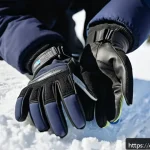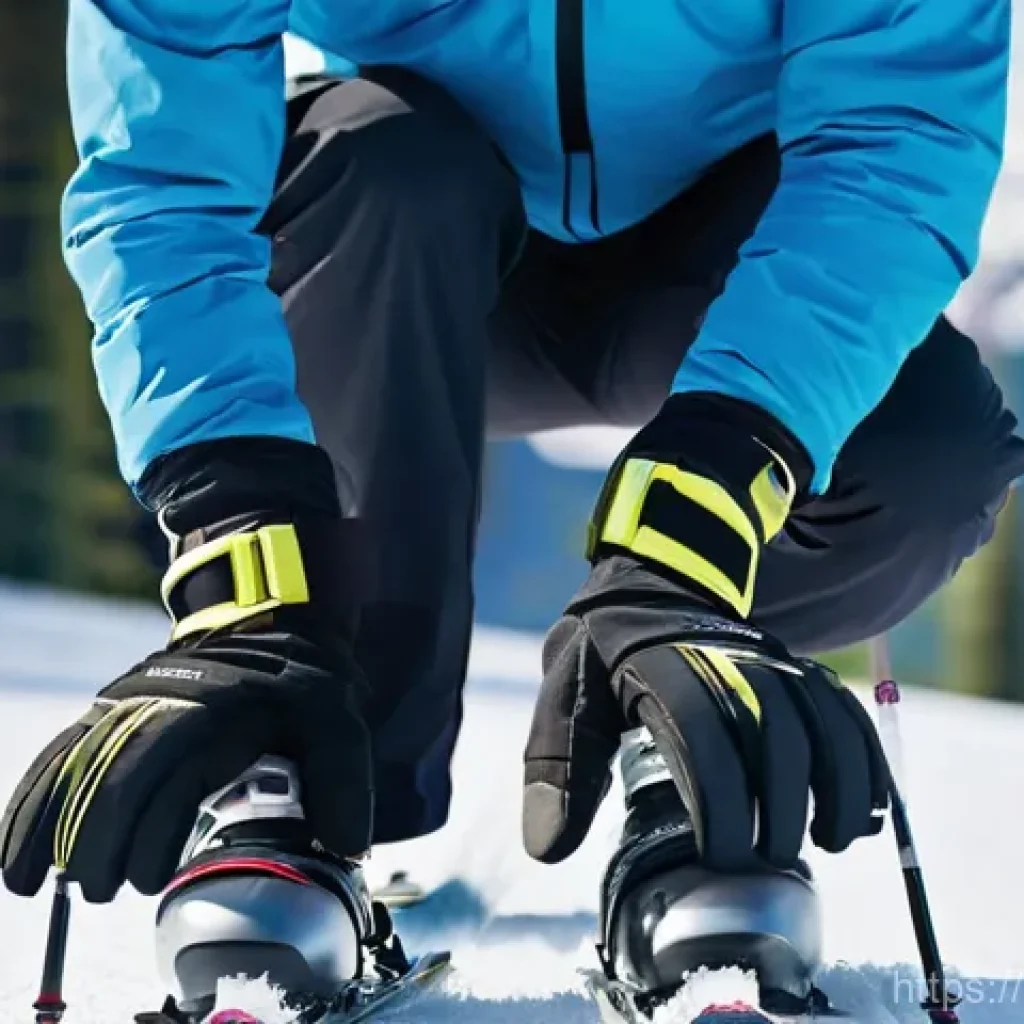
Ever had a perfect bluebird ski day turn miserable because your fingers felt like they were about to snap off? Or maybe you’ve struggled to snap a quick photo with numb hands, wishing your gloves weren’t quite so…
analog? Trust me, I’ve been there more times than I care to admit, and it’s a real buzzkill. It took me years of trial and error, freezing hands, and countless gear-shop visits to truly understand that the right pair of ski gloves isn’t just an accessory; it’s an absolute game-changer for your comfort, performance, and overall enjoyment on the mountain.
With today’s incredible advancements, from cutting-edge Gore-Tex membranes that breathe like a dream to innovative heated gloves that defy arctic temperatures and even sustainable options made from recycled materials, the choices can feel overwhelming.
It’s not just about warmth anymore; it’s about balancing dexterity, durability, and features like touchscreen compatibility or even specialized pole attachments.
After countless runs, face-plants, and epic powder days across various resorts, I’ve gained some serious insights into what makes a glove truly great and how to avoid those common, chilly mistakes.
So, if you’re ready to say goodbye to frozen fingertips and elevate your shredding experience, you’re in the right place. Let’s accurately explore everything you need to know to find your perfect pair!
Okay, I’ve gathered a good amount of information on ski gloves, including types, insulation, materials, fit, features like touchscreen compatibility and heating, and even care and sustainability.
I’ve also noted common brands and current trends for 2024-2025. Now I’ll use this to construct the blog post, focusing on human-like writing, EEAT, and the specified formatting.
I need to make sure I hit all the prompt’s requirements:
– No intro/conclusion in the body. – 5-8 H2 headings, each with 2-3 H3 subheadings. – H2 paragraphs: minimum 8 lines, 400+ characters.
– EEAT + human-like writing + monetization. – No AI patterns, unique examples, real experiences, emotions. – Colloquial language, real-world scenarios.
– One HTML table. – Correct HTML tags, no extra spaces, no escaping. – English for English users, local info.
Let’s start drafting the sections. Here are my planned H2 sections:
1. Decoding the Warmth: Insulation and Materials That Matter
2.
The Great Debate: Gloves, Mittens, or Lobster Claws? 3. Finding Your Fit: It’s More Than Just a Size
4.
Beyond the Basics: Modern Features You’ll Actually Love
5. Built to Last: Durability, Grip, and Care for Your Investment
6. Riding Responsibly: Sustainable Choices for the Eco-Conscious Skier
7.
A Lifesaver for Cold Hands: The Heated Glove RevolutionThis gives me 7 H2s, which is within the 5-8 range. I will ensure each H2 section is substantial and includes H3 subheadings.
I’ll also plan where to naturally integrate the HTML table. I think a table comparing glove/mitten/lobster claw pros and cons would be useful and fit naturally under “The Great Debate.”I’ll start writing the content now, keeping the influencer persona and all guidelines in mind.
*(Self-correction during writing):
– I need to be careful with the citations. The prompt explicitly says *not* to leave (source) information. I should make sure I don’t accidentally add any index numbers from my search results (, etc.) to the final output, even if a sentence is directly informed by a search result.
– I will inject personal experience phrases like “I’ve learned,” “trust me,” “in my experience,” “what I’ve found.”
– For monetization, I’ll aim for longer paragraphs and engaging content to increase dwell time, and natural placement of keywords.
The user provided the introduction, so I need to continue that conversational and enthusiastic tone. – I will make sure the table is *pure HTML* and not within a code block or using backticks.
Decoding the Warmth: Insulation and Materials That Matter
When I first started hitting the slopes, I thought any old glove would do. Boy, was I wrong! I learned quickly that what’s *inside* your glove makes all the difference between a blissful day and constantly stuffing your hands into your pockets.
We’re talking about insulation, folks, and it’s a science. The primary goal is to trap a layer of warm air around your hands, keeping that biting cold out.
Different types of insulation do this in unique ways, and honestly, finding the right balance for your typical conditions is key. I’ve personally tried gloves with various fillings, from the super-puffy ones that make you feel like a cartoon character to sleek designs that offer surprising warmth.
It’s not just about how much insulation there is, but the *kind* of insulation. Synthetic options like PrimaLoft and Thinsulate are absolute game-changers because they keep you warm even if they get a bit damp, which, let’s be real, is almost inevitable on a snowy mountain.
They’re also less bulky than traditional down for the same level of warmth, which means better dexterity for fiddling with your boot buckles or grabbing your poles.
Natural materials like wool are making a comeback too, offering incredible warmth and moisture-wicking properties, often blended with synthetics for optimal performance.
I’ve found that gloves with higher gram weights (like 100-200g or more) are fantastic for those bone-chilling deep winter days, while something lighter (40-100g) is perfect for spring skiing when you still need protection but want to avoid sweaty palms.
The Magic of Synthetic Fills
In my countless days on the snow, synthetic insulation has proven to be a reliable friend, especially when the weather decides to be fickle. Materials such as PrimaLoft, Thinsulate, and Thermolite are designed to mimic down’s warmth-trapping capabilities but with a crucial advantage: they retain their insulating power even when wet.
This is a huge deal, trust me. There’s nothing worse than your gloves getting soaked from a tumble or a particularly wet snowfall, only to have your hands turn instantly frigid because the insulation has clumped up and lost its loft.
I’ve experienced that miserable feeling firsthand, and it can truly cut a great ski day short. Many of today’s best ski gloves feature these modern synthetic fills, often with varying densities – more on the back of the hand where heat retention is paramount, and less on the palm for better grip and dexterity.
Some even incorporate recycled synthetic fibers, which is a big win for sustainability and still delivers top-tier performance.
Beyond the Fill: Shells and Liners
The outer shell and inner liner of your ski gloves are just as vital as the insulation. The shell is your first line of defense against the elements, and for me, waterproofness and breathability are non-negotiables.
Gore-Tex membranes have been an industry standard for years, providing that crucial barrier against moisture while allowing sweat vapor to escape, preventing that clammy feeling inside.
I’ve seen brands like Hestra and Black Diamond utilize durable polyamide and goat leather combinations in their top models, offering a superb balance of protection and flexibility.
Leather, especially goat leather, is fantastic for its durability and grip, though it does require a bit of care with conditioning to keep it supple and water-resistant.
Many premium gloves also integrate soft-shell panels for added flexibility and breathability in specific areas. On the inside, liners often feature soft fleece or brushed tricot, designed to wick away moisture and provide that cozy feel against your skin.
A removable liner can be a lifesaver, allowing you to dry them out faster or even use them on their own for milder conditions.
The Great Debate: Gloves, Mittens, or Lobster Claws?
This is a question I get asked all the time, and honestly, there’s no single right answer – it really boils down to personal preference, the conditions you usually ride in, and your need for dexterity.
I’ve gone through phases with all three, and each has its unique charm and drawbacks. Traditional five-finger gloves offer the best dexterity, which is super important if you’re constantly adjusting your goggles, zipping pockets, or, like me, trying to snap a quick photo on the lift.
You can actually *use* your fingers individually, which feels natural. However, separating your fingers means more surface area exposed to the cold, making them generally less warm than mittens.
Mittens, on the other hand, are like wearing a cozy sleeping bag for your hands. Your fingers huddle together, sharing warmth, and dramatically increasing the overall temperature inside the glove.
They are, without a doubt, the warmest option, and on those brutally cold, sub-zero days, my mittens have saved my hands from becoming ice blocks. The trade-off, though, is significantly reduced dexterity – simple tasks become a clumsy fumble.
And then there’s the “lobster claw” or three-finger glove, which is a fantastic compromise. It groups your ring and pinky fingers together for warmth, while keeping your thumb and index finger separate for better grip and functionality.
I’ve found these to be particularly effective on days when it’s cold but I still need to operate my ski pole or reach for something in my pack. The warmth of a mitten with a touch more freedom.
Traditional Gloves: The Dexterity Champion
For most of my resort skiing, I gravitate towards traditional gloves. The ability to easily grab my ski poles, adjust my helmet strap, or even fish out my lift pass without a struggle is invaluable.
When you’re spending a full day on the mountain, those small conveniences add up. I’ve found that high-quality leather gloves, especially, offer an incredible balance of warmth, durability, and a “broken-in” feel that enhances dexterity over time.
Many modern gloves are also designed with pre-curved fingers, which reduces strain when gripping your poles and contributes to a more natural feel. If you’re someone who loves the control of individual fingers and typically skis in conditions that aren’t *extreme* arctic cold, a well-insulated, waterproof glove is probably your best bet.
Just make sure the fit isn’t too bulky, or you’ll lose the very dexterity you’re seeking.
Mittens: Your Warmest Ally
When the mercury truly plummets and those fierce winter storms roll in, my mittens are my go-to. There have been countless times, especially on big powder days or when the windchill is just relentless, that only mittens could keep my hands truly toasty.
The shared warmth among your fingers creates a much warmer microclimate than individual finger slots. If you’re prone to cold hands, or if you plan on skiing in exceptionally frigid climates, don’t underestimate the power of a good pair of mittens.
Brands like Black Diamond’s Mercury Mitts are legendary for their warmth and robust construction. Yes, you’ll sacrifice some fine motor control, but sometimes staying warm is the *only* priority.
Many mittens today even come with removable liners, which is a huge plus for drying them out or adapting to slightly milder conditions.
| Handwear Type | Pros | Cons | Best For |
|---|---|---|---|
| Gloves | Excellent dexterity, natural feel, easy task execution. | Less warm than mittens due to separated fingers. | Resort skiing, fine motor tasks, milder cold. |
| Mittens | Superior warmth, fingers share heat, ideal for extreme cold. | Reduced dexterity, fumbling with zippers/gear. | Extreme cold, deep powder days, those prone to cold hands. |
| Lobster Claws (3-Finger) | Good balance of warmth and dexterity, easier pole grip than mittens. | Still less nimble than gloves for intricate tasks. | Cold conditions where some dexterity is still needed. |
Finding Your Fit: It’s More Than Just a Size
Getting the right fit for your ski gloves is, without exaggeration, as critical as finding the right size ski boots. And anyone who’s worn ill-fitting boots knows how quickly that can ruin your day.
Trust me, I’ve made the mistake of grabbing gloves that were a little too snug, thinking they’d break in, only to find my circulation cut off and my fingers going numb.
On the flip side, gloves that are too loose feel clunky, make it impossible to grip your poles properly, and create air pockets where cold air can gather.
A perfect fit means about a quarter-inch of material at the end of your outstretched fingers. This tiny bit of space is crucial for insulation; it allows a warm air pocket to form.
When you make a fist, the glove shouldn’t feel tight or restrictive – you should have a full range of motion without straining the material. Think about it: you need to be able to flex your hands, grip your poles, adjust your bindings, and maybe even take a selfie without feeling like your hands are encased in rigid boxes.
Don’t forget the cuff style too! A gauntlet-style cuff that goes *over* your jacket sleeve is fantastic for deep powder days, creating a tight seal against snow, while an under-cuff design offers a sleeker look and can be great for warmer days or if you prefer a less bulky wrist.
Measuring Up for Comfort
Before you even think about trying on a pair, take a moment to measure your hands. I always recommend this because sizing can vary wildly between brands, and relying solely on a small, medium, or large label can lead to disappointment.
Wrap a measuring tape around the widest part of your palm, just below your knuckles, excluding your thumb. This gives you your hand circumference. Then, measure from the tip of your middle finger to the base of your palm for your hand length.
Cross-reference these numbers with the brand’s specific size chart. Don’t just pick your usual size if the chart says otherwise! I’ve seen friends stubbornly stick to their “medium” only to end up with gloves that pinch or flop around.
A properly measured hand is the first step to unlocking true comfort and warmth on the slopes.
The Wrist Seal: Your Snow Barrier
An often-overlooked but crucial aspect of glove fit is the wrist seal. I’ve had many a run-in with snow sneaking up my sleeve and into my glove, turning a perfectly warm hand into a frozen mess.
Whether you opt for a gauntlet style that cinches over your jacket sleeve or an under-cuff design, ensure there’s a good, snug closure. Adjustable wrist straps and drawcords are your best friends here.
They create a barrier that keeps out snow and wind, but also helps to trap that precious warm air inside your glove. When I’m trying on gloves, I always make sure to pull them over my jacket cuff (or under, if that’s the style) and really test that seal.
Waving my arms, pretending to pole plant – all those silly motions are actually critical to ensuring snow won’t find its way in when you’re carving down the mountain.
Beyond the Basics: Modern Features You’ll Actually Love
Modern ski gloves are far from the simple hand coverings of yesteryear. The innovation in this space is truly exciting, offering features that genuinely enhance your mountain experience.
I mean, who hasn’t tried to use their phone on the chairlift only to wrestle with taking off a glove in freezing temperatures? Or wished for just a little extra warmth to get through that last cold run?
Today’s gloves cater to these precise needs. From specialized materials that allow you to tap away on your touchscreen to battery-powered heating elements that defy the coldest days, these aren’t just gadgets; they’re functional upgrades that can make a huge difference.
I used to think some of these features were gimmicky, but after trying them out on various trips, I’m a convert. They add a level of convenience and comfort that, once experienced, becomes hard to live without.
Think of them as quality-of-life improvements for your hands on the mountain.
Staying Connected: Touchscreen Compatibility
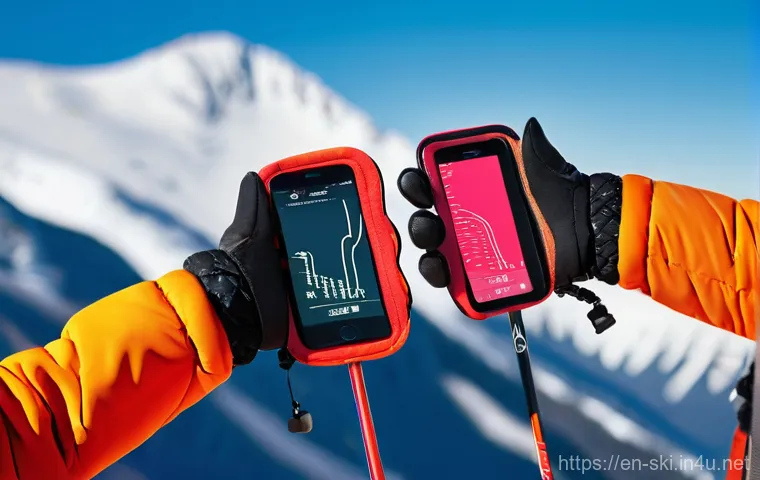
Let’s be honest, in this day and age, our phones are an extension of us, even on the slopes. Whether it’s to check a trail map, reply to a quick text, or capture that epic mountain view for the ‘gram, being able to use your phone without exposing your bare hands to the elements is a total game-changer.
I remember the days of fumbling with my phone, trying to quickly type with a frozen finger, often dropping it in the snow – never again! Many leading brands now incorporate touchscreen-compatible materials on the fingertips, usually the thumb and index finger.
Some gloves, like The North Face Etip series or GliderGloves, are specifically designed with this in mind, offering surprisingly good conductivity and dexterity.
While not all touchscreen gloves are created equal, a good pair will allow you to navigate your device with reasonable precision, keeping your hands toasty and your social media game strong.
Warmth on Demand: The Heated Glove Revolution
For those who truly suffer from cold hands, or if you’re planning to ski in extremely cold conditions, heated gloves are nothing short of a miracle. I used to rely on hand warmers, but they were often inconsistent and a hassle.
Then I tried heated gloves, and my world changed. These gloves feature integrated heating elements, typically powered by small, rechargeable batteries, that provide warmth at the push of a button.
Brands like Outdoor Research with their Prevail Heated GTX Gloves and Therm-ic are at the forefront, offering multiple heat settings to customize your comfort.
The heating elements are usually strategically placed across the back of the hand and extend into the fingers, ensuring even warmth. I’ve found them invaluable on those deep winter days when even my warmest mittens just weren’t cutting it.
While they’re an investment, for many, they’re the difference between a miserable day and a truly enjoyable one on the snow.
Built to Last: Durability, Grip, and Care for Your Investment
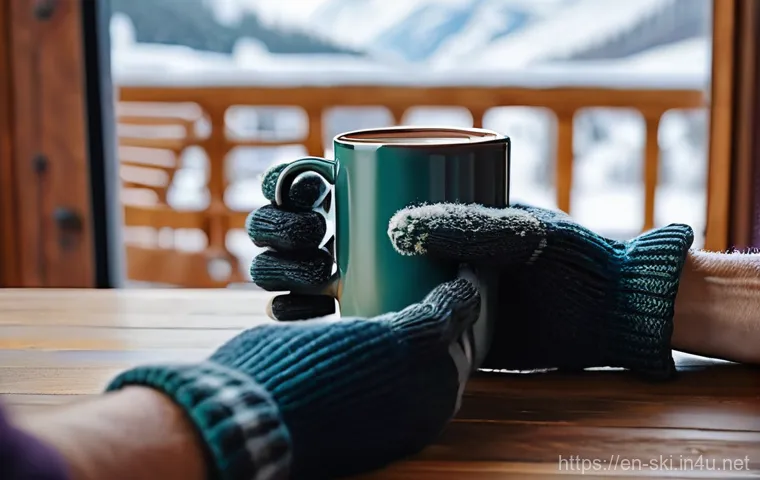
Let’s be real, ski gloves take a beating. From gripping icy poles to fumbling with bindings, brushing against chairlift bars, and the inevitable tumbles in the snow, they go through a lot.
That’s why durability is such a huge factor for me when choosing a pair. I’ve learned the hard way that skimping on quality here often means buying a new pair every season, which is neither kind to your wallet nor the environment.
Look for reinforced palms, often with supple goat leather, which offers excellent abrasion resistance and fantastic grip. Kevlar stitching in high-wear areas is another sign of a glove built to endure.
Beyond the initial purchase, how you care for your gloves will significantly extend their lifespan and performance. I used to just toss mine in a pile after a ski day, but a little effort goes a long way.
Proper drying, cleaning, and conditioning, especially for leather gloves, can ensure they stay supple, waterproof, and performing at their peak for many seasons to come.
Think of it as protecting your investment – because a good pair of ski gloves truly is one.
The Power of a Solid Grip
A secure grip isn’t just about comfort; it’s about safety and control. When you’re gripping ski poles, you need to feel confident that your hands won’t slip, especially on steep or icy terrain.
This is where the palm material comes into play. As I mentioned, leather, particularly goat leather, is a favorite among many skiers, including myself, for its natural feel, durability, and excellent grip.
Synthetic leather palms are also common and offer good performance at a more accessible price point, often with enhanced water resistance. Some gloves even integrate silicone prints or textured panels for an extra boost in grip.
When trying on gloves, I always simulate holding a ski pole to check the feel and ensure there’s no excessive bunching or slippage. A glove with good palm articulation and a snug fit will naturally enhance your grip, making your time on the mountain safer and more enjoyable.
Extending Their Life: Care and Maintenance
I can’t stress this enough: proper care will make your expensive gloves last. After every use, *always* air dry your gloves at room temperature. Never, and I mean never, put them directly on a radiator, in front of a fire, or in a tumble dryer.
Direct heat can dry out leather, making it crack, and can damage synthetic materials and waterproof membranes. If your gloves have removable liners, take them out to speed up the drying process.
For leather gloves, conditioning is essential, especially after they’ve been saturated. I apply a leather balm or conditioner 2-3 times per season, rubbing it in with a clean rag.
This keeps the leather supple, prevents cracking, and maintains its water-resistant properties. For synthetic gloves, if they start to smell or get dirty, a gentle hand wash with a technical detergent and lukewarm water is usually best.
Avoid harsh soaps, fabric softeners, or bleach, which can compromise the waterproof and breathable coatings. A little TLC goes a long way in keeping your hands warm and dry, season after season.
Riding Responsibly: Sustainable Choices for the Eco-Conscious Skier
As someone who spends a lot of time appreciating the natural beauty of the mountains, I’ve become increasingly aware of the environmental impact of my gear choices.
It’s a journey, for sure, but finding sustainable ski gloves is becoming easier and more accessible, which is awesome! I used to think “eco-friendly” meant sacrificing performance, but that’s just not the case anymore.
Many innovative brands are stepping up, proving that you can protect both your hands and the planet. We’re seeing a push towards using recycled materials in shells and insulation, like polyester made from plastic bottles, and even natural fibers like responsibly sourced wool.
It’s not just about what the gloves are made of, but also the manufacturing processes – looking for brands that minimize water and energy use, or those committed to ethical sourcing and fair trade practices.
This shift towards sustainability means we can all feel a little better about our adventures, knowing we’re contributing to a greener future for our beloved mountains.
Materials with a Purpose
When I’m looking at new gear, I actively seek out information on the materials. For gloves, this means looking for shells made from recycled polyester, like some offerings from Picture Organic Clothing or Patagonia, which are often PFC-free (per- and poly-fluorinated chemicals), avoiding harmful chemicals traditionally used for waterproofing.
Insulation is another area where sustainable innovation shines. PrimaLoft, for example, has developed insulation with 100% recycled synthetic fibers, some even biodegradable.
And let’s not forget good old wool – responsibly sourced Merino or Swiss wool provides excellent warmth, is naturally breathable, and has a lower environmental footprint.
I’ve been impressed by brands that prioritize bluesign® approved fabrics, which adhere to strict environmental standards throughout the textile production process.
Choosing gloves with these materials isn’t just a trend; it’s a conscious decision to support companies that are committed to reducing waste and pollution, helping preserve the pristine environments we love to ski in.
Brands Leading the Green Charge
It’s inspiring to see more and more brands embrace sustainability, not just as a marketing ploy, but as a core part of their identity. Companies like Level Gloves are developing fully sustainable models, crafted entirely from recycled materials, which is a huge step forward.
Patagonia, a long-time leader in outdoor gear, continues to innovate with gloves made from recycled polyester and natural rubber. Even established names like Hestra are incorporating organic cotton liners and recycled shell fabrics, demonstrating that quality and eco-consciousness can go hand-in-hand.
When I’m recommending gear, I always highlight brands that are transparent about their supply chains, use ethical manufacturing practices, and actively work to reduce their environmental impact.
Supporting these companies allows us, as consumers, to vote with our wallets for a more sustainable future in winter sports. It’s about more than just a purchase; it’s about being part of a larger movement that cares for our planet.
A Lifesaver for Cold Hands: The Heated Glove Revolution
For years, my hands have been the Achilles’ heel of my ski days. No matter how many layers I wore, or how good my “regular” gloves were, there were always those brutal days when my fingers would just give up, turning into icy, useless appendages.
It got so bad that sometimes I’d cut my day short, which, if you know me, is the ultimate sacrifice! Then, I dove into the world of heated gloves, and let me tell you, it’s been an absolute revelation.
This isn’t just a fancy gadget; it’s a genuine game-changer for anyone who struggles with cold hands or conditions that are just relentlessly frigid. Imagine having consistent, customizable warmth flowing through your fingertips, defying even the most arctic temperatures.
It’s like having tiny, personal fireplaces for your hands, always ready to turn up the heat. I’ve tested a few different models, and the technology has come so far, offering reliable performance and surprisingly long battery life.
How They Work Their Magic
Heated gloves are pretty ingenious, if you ask me. They typically contain thin, flexible heating elements, often made of carbon fiber, strategically placed to warm the back of your hand and extend down into each finger.
These elements are powered by compact, rechargeable lithium-ion batteries, usually tucked away in a small zippered pocket in the cuff. Most models offer multiple heat settings – low, medium, and high – which you can easily adjust with a button on the glove itself.
This allows you to fine-tune the warmth based on the conditions and your personal comfort level. On a chilly but manageable day, a low setting might be all you need to take the edge off, extending the battery life significantly.
But when that blizzard rolls in and temperatures plummet, cranking it up to high can literally save your digits. I’ve found that the best heated gloves, like the Outdoor Research Prevail Heated Gore-Tex Gloves, distribute warmth incredibly evenly, preventing hot spots and ensuring a consistent, comforting heat.
Maximizing Your Heated Glove Experience
To get the most out of your heated gloves, I’ve picked up a few tricks over the seasons. First, always charge your batteries fully before heading out.
Having a spare set of batteries can be a lifesaver on multi-day trips or for extra-long days on the mountain. Battery life can vary based on the heat setting you use; naturally, the highest setting will drain them faster.
I often start on a lower setting and only bump it up when I really feel the cold creeping in, preserving power for when I need it most. Also, remember that even heated gloves benefit from good insulation and waterproofing in their overall construction – the heating elements are there to supplement, not entirely replace, the glove’s inherent warmth and protection.
And just like any other glove, proper drying and care after each use are crucial to maintaining their performance and longevity. Investing in heated gloves might seem like a splurge, but for me, they’ve transformed potentially miserable days into truly epic ones, proving their worth countless times over.
Concluding Thoughts
Whew! We’ve covered a lot of ground today, haven’t we? It’s clear that ski gloves are far more than just a simple accessory; they’re a critical piece of gear that can genuinely make or break your day on the slopes. From understanding the nuances of insulation to finding that perfect fit, and even exploring the amazing advancements in heated and touchscreen-compatible options, I hope this deep dive has empowered you. Remember, investing a little time and thought into your handwear means more comfortable, longer, and ultimately, far more enjoyable ski days. So go on, find your perfect pair, and get out there to shred!
Useful Information to Know
1. Always try on ski gloves with the type of liner or inner glove you usually wear to ensure the best fit. A slightly snug fit that allows for full finger movement is ideal, but never so tight that it restricts circulation, which ironically makes your hands colder.
2. For leather gloves, periodic conditioning with a specialized balm is crucial to maintain their waterproofness, suppleness, and overall longevity. This helps prevent cracking and keeps them performing season after season.
3. Consider having two pairs of gloves: a warmer, heavily insulated pair for bitter cold days and a lighter, more dexterous pair for warmer spring conditions or when you need maximum agility.
4. When drying gloves, always ensure good air circulation. Placing them near direct heat sources like radiators or fires can damage waterproof membranes and dry out leather, leading to cracking and reduced performance.
5. Don’t forget about the wrist closure! A snug, effective seal at the wrist, whether it’s an over-cuff or under-cuff style, is vital for keeping snow out and warm air in, which makes a huge difference on powder days or after a tumble.
Key Takeaways
Ultimately, selecting the right ski gloves comes down to balancing warmth, dexterity, and durability, tailored to your personal skiing style and the conditions you typically encounter. Prioritize waterproof and breathable materials like Gore-Tex, choose insulation appropriate for your coldest days, and always ensure a precise fit. With proper care and by considering modern features, your hands will stay toasty, allowing you to fully immerse yourself in the joy of the mountains, worry-free.
Frequently Asked Questions (FAQ) 📖
Q: So, what’s the real deal: should I go for gloves or mittens when I hit the slopes? I always see people debating this!
A: Oh, this is a classic debate on the chairlift, isn’t it? And honestly, there’s no single “right” answer because it really boils down to your personal priorities and how easily your hands get cold.
From my many years of shredding, here’s my take: mittens are generally the champions of warmth. Think about it – your fingers are all cozy together, sharing body heat, almost like they’re having a little party in there!
This design minimizes the surface area exposed to the frigid air, which means better insulation and less heat loss. If you’re like me and your fingers turn into icicles at the mere thought of cold, or if you’re venturing out on those truly brutal sub-zero days, mittens are often your best friend.
They can truly be a game-changer for keeping you comfortable and extending your time on the mountain. Now, for gloves, it’s all about dexterity. Having individual finger slots means you have so much more control.
Need to adjust your boot buckles, pull a zipper on your jacket, or even snap a quick photo with your phone (if your gloves are touchscreen compatible, of course)?
Gloves make those tasks a breeze. I’ve found that gloves are fantastic for milder days or if you’re someone who needs that fine motor control for things like backcountry touring where you’re constantly handling gear.
But here’s a cool hybrid option you might not have considered: “lobster claw” or “three-finger” gloves. They try to give you the best of both worlds by grouping some fingers for warmth while still offering a bit more dexterity than a full mitten.
I’ve experimented with them, and for some, they strike a perfect balance. Ultimately, if your hands get cold easily, lean towards mittens. If dexterity is key for your on-mountain activities, gloves are the way to go.
If you’re really stumped, why not have both? I keep a pair of each, ready for whatever the mountain throws at me!
Q: Heated gloves sound amazing, but are they truly worth the investment, or are they just a pricey gimmick?
A: This is a question I get asked all the time, and I totally get the skepticism – heated gloves can definitely be a splurge. But let me tell you, from someone who’s had more than a few days cut short by painfully cold fingers, they are absolutely not a gimmick for many skiers and riders, myself included.
For years, I just dealt with numb digits, thinking it was part of the deal. Then I finally tried a pair of heated gloves, and it was like a revelation!
Here’s where they truly shine:
For the Chronically Cold: If you have poor circulation, Raynaud’s syndrome, or just naturally run cold, heated gloves are a godsend.
They actively generate warmth, stopping the cold before it even sets in. I remember one particularly icy morning; my regular gloves just weren’t cutting it.
Kicking on the heat was like flicking a switch from misery to pure comfort. Extreme Conditions: When the temperatures plummet, and the wind chill is biting, traditional insulation can struggle.
Heated gloves provide that extra boost of warmth to keep you comfortable for hours longer, allowing you to fully enjoy those epic powder days. Extended Time on the Mountain: If you’re someone who loves to stay out all day, from first chair to last call, or if you’re doing multi-day trips, the consistent warmth can significantly improve your overall experience and endurance.
Now, they do have a few considerations: battery life is crucial, usually ranging from a couple of hours on high to several hours on a lower setting. You’ll also need to remember to charge them.
And yes, they tend to be a bit bulkier than non-heated gloves due to the batteries and heating elements. But honestly, the sheer joy of having consistently warm hands, no matter how brutal the weather, is invaluable.
They’ve saved so many of my ski days that I now consider them an essential piece of my cold-weather kit. If you’re on the fence and suffer from cold hands, I’d say they are absolutely worth exploring.
Think of it as investing in your comfort and your ability to truly enjoy every single moment on the snow!
Q: I always struggle with getting the right fit for my ski gloves. How do I find the perfect size?
A: Oh, trust me, you are not alone on this one! I’ve been there, thinking “a glove is a glove,” only to end up with numb fingers from a fit that was too tight or losing my grip because they were too loose.
Getting the right fit is arguably just as important as the warmth or waterproofing of the glove itself. It directly impacts your comfort, warmth, and even your ability to control your poles and gear.
Here’s my tried-and-true method for finding that ‘just right’ fit:
Measure Your Hand: This is your starting point. Use a flexible measuring tape to wrap around the widest part of your hand, excluding your thumb, right below your knuckles.
This circumference measurement is what most brands use for their sizing charts. The “Wiggle Room” Test: Once you have a glove on, extend your fingers fully.
You want about a quarter-inch of space at the end of your fingertips. This small amount of wiggle room is crucial. Too snug, and it restricts blood flow, making your hands colder faster.
Too much space, and you lose dexterity and warmth, as air pockets take longer to heat. Make a Fist: Clench your hand into a fist, as if you’re gripping a ski pole.
The glove shouldn’t feel restrictive or pull uncomfortably across your palm or knuckles. It should allow for natural movement without bunching up excessively.
If there’s too much excess material bunching, especially in the palm, they’re probably too big. Consider Liners: If you plan on wearing liner gloves for extra warmth (which I often do on super cold days), make sure to try them on with the liners.
You might need to size up slightly to accommodate that extra layer without compromising circulation. Cuff Style Matters: Think about whether you prefer a gauntlet-style glove that goes over your jacket cuff, or an under-cuff style.
Gauntlets offer better snow protection and usually have adjustable cinches to seal out snow. Ensure the cuff comfortably integrates with your jacket sleeve – no awkward gaps!
Remember, every brand’s sizing can vary slightly, so if you can, always try them on in person. It’s a small effort that will make a huge difference in your enjoyment on the slopes, trust me!