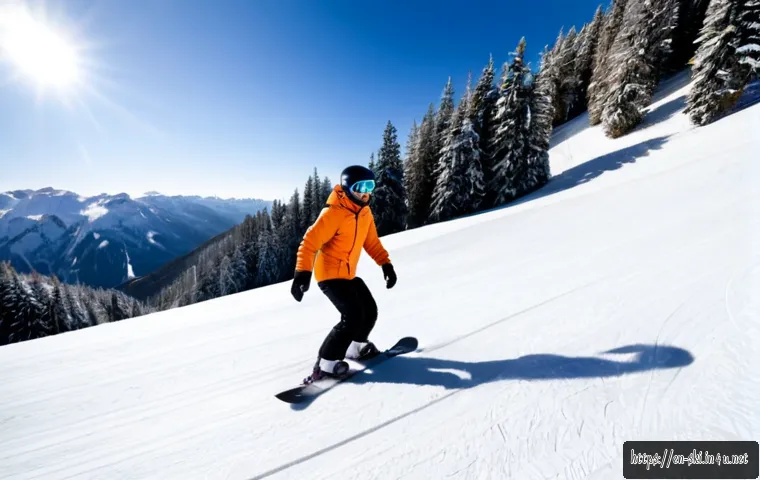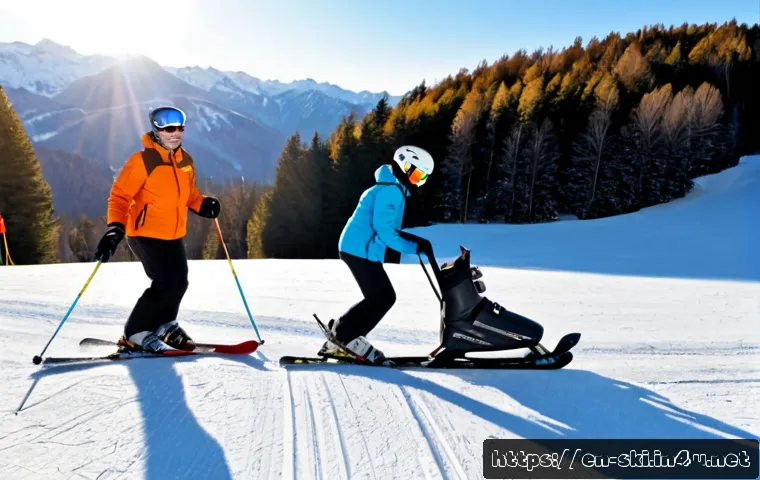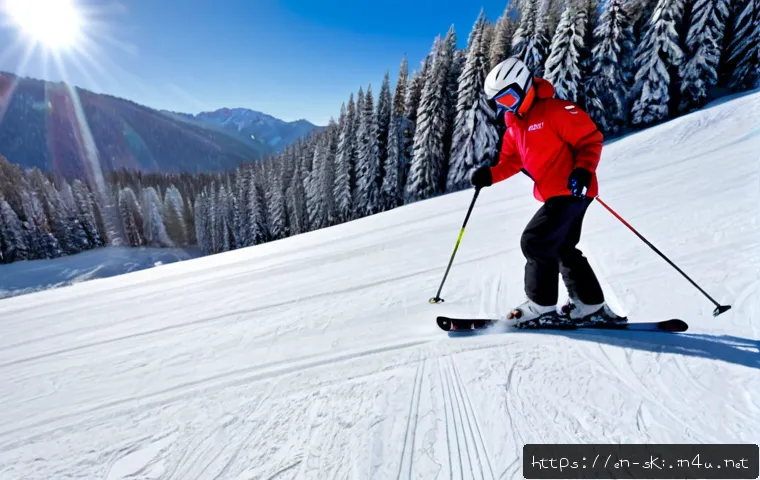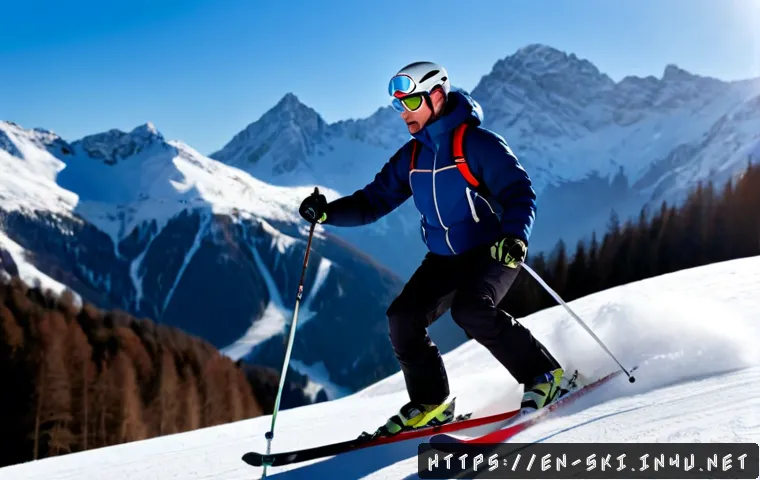
Compare ski regions by terrain, snow reliability, travel time, accommodation costs, lift-pass options, and group needs. Use this guide to plan a ski itinerary that fits beginners, families, mixed-ability groups, or advanced skiers.
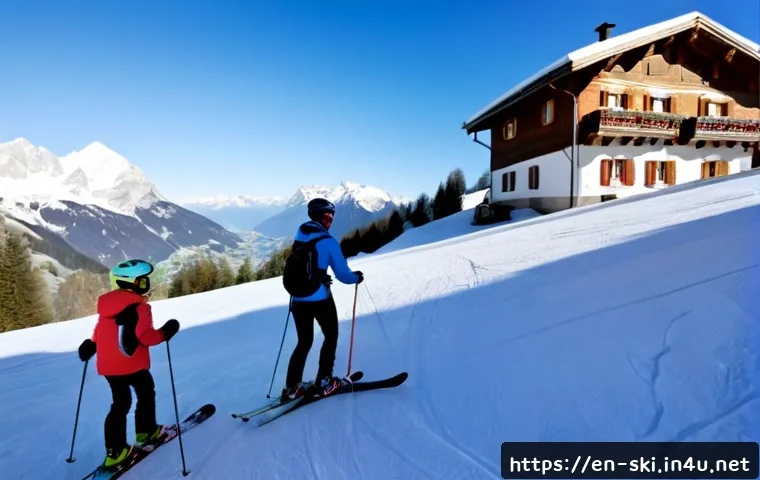
Choose a ski region by matching its terrain to the least confident skier in your group, then compare access time, lodging location, and the full trip cost.
A large ski area is not automatically the best choice if beginners need easy learning slopes or a short break leaves little usable ski time. For a weekend, prioritize a simple transfer and accommodation near the lifts.
For a longer holiday, lift-pass coverage, terrain variety, lessons, rental options, and rest days become more important. Compare total costs rather than focusing on flights or hotel rates alone.
Lift passes, equipment rental, ski lessons, transfers, meals, travel insurance, and local transport can all change the value of a ski vacation. The best booking choice is usually the one that makes skiing easier for the whole group, not the one with the most impressive trail map.
At a Glance
- Choose terrain based on the group’s lowest-confidence skier, especially for beginners and families.
- Compare lift-pass options, lodging location, transfers, rentals, and lessons as one total trip budget.
- For short trips, reduce transfer time; for longer trips, prioritize terrain variety and flexible plans.
| Resort Type | Terrain and Priorities | Typical Spending Categories | Travel Convenience | Best For |
|---|---|---|---|---|
| Beginner-focused resort | Learning areas, gentle green runs, ski schools | Lessons, equipment rental, beginner lift pass | Convenient lodging near learning slopes matters most | First-time skiers, families, cautious groups |
| Large connected ski region | Varied pistes, multiple sectors, broad lift access | Area-wide lift pass, transport between sectors, lodging | Allow time for arrival, orientation, and travel within the region | Intermediate skiers and longer stays |
| Advanced-focused mountain area | Steep terrain, lift capacity, changing snow conditions | Full-area pass, suitable rental gear, guided options where offered | Access to preferred terrain can matter more than village size | Experienced skiers with appropriate safety planning |
| Budget-oriented base | Enough suitable terrain without paying for unused access | Lodging, local transport, meals, rentals, selected pass type | Check whether lower room rates create long daily transfers | Travelers balancing cost and convenience |
Start With the Ski Trip You Actually Want
Choose between a weekend break, a week-long holiday, or a multi-resort itinerary
A short ski break works best when the journey from the airport or rail station is straightforward and the accommodation is close to the lifts. A long transfer can consume a meaningful part of a weekend that could otherwise be spent skiing. For a six- or seven-day holiday, a larger ski region may offer better variety, especially if your group wants to explore different terrain during the week.
A multi-resort itinerary can be appealing, but moving accommodation adds planning and transport work. Choose it only when visiting more than one mountain is a real priority, not simply because a regional trail map looks large.
Define the group’s lowest-confidence skier before choosing terrain
The most useful question is not “Who is the strongest skier?” It is “Who needs the easiest access to confidence-building terrain?” Beginners generally benefit from dedicated learning areas, gentle green runs, nearby ski schools, and simple lift access. If those basics are far from the hotel or separated from the rest of the mountain, the group may spend more time navigating than skiing.
Advanced skiers can usually find ways to stay busy in a broad resort network. A beginner who feels overwhelmed by the terrain mix may not have the same flexibility. Build the trip around the group’s practical needs, then look for higher-level options nearby.
Set a realistic total budget, not just a lodging budget
A low nightly room rate does not always create a low-cost ski vacation. Add lift passes, equipment rental, lessons, airport transfers or car hire, travel insurance, meals, local transport, and a contingency for changing plans. Accommodation costs may also rise during school holidays, weekends, and major winter events.
Before booking, separate costs into essential skiing costs and optional extras. A full-area lift pass may be worthwhile for an experienced skier exploring several sectors, while a beginner may need a different pass option. Compare what each traveler will actually use.
Compare Ski Regions by Terrain, Snow, Access, and Cost
Mountain size and terrain mix: beginner, intermediate, and expert priorities
Trail-map size is only one comparison point. Beginners should check where the learning slopes are, whether ski schools operate nearby, and how easily they can return to their accommodation. Intermediate skiers may value a connected network of comfortable pistes, reliable lift links, and enough variety to avoid repeating the same runs.
Advanced skiers may prioritize steeper terrain, lift capacity, permitted off-piste access, and current snow conditions. Off-piste suitability should never be assumed from a map or marketing description. Local safety rules, weather, avalanche information, and guided options must be checked for the specific dates.
Snow reliability, elevation, and the importance of flexible plans
Ski regions differ in elevation, snowfall patterns, terrain exposure, and operating season. These factors can influence the experience, but they do not guarantee piste conditions or lift openings on a particular day. Check the current snow report, forecast, and lift status close to departure.
Keep weather-dependent activities flexible. A sensible itinerary has alternatives such as a relaxed morning, a ski-school session, a different sector of the mountain, or time in the village if conditions change.
Airport transfers, rail access, car hire, and arrival-day trade-offs
Travel time affects more than comfort. On a short trip, a complicated transfer may reduce usable skiing time and increase fatigue before the first day. Compare direct transfers, rail connections, car hire requirements, luggage space for ski equipment, and the final route from the station or parking area to the accommodation.
If you stay outside the resort center, confirm how often local transport runs and whether it serves the lifts you expect to use. Cheap lodging can become inconvenient when each ski day begins with a long transfer.
Lift passes, accommodation location, and package value
Lift-pass pricing may vary by date, number of days, access area, and advance purchase terms. Compare the pass coverage with your actual itinerary. A regional pass can be useful when your group plans to ski across connected areas; it may be unnecessary if beginners will stay near one learning zone.
When comparing ski lodging packages, check what is included rather than assuming every bundle offers the same value. Look at pass coverage, accommodation location, equipment rental, lessons, transfers, and booking conditions. Check accommodation location against the lifts, ski school meeting point, rental shop, and grocery or dining options.
Build a Day-by-Day Ski Itinerary That Fits Your Group
A three-day plan for a short ski break
On arrival day, focus on checking in, collecting rental equipment if practical, and confirming the next morning’s lift, lesson, or transfer arrangements. Use the first full day to learn the mountain: beginners can stay near the learning area, while stronger skiers can identify meeting points and suitable routes.
Use the second day for your main skiing objective, whether that is a lesson, a wider circuit, or exploring another accessible sector. Keep the final day simple enough to allow equipment return and departure without rushing. For a short break, convenience is often worth more than maximum terrain size.
A six- or seven-day plan with lessons, rest time, and exploration
A longer trip gives beginners time to take several lessons and build confidence gradually. Intermediate skiers can explore a resort network over multiple days instead of trying to cover it immediately. Plan one lighter day or flexible afternoon for recovery, weather changes, or non-ski activities.
Schedule more ambitious terrain after the group has adjusted to the mountain and equipment. If guided skiing is available and appropriate for your ability, confirm the local requirements and weather-related terms before committing.
How mixed-ability groups can ski separately without losing the shared holiday experience
Agree on morning departure times, lunch areas, and a reliable end-of-day meeting point. Skiing separately for part of the day can make the holiday more enjoyable: beginners can stay with an instructor or on gentle terrain while advanced skiers use the wider lift network.

Shared dinners, a planned lunch, or one easy group run can keep the trip social without forcing everyone onto unsuitable slopes. Clear communication is especially helpful when lift access, weather, or visibility changes.
Avoid Expensive Booking Mistakes
Booking a large ski area when beginners need convenient learning slopes
A huge ski region can be poor value if beginners mainly need a compact base with a ski school and gentle terrain. Check whether the accommodation, rental shop, lessons, and beginner lifts are connected in a simple way. The right terrain layout can matter more than the number of pistes.
Choosing cheap lodging that creates costly or tiring daily transfers
Lower-priced lodging farther from the lifts may require local transport, parking, car hire, or extra time each morning. Compare the complete daily routine: getting dressed, collecting equipment, reaching the lift, returning after skiing, and arranging dinner or supplies.
Forgetting rental fittings, lessons, insurance, meals, and local transport
Include every expected category before comparing resorts. Review rental and lesson options early, particularly when beginners need instruction or when equipment fitting may take time. Read travel insurance terms carefully to understand what is covered for your trip and planned activities.
Treating weather-dependent activities as guaranteed
Snow, visibility, lift openings, and piste conditions can change. Do not treat a particular route, mountain sector, or off-piste plan as guaranteed. Use current local information and keep your itinerary adjustable.
Match the Region to Your Travel Style
Best priorities for first-time skiers and families
Prioritize a clear learning area, gentle runs, nearby ski schools, straightforward rental equipment, and lodging that reduces morning stress. Families may also benefit from a resort layout where different ability levels can meet easily without long traverses or complicated lift connections.
What intermediate skiers should look for in a resort network
Intermediate skiers often benefit from a wide selection of comfortable pistes, dependable lift links, and enough terrain to explore over several days. A connected region can add value if the group has enough time to use it. Compare lift-pass bundles with the areas you genuinely expect to ski.
Considerations for advanced skiers, guided terrain, and safety planning
Advanced travelers may focus on steep terrain, lift capacity, changing snow conditions, and access to permitted terrain beyond standard pistes. Check local rules and conditions before planning any off-piste activity. A guided option may be relevant in some areas, but ability, weather, safety requirements, and insurance coverage all need individual confirmation.
How to plan a lower-cost ski trip without sacrificing convenience
Start by avoiding features your group will not use. Select lift access that matches the itinerary, consider accommodation that reduces daily transport, and compare rental equipment and lesson options in advance. Traveling outside peak holiday periods may affect accommodation availability and cost, but current prices must always be checked for your dates.
Selection Criteria and Comparison Summary
Make the final choice using five checks: terrain fit for the least confident skier, transfer time for the length of the trip, lodging location relative to lifts and ski school, lift-pass value for the areas you will use, and total trip cost including rentals, lessons, insurance, meals, and local transport.
A bundled ski package can be easier to manage when it combines useful items such as accommodation, lift access, transfers, rental equipment, or lessons. It is not automatically cheaper, so compare the included services, access area, booking rules, and cancellation terms with separate bookings.
Before paying, compare lift-pass bundles, check accommodation location, and review rental and lesson options. Official booking pages are the right place to confirm current prices, availability, inclusions, and conditions.
In Closing
The right ski region is the one that fits how your group will actually ski. A convenient beginner-friendly base can be a stronger choice than a vast mountain area with difficult daily logistics. Plan around terrain, travel time, and total cost rather than promotional images alone. Leave room for changing weather and energy levels, especially on a first visit.
Useful Information to Know
1. Check current lift status and snow conditions close to departure.
2. Confirm where ski lessons begin and how long it takes to reach that meeting point.
3. Ask what lift-pass area is included before choosing a package.
4. Allow time for equipment fitting, particularly on the first day.
5. Review cancellation terms and travel insurance coverage before booking.
Important Points to Remember
Snowfall, piste conditions, weather, lift openings, and current prices cannot be assumed for a future travel date. Individual fitness, skiing ability, medical needs, local safety requirements, and insurance coverage also vary. Confirm all current operational details directly with the resort, accommodation provider, transport operator, rental shop, ski school, and insurer before making final decisions.
Frequently Asked Questions
Q1. How do I choose the best ski region for a group with beginners and advanced skiers?
A1. Start with beginner access: look for a dedicated learning area, gentle runs, ski schools, and lodging nearby. Then check whether advanced skiers can reach more challenging terrain without making the beginner experience difficult. Separate skiing during the day with planned meeting points is often the easiest solution.
Q2. What costs should I include when budgeting for a ski vacation besides flights and accommodation?
A2. Include lift passes, equipment rental, ski lessons, transfers or car hire, travel insurance, meals, local transport, and contingency spending. Compare current prices and package inclusions for your specific dates before booking.
Q3. Is it better to stay slopeside or choose cheaper accommodation farther from the lifts?
A3. It depends on the daily transfer trade-off. Slopeside or lift-adjacent lodging can save time and simplify lessons, rental collection, and family logistics. Cheaper accommodation farther away may work well if local transport is reliable and the total cost remains lower after transport, time, and convenience are considered.