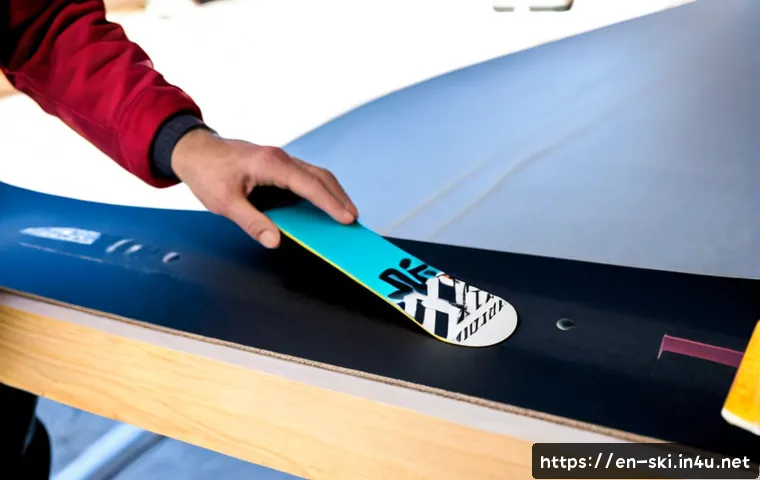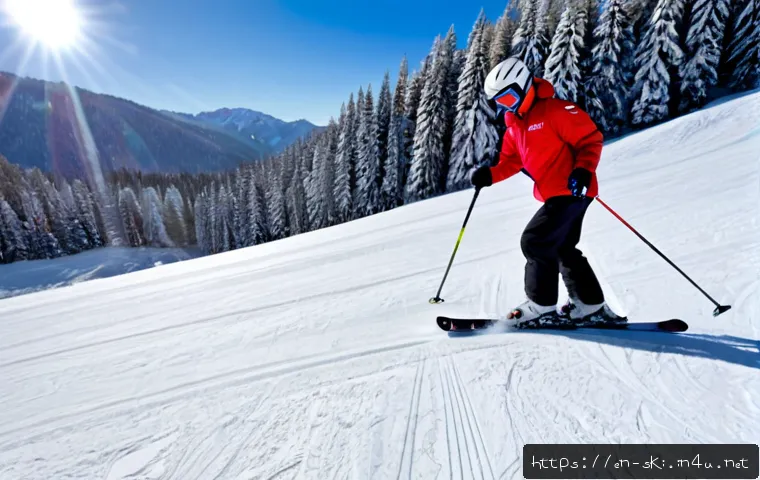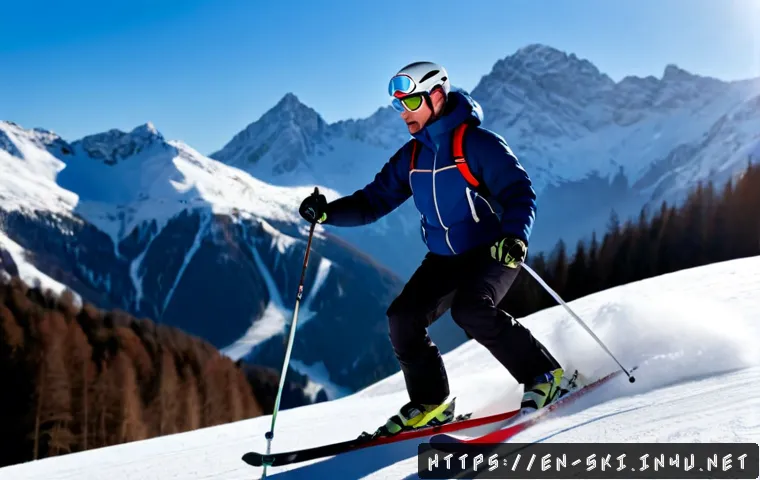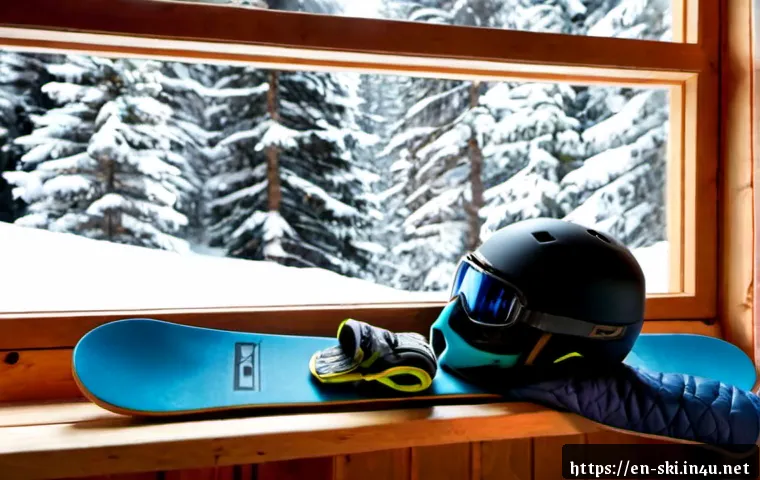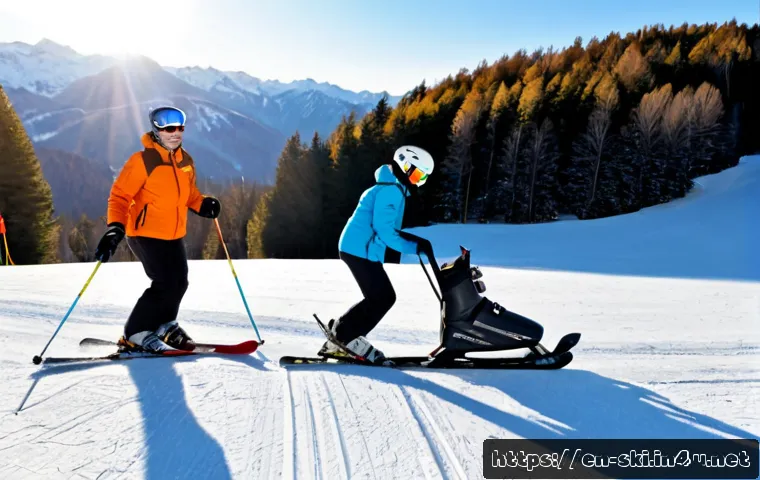
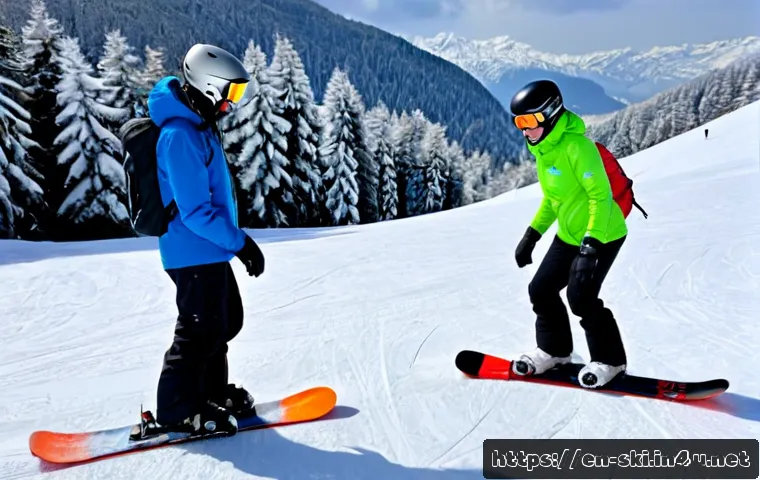
Choose skis if you prefer separate leg movement and a standing position that may feel more familiar on day one. Consider a snowboard if board sports appeal to you and you can accept that the first session may involve more falls and repeated practice getting up.
For either choice, a beginner lesson package can make the first day smoother by bringing instruction, equipment guidance, and beginner-area procedures into one plan.
A group lesson is often a practical starting point when you are comfortable learning alongside others. Private instruction can be worth considering if your time is limited, you want a personalized pace, or a group setting feels stressful.
Before booking, compare the lesson fee with rental equipment, helmet availability, and beginner lift access rather than assuming they are included.
At a Glance
- Skis may suit first-timers who want independent leg movement and poles for support.
- Snowboards may appeal to people drawn to board sports, but the first session can require more practice with balance and getting up.
- A beginner lesson package can reduce first-day confusion, but check whether rentals, helmets, and beginner terrain access are included.
| Decision Factor | Skis | Snowboard | What to Compare Before Booking |
|---|---|---|---|
| Basic setup | Two separate skis and poles | One board with both feet attached | Rental package contents and boot fitting process |
| First-day focus | Stopping, turning, and independent leg movement | Balance, edge control, stopping, and getting up | Whether the lesson is designed for complete beginners |
| Lesson format | Group or private instruction | Group or private instruction | Instructor attention, group size, lesson duration, and pace |
| Mountain access | Beginner terrain may require separate or included access | Beginner terrain may require separate or included access | Conveyor, beginner lift, and meeting procedures |
The Quick Answer: Start With the Sport That Matches Your First-Day Goals
The best first choice is not necessarily the sport someone else learned faster. Your comfort with balance, your interest in board sports, your available lesson time, and your confidence around falling all matter. Start with the option you are more willing to practice patiently, then choose a lesson and rental bundle that clearly supports true beginners.
Choose Skis if You Want Independent Leg Movement and a More Familiar Standing Position
Skis use two separate skis, and skiers typically use poles. That setup may feel more natural to a first-time visitor who prefers each leg to move independently. In an introductory ski lesson, you can expect attention on equipment use, controlled stopping, basic turns, safe speed management, and beginner lift or conveyor use.
Do not treat familiar-looking body position as a promise of a faster learning experience. Progress still depends on balance, confidence, fitness, instruction quality, and how well the beginner terrain matches the lesson.
Consider a Snowboard if Board Sports Appeal to You and You Can Allow Time for a Steeper First-Session Learning Curve
A snowboard uses one board with both feet attached. If you are attracted to the board-sport feel, that may be a good reason to start there. A first snowboard lesson commonly introduces equipment setup, basic balance, controlled stopping, directional changes, safe slope behavior, and how to use beginner-area facilities.
Be realistic about the first session. A beginner may spend time practicing balance and getting up after a fall. Choose snowboarding because it fits your interest, not because a friend says it is automatically easier or harder.
Why a Beginner Lesson Is Usually Safer Than Learning Entirely Alone
A basic lesson provides a structured place to learn essential actions before moving farther onto the slope. It also introduces slope-safety rules, speed control, and the procedures for beginner lifts or conveyors. These details can be easy to miss when trying to copy other visitors without instruction.
For a first visit, instruction can also reduce practical friction: where to meet, how equipment should fit, and which terrain is appropriate. Confirm the meeting location and arrival requirements before leaving for the mountain.
Ski vs. Snowboard: First-Lesson Comparison and Value Factors
Balance, Stopping, Turning, and Getting Up After a Fall
Both sports ask beginners to manage balance, stopping, and basic directional changes. The difference is in the equipment and body position: skis separate the feet, while a snowboard keeps both feet attached to one board. That difference affects what feels intuitive, but it does not determine an individual learner’s result.
When comparing ski lessons and snowboard lessons, look beyond the sport name. A useful lesson description should indicate that it covers beginner movement, controlled stopping, turning basics, lift or conveyor use, and shared-slope etiquette.
Typical Beginner Challenges for Each Sport
New skiers may need time to coordinate two skis, poles, and controlled turns. New snowboarders may need time to become comfortable standing with both feet attached and recovering after falls. Neither challenge is a reason to skip instruction or move to steeper terrain early.
Comfort matters more than comparison. If repeated falls or fatigue are affecting your focus, pause, rest, and stay within the lesson area rather than pushing for faster progress.
Equipment, Rental Bundle, and Beginner-Access Items to Compare
A ski rental package may include skis, boots, and poles. A snowboard rental package may include a board and boots. Helmet inclusion varies by resort or rental shop, so do not assume it is part of the advertised bundle. Helmets are widely recommended for beginners in both sports.
Also compare whether the booking is lesson-only or whether it includes rental equipment and beginner lift access. These are separate items at some locations. Checking them together makes a lesson package comparison more meaningful than looking only at the headline price.
What a Basic Lesson Usually Covers
Boot Fitting, Equipment Setup, and Clothing Checks
Your first lesson commonly begins with equipment use and setup. Pay attention to boot fit and ask for help if something feels wrong before you enter the learning area. Rental staff and lesson providers may have separate procedures, so leave enough time for both.
Dress for changing winter conditions with warm layers and waterproof gloves. Avoid overdressing to the point that you feel restricted or overheated once you begin moving.
Controlled Stopping, Directional Changes, and Safe Speed Management
Stopping and speed control should come before trying to cover more terrain. Basic turning and directional changes help you stay predictable in a shared beginner area. A good first-day goal is controlled practice, not a long list of runs.
Using Beginner Lifts, Conveyors, and Shared-Slope Etiquette
Beginner lessons commonly cover lift or conveyor use and slope-safety rules. These procedures differ by resort, so follow the local instructions rather than relying on a video or advice from another mountain. Ask where your group meets after breaks and how beginner terrain access works.
Avoidable First-Day Mistakes and Safety Priorities
Booking Terrain or Lift Access That Exceeds Your Ability Level

Do not assume every lift ticket or access option fits a complete beginner. Some resorts have specific beginner terrain arrangements, and lesson meeting procedures can vary. Book access that matches your lesson plan, then confirm exactly where you are allowed and expected to ski or ride.
Treating Helmets, Warm Layers, and Waterproof Gloves as Optional
Helmets are widely recommended for beginners. Warm layers and waterproof gloves also support comfort when you are standing, practicing, or resting in winter conditions. Check helmet rental availability in advance if you do not have one.
Trying to Progress Too Quickly After Repeated Falls or Fatigue
Falling and fatigue can affect attention and technique. If you are tired, cold, or frustrated, slow down rather than moving to more difficult terrain. A patient first day is more useful than forcing a result that does not match your current control.
Choose the Right Lesson Format for Your Time and Budget
When a Group Class Offers Enough Support
A group lesson can be a sensible option for a first-time visitor because instruction is generally available at a lower per-person cost than private coaching. It works well if you are comfortable learning with others and do not need every part of the session to move at your exact pace.
Before booking, ask about group size, lesson duration, and whether the class is specifically for complete beginners. Those details influence the level of individual attention.
When Private Instruction May Be Worth the Higher Price
A private lesson may suit someone with limited time, a strong preference for personalized pacing, or anxiety about learning in a group. The instructor can focus on your own starting point and questions rather than splitting attention across a class.
Private instruction is not automatically necessary for everyone. Its value depends on your needs, the available time, and the actual lesson terms. Compare what you receive rather than treating “private” as a guaranteed outcome.
How to Compare Lesson-Only, Rental-Inclusive, and Beginner Package Options
Start by separating the package into parts: lesson fee, equipment rental, helmet rental or availability, beginner lift access, and any optional protection plan. A package can be convenient, but convenience is only useful when the included items match your plan.
Read the booking details for each component. The advertised price may not answer whether equipment, beginner access, or other options are included.
Selection Criteria and Comparison Summary Before You Book
Use this short checklist before choosing a ski or snowboard lesson:
- Choose skis or a snowboard based on the setup you are most comfortable practicing.
- Confirm whether the listing is lesson-only or includes rentals, helmet options, and beginner terrain access.
- Check the lesson duration, group size, meeting point, and arrival requirements.
- Match the lesson format to your confidence: shared instruction for a lower per-person cost, or private pacing when it fits your needs.
- Review cancellation terms and the resort’s beginner-area procedures before finalizing the booking.
Compare what is included before booking, especially the rental bundle, helmet availability, and beginner lift or conveyor access.
Closing Thoughts
Your first ski or snowboard day does not need to begin with a perfect choice. Pick the sport that you genuinely want to try, book beginner-appropriate instruction, and keep your first goal simple: learn controlled movement safely. A clear package comparison helps prevent surprises at check-in. Staying on suitable terrain gives you room to learn at a steady pace.
Useful Things to Know
1. Ski rentals commonly include skis, boots, and poles, while snowboard rentals commonly include a board and boots.
2. Helmet availability and inclusion can vary by provider.
3. Beginner terrain access and lesson meeting procedures differ by resort.
4. A lesson can cover equipment use as well as movement and slope-safety basics.
Important Notes
Exact prices, lesson duration, instructor qualifications, group size, rental inclusions, lift access, insurance options, and cancellation terms vary by provider. There is no universal answer to which sport a particular person will learn faster. Review the current details on the specific resort, ski school, or rental shop page before booking.
Frequently Asked Questions
Q1. Is skiing or snowboarding easier for a complete beginner?
A1. It depends on the individual. Skiing may feel more familiar to people who prefer independent leg movement, while snowboarding may appeal to people who enjoy board sports. Balance, confidence, fitness, available practice time, and instruction quality all affect the experience.
Q2. How much should I budget for a beginner ski or snowboard lesson in the United States?
A2. There is no single reliable amount because lesson fees, rental packages, helmet rental, beginner lift access, and optional protection plans vary by resort and provider. Review each item in the booking flow instead of assuming the lesson price covers the entire first day.
Q3. Should I book a group lesson or a private instructor for my first day?
A3. A group lesson can be enough for many first-time visitors and generally has a lower per-person cost than private instruction. A private instructor may be worth considering if you have limited time, want personalized pacing, or feel anxious learning in a group. Check the group size, lesson duration, and included services before deciding.